As winter blankets your home with snow, keeping your chimney clear of ice and frost is critical. Snow-capped chimneys may appear attractive, but they can conceal major threats beneath their peaceful appearance. For example, there might be large cracks underneath that compromise the integrity of the chimney.
According to chimney contractors, there is also the risk of water damage to the chimney. To avoid water damage, remove any ice and snow from your chimney. The freeze-thaw cycle can cause cracks in the components that make up your chimney. These microscopic cracks allow water to enter, weakening the bricks and even causing damage to your roof and attic.
Regular maintenance prevents these problems by keeping moisture out and preserving the structural integrity of your home.
Being proactive can help you avoid costly repairs later on. Ice dams and thick layers of snow enhance the likelihood of water entering your chimney’s inner sections.
Quick action during a blizzard and preventative measures such as installing a sturdy chimney cover may protect your masonry from harsh winter conditions, keeping it dry and intact for a cozy, safe home atmosphere.
If you are looking for ways to keep your chimney free of snow and ice during winter, you are lucky as there are plenty of ways to do it, with the common ones being:
Regularly inspect the chimney
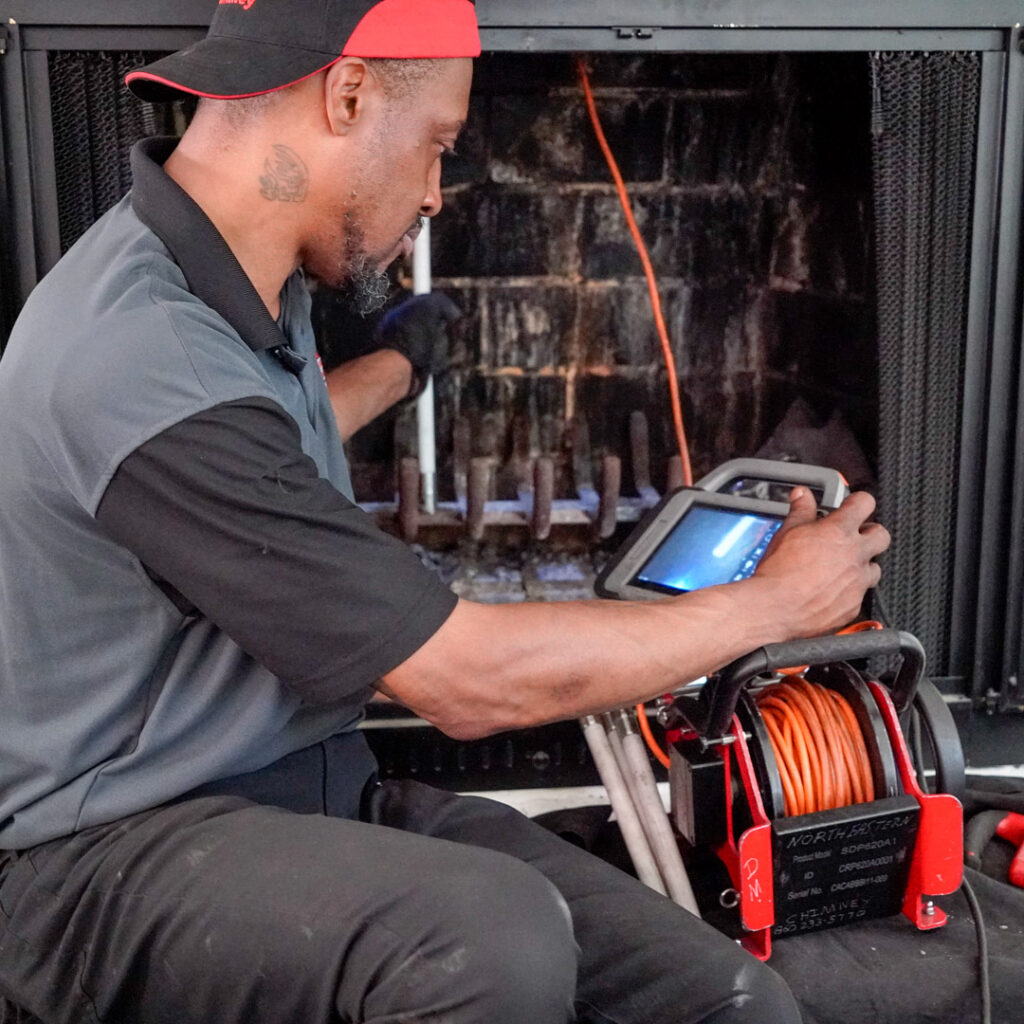
Make sure to have your chimney checked yearly by a qualified professional, preferably before it gets chilly outside. This way, you’ll know it’s fire-ready and safe.
When hiring a contractor, choose a chimney sweep who is CSIA certified since they are trained to detect all types of chimney problems.
They will inspect the interior and exterior for water damage caused by snow and rain. The examination will also look for flaws in the brickwork that could worsen with freezing temperatures.
During the inspections, the contractors must examine the strength of your chimney to ensure that it can withstand harsh weather conditions.
Don’t forget about the top of your chimney; it must be in good condition to prevent rain, snow, and mold from forming.
Keep an eye on the roof near your chimney; if there are any signs of damage, it could indicate leaks.
Consider using unique treatments to prevent water from entering bricks and causing damage when there is a lot of snow and ice.
If you have hairdryers or dehumidifiers near where you set fires, have someone inspect them to ensure they are safe.
Use chimney caps
Chimney caps protect your chimney from snow and ice buildup, helping to keep it in good shape throughout the winter. These protective toppers sit on your chimney, removing undesired moisture that could cause harm during freeze-and-thaw cycles.
When these caps are in place, they protect the structural integrity and limit the possibility of internal mold growth due to water infiltration.
Having your cap placed by a trained professional offers a crucial layer of protection to the brickwork and other external components of your rooftop chimney.
It is wise to keep wood-burning fireplaces within your house running safely while preventing obstacles that could interfere with adequate air flow—essential for any homeowner who wants to keep their living space safe and warm.
Remove any accumulated snow and ice.
As mentioned, snow and ice on your roof can seriously compromise the structure of your chimney. Keeping the area free is crucial for preventing water damage and ensuring the safe operation of wood-burning fires. The cool thing is that there are plenty of ways to go about it.
These ways include:
- Install a box fan in the attic near the chimney to keep the space cool. This can help re-freeze any melting ice, keeping the structure intact.
- Apply calcium chloride. Use this chemical, not rock salt, around your chimney. It helps form channels through which melted snow can drain without damaging the shingles.
- Use a roof rake with caution. Use the rake to clear heavy snow from your chimney. Be careful not to damage the roofing material in the process.
- Check for blockages frequently. After clearing the snow and ice, ensure that no debris is trapped in your chimney, which could restrict airflow.
- Inspect flashing regularly. Ensure that the metal strips that seal the gap between the chimney and the roof remain undamaged; these are critical barriers to moisture penetration.
- Consider heat cables. If icing is a recurring problem, running heat wires along the roofline near the chimney could be a long-term solution.
Waterproof the chimney
You can apply waterproofing compounds to your masonry chimney to help keep moisture from absorbing into the bricks. To ensure effectiveness, ensure that a qualified chimney professional applies the waterproofing material.
Professional chimney sweeps will only use waterproofing chemicals that allow the bricks to breathe while protecting them from water infiltration. So, ensure you work with professionals who know what they are doing.
Install a cricket
Melting snow and ice can cause a wet downpour against a chimney stack and you don’t want this. Installing a cricket can give the necessary protection.
Cricket is a ridge construction that diverts water away from the chimney.
Like waterproofing your home, you need to ensure that the cricket is installed by a professional who knows what they are doing.
Keep your chimney in top shape.
Professional maintenance goes beyond the fundamentals to shield your chimney from the damaging impacts of snow and ice. The porous nature of chimney masonry can allow water to sneak in, expand as it freezes, and cause substantial damage over time.
Work with chimney technicians with extensive knowledge of structures such as crowns and flashing to combat this. They conduct thorough examinations and take preventive actions like mortar restoration and brick waterproofing.
Work with a chimney sweep Ellicott City outfitted with specialized gear and training to maintain your roof in peak condition throughout winter. Regular professional inspections guarantee that every nook and cranny is checked for signs of wear or susceptibility to weather damage.
By investing in high-quality chimney servicing provided by experienced professionals, you protect not just your chimney but also the warmth and safety of your home against harsh temperatures and precipitation.
The post How to Make Sure Chimney Is Clear of Snow and Ice first appeared on First Class Chimney Services.
This post first appeared on https://www.firstclasschimneyservices.com
 What Is Creosote?
 Are There Any Benefits In The Production Of Creosote?