The Hidden Danger of Creosote Build-Up During the Burning Season
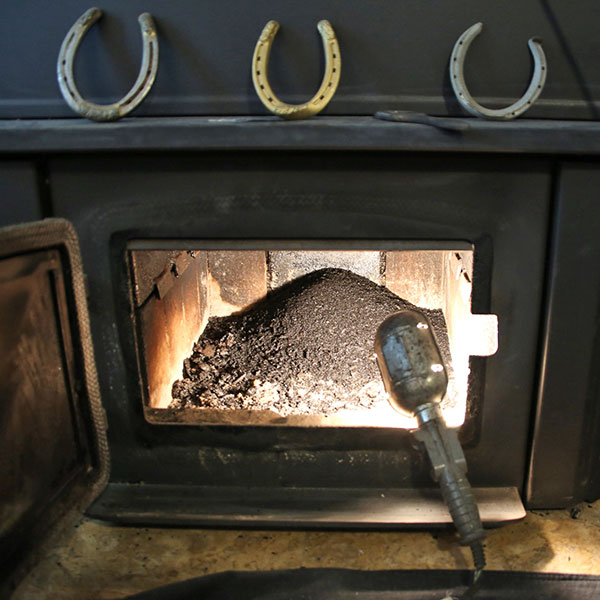
As we move into colder weather, families are starting to use their fireplaces and wood-burning stoves more often. With the added use of their fireplaces, the danger of creosote build-up becomes apparent. Creosote doesn’t just form soot; it forms crystals. When wood is burned in a fireplace, vapors form a hard, tar-like substance that clings to the flue walls. This creosote is highly flammable; even a small amount of accumulated creosote can ignite.
 How To Protect Your Chimney Flue From Creosote Build-up?
There is no absolute solution to keep creosote from collecting in your chimney. However, there are things that you can do to help slow the build-up. Here are a few tips.
- Burn only well-seasoned wood. When choosing wood, choose hardwoods such as hickory, maple, or oak. Do not burn trash in your fireplace or artificial logs, as they can create excessive soot and creosote.
- Ensure proper airflow. Keep your damper fully open when burning a fire and allow sufficient airflow. If your fireplace has glass doors, open them to allow adequate air intake.
- Warm the flue. Before you attempt to burn a fire, light a rolled-up piece of newspaper. Hold it near the damper to warm the flue. This will reverse the draft and prevent condensation. This condensation is a major contributor to creosote build-up.
Risks of Excessive Creosote.
- Chimney Fires. As mentioned, a minimal amount of creosote, about 1/8th inch, can easily ignite. Creosote burns extremely hot, posing a serious fire hazard.
- Carbon Monoxide Poisoning. Creosote can cause a blockage, leading to a carbon monoxide leak back into your living space.
- Smoke Damage. Billowing smoke can come into the home if there is a fire or a blockage in the chimney flue. Thick build-up narrows the opening, obstructing the natural flow of smoke. This may cause damage to upholstery, carpets, and decor.
- Costly Repairs. Structural chimney repairs can be expensive. If creosote build-up causes a fire, the damage can be severe.
- Poor heating efficiency. Fires burn less efficiently due to a build-up of creosote. A clean flue improves efficiency.
Prevention and Maintenance.
- What to expect with an inspection and chimney sweep?
- Identify any blockage – creosote, debris, leaves, animal remains.
- Remove creosote build-up.
- Structural issues, if any, will be identified, including loose masonry, cracks, damage to flue tiles, and damage to chimney caps or crowns.
- Give you a clean bill of health for your fire to burn safely.
- How often should I have my chimney inspected and swept?
- Professions such as Northeastern Chimney Inc. suggest that homeowners have an annual chimney sweep and inspection.
- When is the best time to schedule my inspection and sweep?
- If you haven’t had one in the past year, now is the best time to schedule one.
- Some prefer to have their chimney swept before the burning season.
- Others think that after the burning season, you are ready to pack away your chimney until next year.

Whichever time of year you decide is best, as long as you get one yearly.
Schedule your inspection or cleaning soon by calling Northeastern Chimney. We service all of Hartford, Tolland, and Litchfield Counties. All our chimney technicians are trained and qualified. We are active in the National Chimney Sweep Guild (NCSG).
The post The Hidden Danger of Creosote Build-Up During the Burning Season appeared first on .
This post first appeared on https://www.mychimney.com
