Month: February 2026

Spring is Right Around the Corner: Chimney Checklist

Many are still digging out from a major winter storm that swept across the country, and with temperatures still in the single digits in some places, it’s hard to think that spring will ever arrive. But fear not, it’s on the way!

When Mother Nature decides to warm things up, people focus on spring cleaning, yard work, and getting things ready for summer. However, one thing that fireplace owners often overlook is their chimney. Even if you won’t use the fireplace again until fall, spring is a great time to take care of chimney maintenance chores. Cold weather, moisture, and heavy use take a terrible toll on chimneys, and catching problems now can save you from expensive repairs later.

Here are the most important things you can do for your chimney this spring.

Annual Chimney sweep and inspection help prevent fires in South Windsor, CT.Schedule a Professional Chimney Inspection
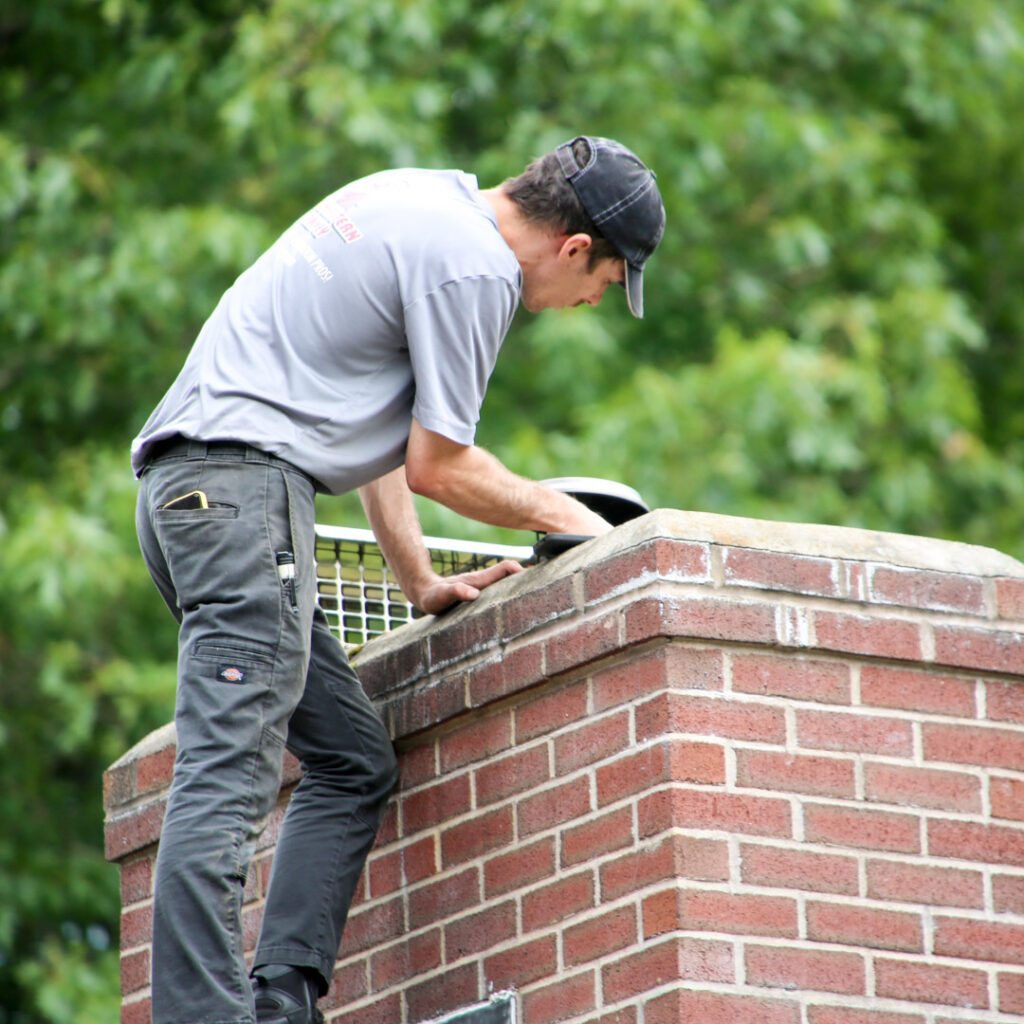
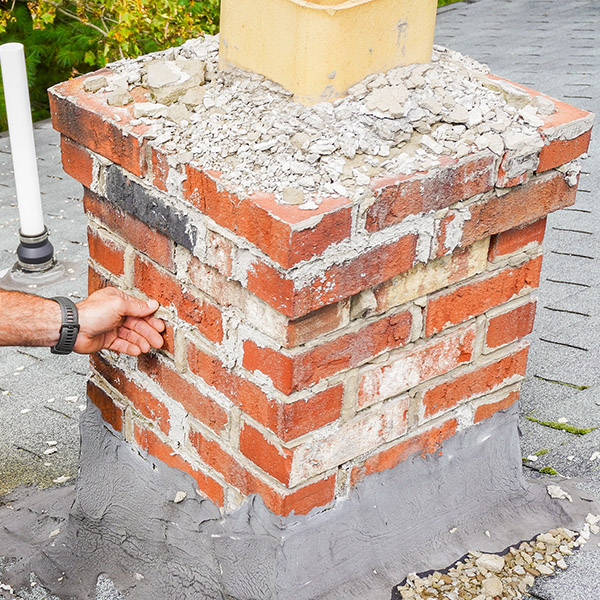
Warm weather is the best time to get your chimney inspected by a certified pro. During winter, chimneys are exposed to freezing temperatures, snow, ice, and repeated heating and cooling. All of those can cause cracks, loose bricks, deteriorated mortar, and hidden structural issues. Pros can identify cracked or spalling bricks, deteriorating mortar joints, flue liner damage, and issues with the crown or cap.

Detecting minor issues, such as small cracks or masonry damage, now makes it easier and cheaper to fix before they become major structural problems.

Get the Chimney Cleaned

As mentioned, many Americans experienced a brutally cold winter this year, and if you’re one of them, you’ve probably relied heavily on your fireplace or stove to keep the house warm. That means you likely have creosote or soot built up in the flue. Creosote is highly flammable and is one of the leading causes of chimney fires.

Spring cleaning removes creosote buildup, soot and ash, and animal nests or debris.

Cleaning in the spring also prevents soot and creosote odors from seeping into the house when the air becomes more humid. The last thing you want is for your home to smell like an ashtray when you’re spring cleaning!

Lastly, chimney services are less busy during spring, making it easier to get an appointment at your convenience.

Check for Water Damage

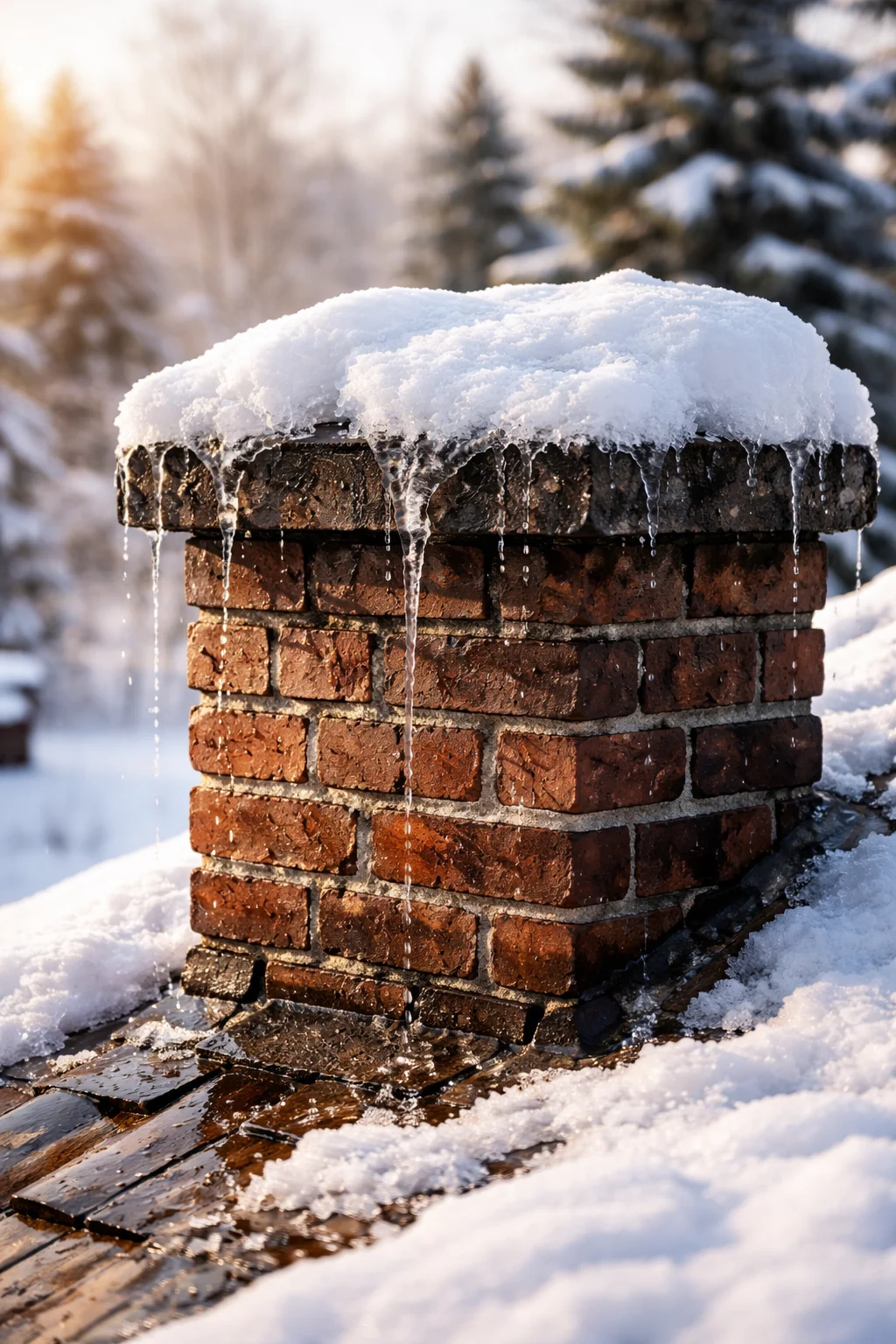
Water is a chimney’s biggest enemy. Snow and ice from winter can expose weaknesses that allow moisture to get into the masonry. In spring, you should look for signs of water damage, including white staining (efflorescence), rust on the damper, crumbling mortar, and damp musty odors from the fireplace.

If moisture gets into the chimney, it can accelerate deterioration, cause leaks, and damage nearby walls or ceilings.

Inspect the Crown

The crown sits atop the chimney and prevents water from entering. Crowns can crack over time due to freeze-thaw cycles. Spring is the perfect time to look for hairline or visible cracks, chunks of missing concrete, or an improper slope that allows water to pool instead of directing it away.

Make Sure the Cap is Intact

Chimney caps are important year-round. They keep rain, animals, debris, and downdrafts out of your chimney. Winter storms can loosen or damage chimney caps, so spring is a good time to make sure yours is still secure.

If you don’t have a cap, now’s the time to install one. They’re cost-effective and can save you from headaches like dealing with animals getting into the flue or your house.

Reline and restore your chimney with durable HeatShield protection in Bloomfield, CTAddress Masonry Repairs

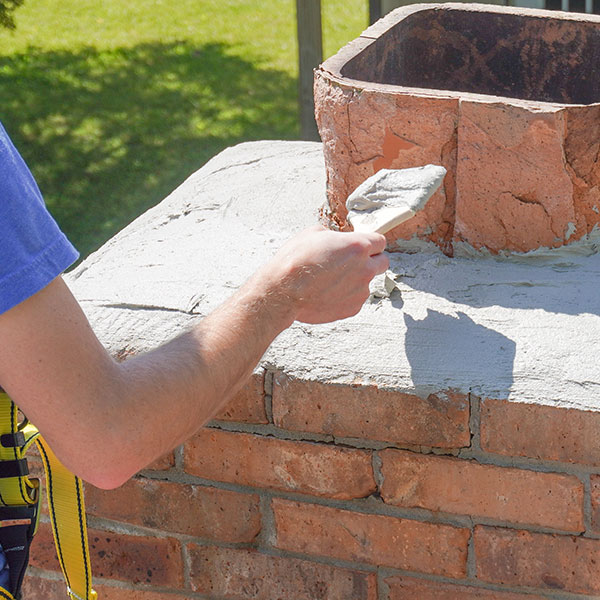
Spring is ideal weather for masonry repairs. Mortar and masonry materials cure better in moderate temperatures, making this the best time to handle tasks such as tuckpointing, brick replacement, crown repairs, and applying a waterproofing sealant.

Waiting until fall can mean rushing to get repairs done before winter or discovering severe damage when it’s already too late.

Let Northeastern Chimney Help With Your Chimney Spring Cleaning!

Northeastern Chimney is the most trusted chimney and fireplace service company in the Central CT area. We’re licensed and insured, and have over three decades of experience. Call us today!

The post Spring is Right Around the Corner: Chimney Checklist appeared first on .

This post first appeared on https://www.mychimney.com

Historic Atlanta Homes: Preserving 100-Year-Old Fireplaces and Chimneys

Atlanta’s charm is deeply rooted in its stunning historic homes, each whispering stories of an era of yesteryear. From the elegant Victorians of Inman Park to the stately Tudors of Druid Hills, these residences offer a unique blend of architectural grandeur and timeless appeal. Yet, with age comes the need for specialized care, particularly for the intricate and often forgotten heart of these homes: their fireplaces and chimneys.

Preserving a 100-year-old fireplace and chimney in a historic Atlanta home isn’t merely about maintenance; it’s an art form that requires a deep understanding of historic construction, materials, and the unique challenges posed by time. It’s about safeguarding a piece of Atlanta’s heritage, ensuring these cherished elements continue to function safely and beautifully for generations to come. 

This is where the expertise of chimney companies like Southern Chimneys becomes important. With a commitment to preserving the past while employing modern, safe practices, they are at the forefront of Atlanta historic chimney restoration.

Preserve Your Chimney Today

The Unique Challenges of Historic Atlanta Chimneys

Unlike newer constructions, historic chimneys in Atlanta homes were built using methods and materials that predate modern codes and often require a specialized approach to repair and restoration.

Material Deterioration

Many century-old chimneys are constructed from porous bricks and lime mortar, which, over time, can succumb to the elements. Rain, wind, and changing temperatures can cause mortar to erode and bricks to spall (flake or peel), compromising the structural integrity of the chimney. This deterioration is particularly common in areas exposed to the elements, such as the chimney crown and the exterior brickwork.

Flue Liner Issues

Perhaps one of the most critical challenges in historic chimney restoration is the condition of the flue liner. Older chimneys often lack a modern, continuous flue liner, or they may have clay tile liners that have cracked or deteriorated. A damaged or absent flue liner poses serious safety risks, including carbon monoxide leaks into the home and increased fire hazards as hot gases and embers can escape into combustible areas within the house structure. Addressing these issues is paramount for the safety of the occupants and the home itself.

Structural Instability

Settling foundations, shifting ground, or even prolonged neglect can lead to structural issues in historic chimneys, such as leaning, bowing, or cracks that extend beyond superficial damage. These problems require careful assessment and often extensive rebuilding to restore stability and prevent collapse. The weight of a chimney, especially a tall one, makes any structural compromise a significant concern.

Why Specialized Expertise Matters for Historic Chimney Restoration Atlanta

Attempting DIY repairs or hiring a general contractor for historic chimney work can often lead to further damage or unsafe conditions. The intricate nature of these structures demands the touch of specialists who understand the nuances of Atlanta historic home chimney repair.

Knowledge of Historic Materials and Techniques

Experts in Atlanta historic chimney restoration possess a deep knowledge of the materials and construction techniques used a century ago. They can identify original mortar types, brick compositions, and even the subtle signs of past repairs, allowing them to match materials and methods as closely as possible to maintain historical accuracy and structural integrity.

Adherence to Historic Preservation Standards

For many homes with chimneys, especially those in designated historic districts, any exterior modifications must adhere to strict preservation guidelines. Specialists are familiar with these regulations and can navigate the permit process, ensuring that all work meets the required standards without compromising the home’s historical designation.

Restoration Techniques & Maintenance

Understanding the specific needs of an aged structure is half the battle. Below is a breakdown of the common solutions provided by professionals like Southern Chimneys to keep these systems operational.

Technique Description Importance for Historic Chimneys
Flue Relining Installing a new, stainless steel liner within the existing masonry or lining the chimney with a product classed Heathshield Resurface. Essential for safety; prevents carbon monoxide leaks and fire hazards.
Tuckpointing Removing deteriorated mortar and replacing it with fresh, color-matched lime mortar. Restores structural integrity and prevents water penetration.
Crown Repair Rebuilding the top slab that covers the masonry to divert water away. Protects the chimney from its #1 enemy: water damage.
Brick Matching Sourcing salvaged or custom-made bricks to mirror the originals. Preserves architectural authenticity and prevents structural mismatch.
Waterproofing Applying breathable sealants to the exterior masonry. Prevents freeze-thaw damage while allowing internal moisture to escape.

Preserve Your Chimney Today

Historic Home Chimneys FAQs

1. Can a 100-Year-Old Chimney Ever Be Made Safe for Real Wood Fires?

Yes, in most cases, a historic chimney can be restored to full functionality. This usually requires a professional inspection to identify structural gaps and the installation of a high-quality stainless steel or using Heatshield Resurfacing to ensure smoke and heat are safely contained.

2. What Is the Difference Between a Chimney “Repair” and a “Restoration”?

A repair usually addresses a specific, localized issue, like a leaky flashing or a cracked cap. A restoration is more comprehensive; it involves returning the chimney to its original architectural state using period-correct materials while upgrading the internal safety components to modern standards.

3. My Historic Chimney Is Leaning; Do I Have to Tear It Down?

Not necessarily, but it requires immediate attention. A leaning chimney is often caused by foundation settling or water-damaged mortar. If a chimney is leaning, a skilled chimney specialist will determine where the problem originates to diagnose the cause. From there either a rebuild from roofline and up is needed or a complete chimney rebuild for the safety of the home. 

The Long-Term Benefits of Historic Home Chimney Restoration

Investing in professional restoration for your historic home’s chimney goes far beyond immediate repairs. The benefits ripple through the entire home, enhancing safety, value, and aesthetic appeal.

  • Enhanced Safety: A sound flue liner ensures that hazardous byproducts are safely vented, protecting your family from carbon monoxide.
  • Increased Home Value: Historic homes command a premium, and their value is tied to their original features. A fully functional, historically accurate fireplace is a major selling point.
  • Energy Efficiency: Properly sealed flues and smoke chambers prevent drafts, helping to regulate indoor temperatures and potentially reduce energy bills.

Preserve Your Chimney Today

The Bottom Line: Historic Homes and Chimney Preservation

The fireplaces and chimneys of Atlanta’s historic homes are more than mere architectural details; they are storytellers and essential components of a bygone era. Preserving these century-old structures requires a specialized approach—one that blends reverence for history with modern safety standards.

For homeowners dedicated to safeguarding their property, partnering with experienced professionals like Southern Chimneys for historic chimney restoration is an investment in the home’s legacy. By tending to these vital elements, we ensure that the warmth and grandeur of the past continue to grace our present.

Contact us today to begin your preservation journey for your home’s chimney. We look forward to working with you!

This post first appeared on https://southernchimneys.com

(877) 959-3534