Month: March 2026

Chimney Inspections for Real Estate Transactions

Buying or selling a home involves many inspections, but one that is often overlooked is the chimney inspection. Whether the home has a wood-burning fireplace, gas appliance, or heating system that vents through the chimney, it’s important to verify that the chimney is adequate and functioning properly.

A chimney inspection for a real estate transaction provides buyers, sellers, and agents with a clear understanding of the chimney’s condition before closing. Identifying problems early can prevent delays in the sale and avoid costly surprises after the purchase.

Why Chimney Inspections Matter During a Home Sale

Chimneys are exposed to years of weather, heat, and moisture. Even if a fireplace appears to be in good shape, hidden damage inside the flue or masonry can create safety hazards.

home for sale

A professional chimney inspection during a real estate transaction helps identify:

  • Structural issues in the chimney masonry
  • Cracked or deteriorating flue liners
  • Blockages or creosote buildup
  • Drafting problems
  • Moisture damage
  • Safety hazards such as carbon monoxide risks

For buyers, this inspection offers peace of mind. For sellers, it provides documentation that the chimney system has been professionally evaluated.

What Type of Chimney Inspection Is Needed?

In most real estate transactions, a Level 2 chimney inspection is recommended.

This type of inspection is more thorough than a standard annual visual inspection and is specifically designed for situations where ownership is changing.

A Level 2 inspection typically includes:

  • A visual inspection of accessible chimney components
  • Examination of the firebox, damper, and smoke chamber
  • Inspection of the chimney exterior and masonry
  • A video camera scan of the flue interior

The camera scan allows technicians to identify cracks, liner damage, or blockages that cannot be seen during a basic inspection.

When Chimney Inspections Are Required

Chimney inspections are commonly requested when:

  • A home is being bought or sold
  • A fireplace has not been used in several years
  • A new heating appliance is being installed
  • A change in fuel type is planned (such as wood to gas)
  • The home inspection raises concerns about the chimney

Many home inspectors recommend a specialized chimney inspection if they notice signs of deterioration, improper installation, or potential safety issues.

Common Problems Found During Real Estate Chimney Inspections

Chimneys can develop problems over time, especially in older homes common throughout Massachusetts and New England.

Some of the most frequent issues discovered during inspections include:

  • Cracked clay flue liners
  • Deteriorating mortar joints
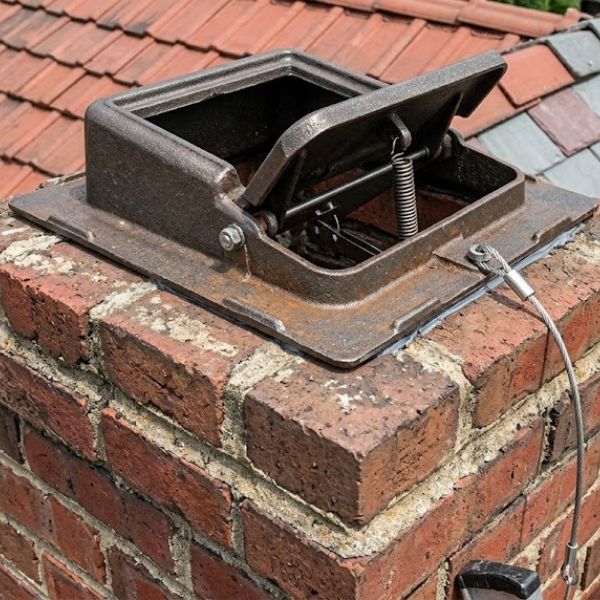
  • Missing or damaged chimney caps
  • Creosote buildup from past fireplace use
  • Water intrusion or chimney leaks
  • Improperly sized liners for heating appliances

While some of these issues are minor, others may require repair before the fireplace or chimney can be safely used.

new england home with chimney

How Chimney Findings Can Affect a Home Sale

If chimney problems are identified during the inspection, buyers and sellers typically work together to decide how repairs will be handled.

Possible outcomes include:

  • The seller completes the recommended repairs before closing
  • The buyer receives a credit toward future chimney work
  • The purchase agreement is adjusted based on repair estimates

Having a professional chimney report helps ensure everyone involved understands the condition of the system.

Why a Specialized Chimney Inspection Is Important

While a general home inspection covers many aspects of a property, chimneys require specialized knowledge and tools.

A dedicated chimney inspection provides:

  • Detailed evaluation of the flue interior
  • Proper identification of liner damage
  • Assessment of masonry condition
  • Recommendations for safe fireplace operation

This level of detail helps prevent overlooked issues that could lead to safety concerns after moving into the home.

Schedule a Chimney Inspection with Best Chimney

If you’re buying or selling a home in the Greater Boston area, a professional chimney inspection is an important step in the process.

At Best Chimney, our experienced technicians perform thorough chimney evaluations, including camera inspections of the flue interior. We provide clear reports that help homeowners, buyers, and real estate professionals understand the condition of the chimney system.

Our team works with homeowners, real estate agents, and property managers throughout the region to ensure chimney systems are safe, compliant, and ready for use.

Call Best Chimney at 781-893-6611 to schedule a chimney inspection for your real estate transaction. Identifying issues early can help keep your closing on track and ensure the fireplace and chimney are ready for the next homeowner.

The post Chimney Inspections for Real Estate Transactions appeared first on Boston's Best Chimney.

Tuckpointing vs repointing explained simply

If you’ve been researching chimney repairs, you’ve probably come across the terms tuckpointing and repointing. They’re often used interchangeably, which can make it difficult for homeowners to understand what their chimney actually needs.

While both repairs involve restoring the mortar between bricks, they serve slightly different purposes. Understanding the difference can help you better evaluate chimney repair recommendations and protect your masonry before small issues turn into major damage.

Here’s a simple breakdown of tuckpointing vs repointing and when each method is used.

Why Mortar Joints Matter in Chimneys

The mortar between your chimney bricks does more than hold the structure together. It also helps keep moisture out and protects the masonry from weather damage.

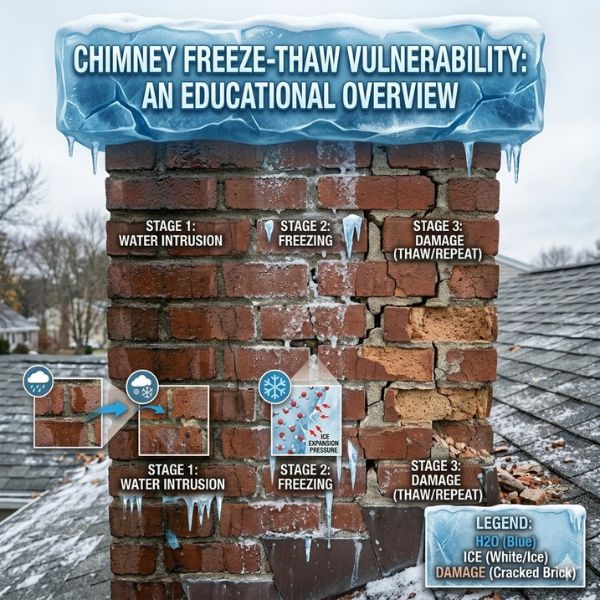
Over time, exposure to rain, snow, and New England’s freeze-thaw cycles causes mortar to break down. When mortar joints deteriorate, water can begin to enter the chimney structure. This can lead to:

  • Cracked or loose bricks
  • Interior leaks
  • Chimney instability
  • Expensive structural repairs

That’s why maintaining mortar joints is an important part of chimney maintenance.

mortar repair on chimney

What Is Repointing?

Repointing is the process of removing damaged or deteriorated mortar from between bricks and replacing it with new mortar.

During a repointing repair, a technician will:

  1. Carefully remove the failing mortar from the joints
  2. Clean the exposed areas
  3. Apply fresh mortar to restore the bond between bricks

The primary goal of repointing is structural repair. It strengthens the chimney and seals joints against moisture.

Repointing is typically recommended when mortar joints are:

  • Crumbling or falling out
  • Cracked or recessed
  • Allowing water penetration
  • Showing signs of age and deterioration

If caught early, repointing can extend the life of your chimney by decades.

What Is Tuckpointing?

Tuckpointing is a more detailed masonry technique used to improve both the appearance and durability of brickwork.

In tuckpointing, damaged mortar is removed and replaced with new mortar that closely matches the original color of the bricks. A thin line of contrasting mortar is then added to create the illusion of perfectly straight joints.

This technique was historically used in decorative brickwork but is now commonly used to restore older chimneys and masonry.

Tuckpointing helps:

  • Restore the visual appearance of brickwork
  • Improve weather resistance
  • Strengthen mortar joints
  • Extend chimney lifespan

While it enhances appearance, tuckpointing still provides the same protective benefits as repointing.

Tuckpointing vs Repointing: The Key Difference

The main difference between tuckpointing and repointing is the purpose of the repair.

Repointing focuses on restoring the structure and sealing damaged mortar joints.

Tuckpointing focuses on both structural repair and improving the appearance of the masonry.

In many chimney repair projects, the process used is technically repointing, even if the term tuckpointing is used casually.

chimney in need of repointing

Signs Your Chimney May Need Mortar Repair

Homeowners often notice chimney mortar problems long before they realize what the repair is called.

Common warning signs include:

  • Crumbling mortar between bricks
  • Small gaps forming in joints
  • Loose or shifting bricks
  • White staining (efflorescence)
  • Water leaks around the chimney
  • Pieces of mortar falling to the roof or ground

Because chimneys are constantly exposed to weather, mortar deterioration tends to accelerate once it begins.

Why Masonry Repairs Shouldn’t Be Delayed

Damaged mortar joints allow water to enter the chimney structure. Once moisture gets inside, freeze-thaw cycles can quickly worsen the damage.

Left untreated, failing mortar can lead to:

  • Brick spalling
  • Chimney leaning or instability
  • Interior water damage
  • Expensive rebuilds

Addressing mortar problems early with repointing is usually far more affordable than waiting for major masonry repairs.

Professional Chimney Masonry Repair from Best Chimney

At Best Chimney, our technicians evaluate chimney masonry carefully to determine whether pointing or other repairs are needed. We match mortar materials and techniques to your chimney’s structure so repairs blend naturally with existing brickwork.

Our team provides complete chimney services throughout the Greater Boston area, including:

If you’ve noticed crumbling mortar or visible chimney wear, it’s best to have it evaluated before winter weather causes additional damage.

Call Best Chimney at 781-893-6611 to schedule a chimney inspection or masonry evaluation. Catching mortar problems early can help preserve your chimney’s structure and prevent costly repairs down the road.

The post Tuckpointing vs repointing explained simply appeared first on Boston's Best Chimney.

Chimney Cleaning for Gas and Woodburning Fireplaces

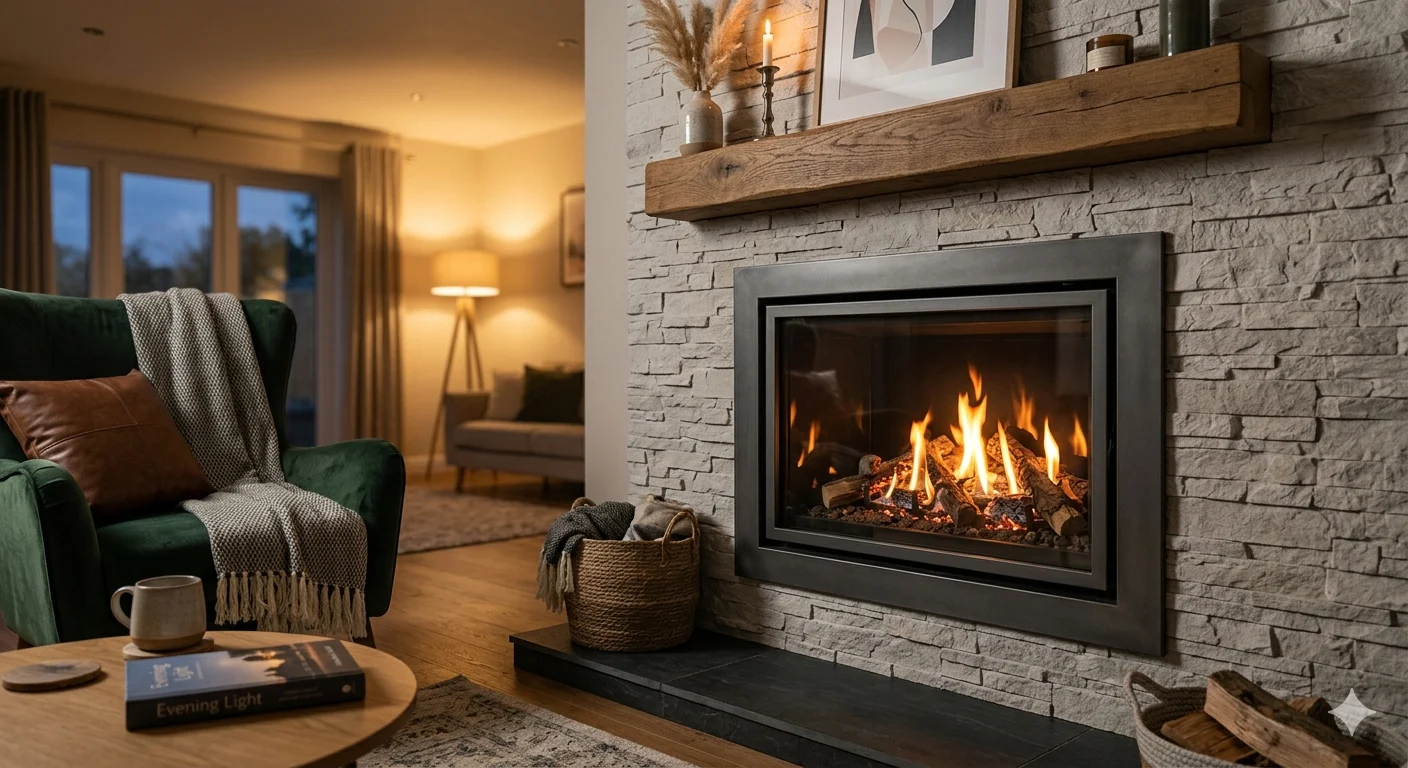
It’s that time of year again when cleaning the fireplace and chimney is essential to the safety of your home. Whether it be gas, woodburning or simply you don’t use the fireplace, it’s always best to get the fireplace and chimney looked at. What are some of the reasons for chimney cleaning for gas and woodburning fireplaces? Let’s get into it.

Checking the Integrity of the Chimney, Chimney Flue and Fireplace

When a Superior Chimney certified technician checks your chimney system, there are three areas that are inspected: the chimney which out outside, the chimney flue which connects the outside chimney to the fireplace and the fireplace itself. The areas that need special attention is the chimney flue, as it is the space that is difficult to each. That’s where our special tools come in.

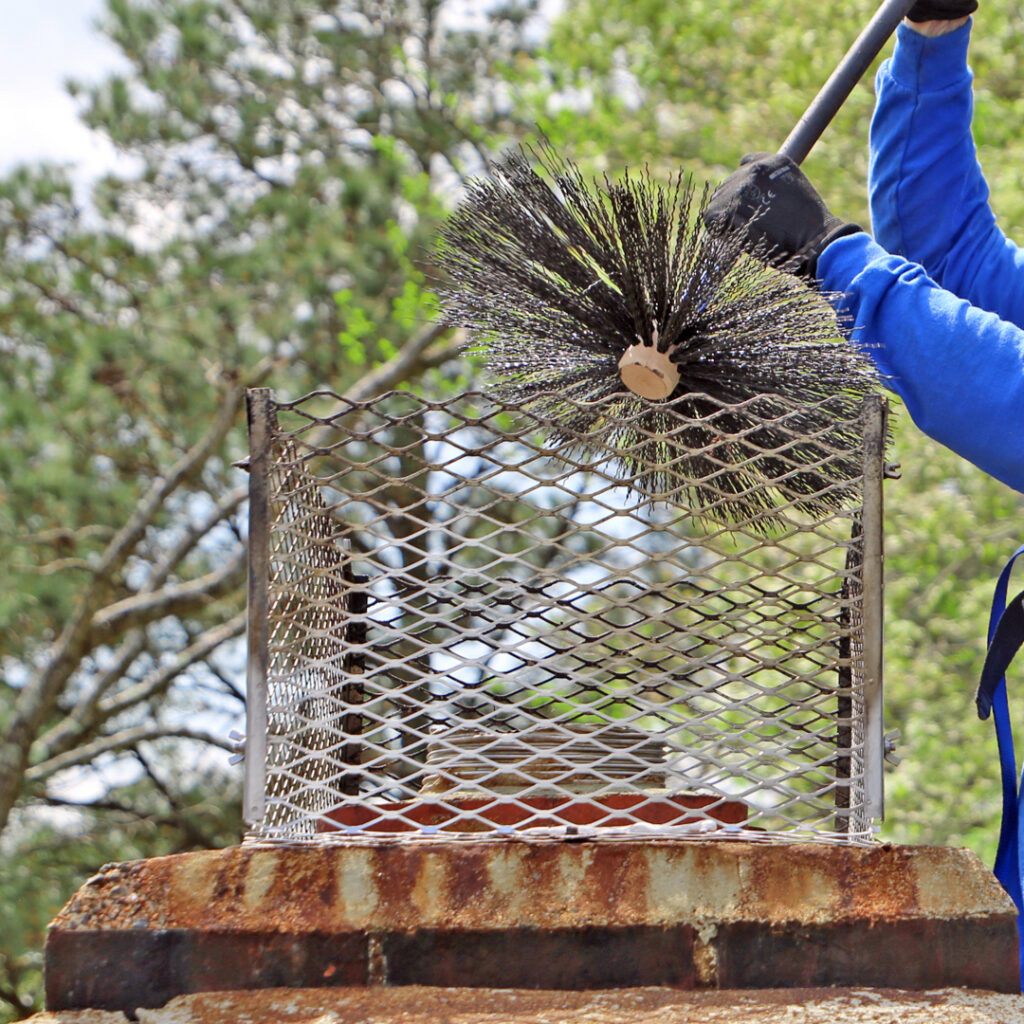
The technician will use special rods and brushes that are specifically sized for chimney flues in order to remove creosote, dust, debris and anything else that may have settled in the chimney flue. The build up of dust and debris occurs whether you use the fireplace or not, or if you have a gas or woodburning fireplace.

What else may happen? Bits and pieces of the chimney tiles may come loose and fall off. If this happens, we’ll work to reline the chimney with a stainless steel chimney liner to protect the walls and the integrity of the chimney interior.

Chimney Liner

A chimney liner is a fitted stainless steel piece of metal that guides the smoke up and out of the chimney. If you do not use the fireplace, the liner serves yet as a protectant to direct unwanted partials to go up and out of the home. Remember, just because you don’t use the fireplace, that doesn’t mean the next home owner will keep it turned off. A chimney liner is part of selling your home as it meets code requirements. One less thing to think about.

Fireplace Cleaning

The messiest of the cleaning for gas and woodburning fireplaces is the creosote found in woodburning fireplaces. This is the build up of the byproduct or soot from burning wood. As it burns, it sticks to the sides of the chimney flue. One of the most important reasons for it to be removed, is the flammability of the creosote material. It is vital to remove it for the safety of the home. Let’s not forget the dust and debris that also naturally gathers in the fireplace. This can include little critters, leaves and twigs that are also quite flammable. Even if you don’t use your fireplace, removing these flammable items are important to the health of your home.

Chimney’s Other Uses

Chimneys do more than vent your fireplace. Many household appliances, including your furnace, use the chimney flue to safely direct gases out of your home. Some of these gases can be harmful to you and your family. When your home is closed up and windows are shut, those gases have nowhere else to escape. The chimney helps keep your home clear of both noticeable and odorless gases, allowing them to vent safely outside.

Contact Us! Chimney Cleaning for Gas and Woodburning Fireplaces is an important part of caring for your home. Contact us today to have your chimney cleaned and inspected. If there’s any issues, you’ll receive pictures and an explanation so you can decide for yourself what is best for you and your home. Contact us today at 877-244-6349.

This post first appeared on https://www.superiorchimney.net

Spring Expansion and Contraction Cracks Chimney Masonry

 We’ve had enough of Winter.  Are you ready for some Spring temperatures? Spring is the wake- up call to nature. The grass begins to show hints of green, daffodils growth peek from the ground and chimneys show their cracks. All of these things will begin to happen regardless if the days are warmer and the nights are ice cold. Chimneys are unlike nature, it reacts to the temperature swings with expansion and contraction of the chimney masonry materials. How does it work and what can be done about it? Let’s take a closer look.

Spring Expansion and Contraction Cracks Chimney Masonry

Chimney masonry is a porous material that gets affected by the warmth of temperatures, which causes the material to expand, and when night time comes and temperatures cool or get cold, the material contracts. This accordion like movement weakens the chimney masonry material and forms small, hairline cracks to much larger ones allowing for weather elements like snow and rain to enter the chimney system.

As the elements settle into the cracks, combined with the expansion and contraction, it erodes and breaks the materials causing issues with the integrity of the chimney. Not only does it let in water, ice and snow, it also can create damage to the inside of your home in the form of water leaks.

Early Detection and Correction

Now that it is Spring, this is the perfect time to schedule your chimney inspection. Now that we know how weather elements cracks chimney masonry, what can be done about fixing the issue.

Start by getting a chimney inspection. A certified chimney technician will visit your home to clean and check the fireplace, chimney flue, and the exterior chimney. There are numerous areas in each of the three sections that the technician inspects, but let’s focus on the exterior chimney in this article.

Superior Chimney has a team of chimney masonry professionals that specialize in repairing chimney masonry.

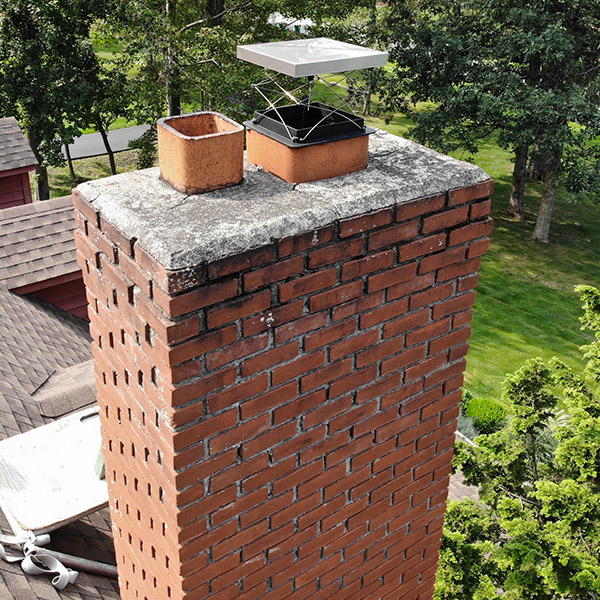
1. Chimney Crown: The chimney crown is the concrete slab that covers and overlaps the brick, stone or siding of the chimney. The job of the chimney crown is the direct water, snow and debris away from the chimney. Its next job is to ensure that any water refrains from leaking into the chimney. If a hairline crack or larger forms on or in the chimney crown, these become entry points. When water enters these cracks, it begins to break down the materials allowing more water to enter. The cumulation can begin to enter your home and create damage and stains on your walls.

2. Tuckpointing: Tuckpointing is the process of repairing the filler in between brick or stone to block the elements from entry. It may sound like an easy task, but the process is a form of artwork in order for it to protect properly and look in unison with the rest of the chimney and home.

    Issues can occur within the materials, including spalling, missing chunks, and cracks. In some cases, the material may separate or pull away from the brick, stone, or concrete surfaces. To avoid this from happening, a chimney inspection will identify any issues and schedule corrective action with a masonry expert.

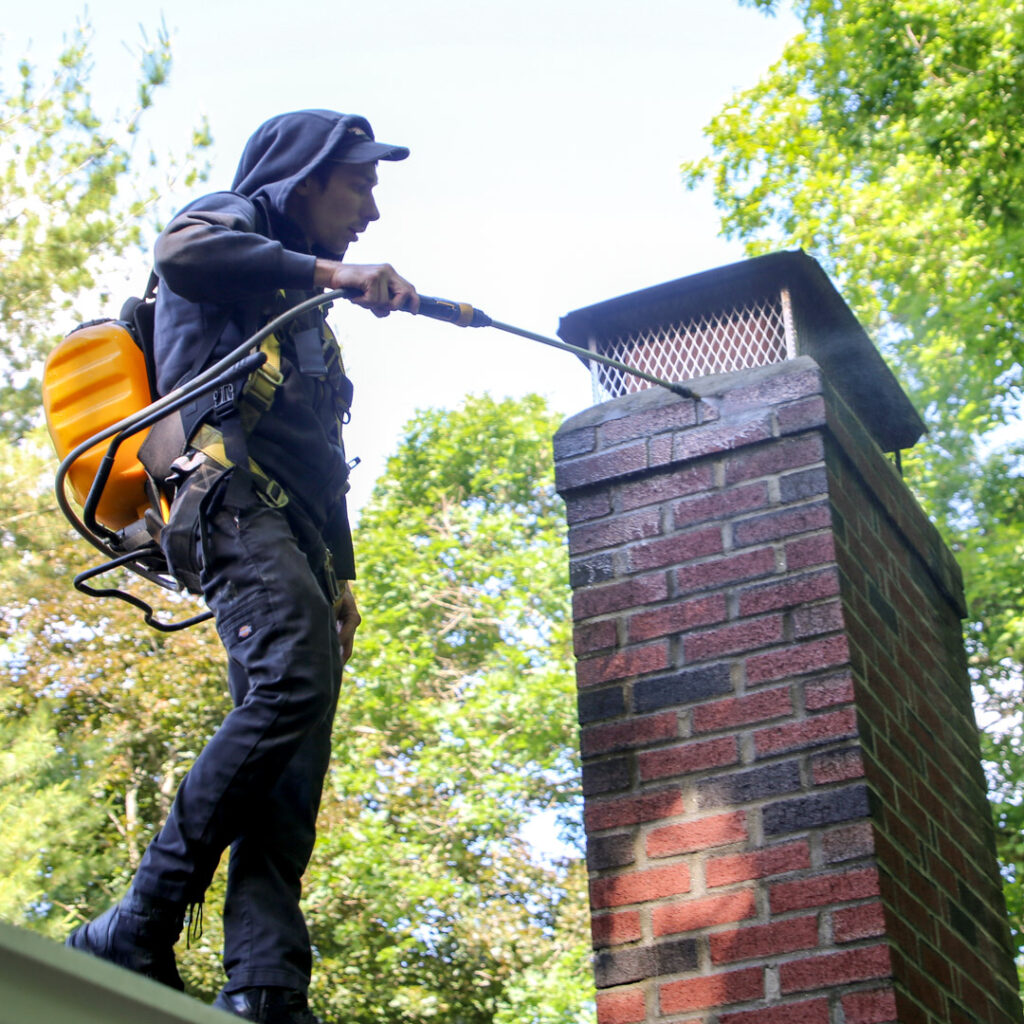
    3. Waterproof the Chimney: To extend the longevity of the chimney for the next 10 years, ask Superior Chimney about Chimney Saver. It is a spray, liquid application that goes directly onto the bricks and chimney crown. The liquid fills in the gaps of the porous cement so no outside water or contaminants can erode the mortar.

    To get a chimney inspection completed with a full 14 point inspection, contact Superior Chimney today to schedule your appointment. It’s better to get it checked and addressed now before the Spring rains begin. Contact us today at 877-244-6349.

    This post first appeared on https://www.superiorchimney.net

    Signs of Chimney Liner Failure

    Your chimney liner does more than move smoke upward. It protects your masonry, improves efficiency, and keeps heat and harmful gases safely contained inside the flue.

    When a liner begins to fail, the warning signs can be subtle at first. Over time, though, small issues can lead to significant chimney damage and safety concerns. Knowing what to look for can help you act before repairs become extensive.

    Here are the most common signs of chimney liner failure homeowners should watch for.

    What a Chimney Liner Actually Does

    A chimney liner creates a sealed pathway that directs smoke and combustion gases out of your home. It also shields the interior masonry from high temperatures and corrosive byproducts created during burning.

    A properly functioning liner:

    • Improves draft and fireplace performance
    • Protects brick and mortar from heat damage
    • Reduces creosote buildup
    • Helps prevent fire hazards
    • Keeps carbon monoxide moving safely outdoors

    Without a sound liner, your chimney system is vulnerable.

    1. Cracked or Broken Flue Tiles

    In chimneys with clay tile liners, cracks are one of the most common problems. Years of heating and cooling cycles cause expansion and contraction, eventually leading to fractures.

    You might notice:

    • Pieces of debris falling when opening the damper
    • Poor draft when having a fire
    • Staining on the chimney structure

    Even minor cracks can allow heat and gases to escape into the surrounding masonry.

    chimney with smoke escaping

    2. Smoke Backing Into the Room

    If your fireplace suddenly starts pushing smoke into your living space, liner damage could be the cause.

    A compromised liner may:

    • Disrupt proper airflow
    • Contain blockages or collapsed sections
    • Be improperly sized for your appliance

    Draft issues should always be evaluated promptly, especially if they develop unexpectedly.

    3. Heavy or Uneven Creosote Buildup

    Excess creosote can signal airflow problems. If the liner surface is damaged or deteriorating, smoke cools too quickly and deposits more residue along the flue walls.

    Over time, this increases the risk of chimney fires and reduces system efficiency.

    4. Rust or Corrosion in Metal Liners

    Stainless steel liners are durable, but moisture and acidic flue gases can still cause deterioration.

    Watch for:

    • Rust flakes inside the firebox
    • Water staining around the chimney
    • Warped or separated liner joints

    Moisture intrusion will accelerate liner failure.

    5. Interior Masonry Deterioration

    When a liner fails, heat and gases can directly impact the brick and mortar structure. This may result in:

    • Spalling bricks
    • Crumbling mortar joints
    • Interior/Exterior cracking
    • Efflorescence (white powdery staining)

    In many cases, visible masonry damage begins with an unseen liner issue.

    chimney repairs by best chimney

    6. Aging or Outdated Chimney Systems

    Older homes may have liners that no longer meet current safety standards — or no liner at all. If your chimney has not been inspected in several years, there may be hidden deterioration inside the flue.

    Routine inspections are especially important before installing a new heating appliance or changing fuel types.

    Why Liner Failure Shouldn’t Be Ignored

    A damaged liner can lead to:

    • Increased fire risk
    • Carbon monoxide exposure
    • Accelerated chimney deterioration
    • Reduced heating efficiency
    • Major structural repairs

    Addressing liner issues early is typically far more cost-effective than repairing extensive masonry damage later.

    Schedule a Professional Chimney Inspection with Best Chimney

    The only way to accurately diagnose chimney liner failure is with a professional inspection, often including a camera scan of the flue interior.

    At Best Chimney, our experienced technicians provide thorough evaluations and clear recommendations. If we find liner damage, we’ll explain your options in straightforward terms — whether that means repairs, relining, or replacement.

    If you’ve noticed smoke issues, debris in your firebox, masonry deterioration, or it’s simply been more than a year since your last inspection, now is the time to schedule service.

    Call Best Chimney at 781-893-6611 or request an appointment online to protect your home and keep your chimney system operating safely and efficiently. Proactive care today helps prevent costly repairs tomorrow.

    The post Signs of Chimney Liner Failure appeared first on Boston's Best Chimney.

    (877) 959-3534