Month: March 2026

Spring Expansion and Contraction Cracks Chimney Masonry
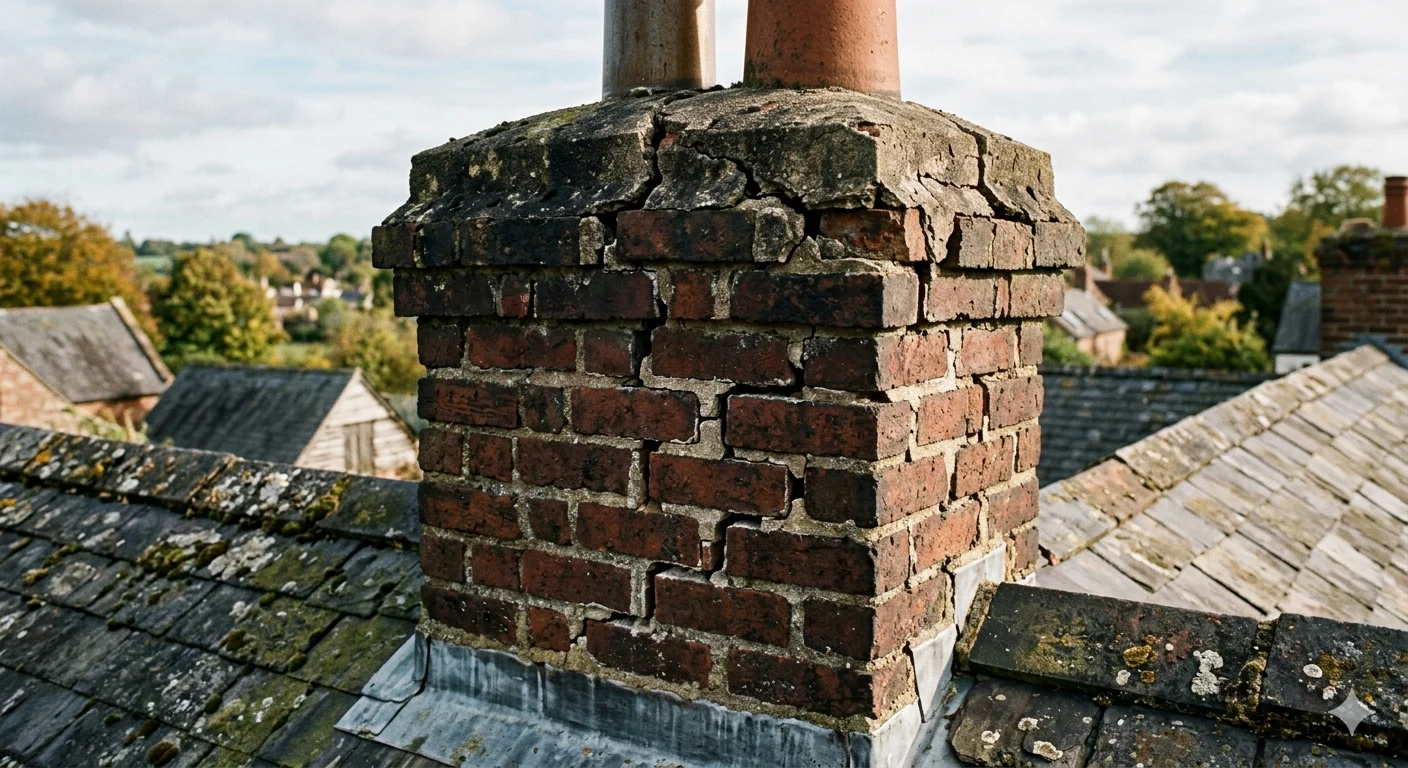
 We’ve had enough of Winter.  Are you ready for some Spring temperatures? Spring is the wake- up call to nature. The grass begins to show hints of green, daffodils growth peek from the ground and chimneys show their cracks. All of these things will begin to happen regardless if the days are warmer and the nights are ice cold. Chimneys are unlike nature, it reacts to the temperature swings with expansion and contraction of the chimney masonry materials. How does it work and what can be done about it? Let’s take a closer look.

Spring Expansion and Contraction Cracks Chimney Masonry

Chimney masonry is a porous material that gets affected by the warmth of temperatures, which causes the material to expand, and when night time comes and temperatures cool or get cold, the material contracts. This accordion like movement weakens the chimney masonry material and forms small, hairline cracks to much larger ones allowing for weather elements like snow and rain to enter the chimney system.

As the elements settle into the cracks, combined with the expansion and contraction, it erodes and breaks the materials causing issues with the integrity of the chimney. Not only does it let in water, ice and snow, it also can create damage to the inside of your home in the form of water leaks.

Early Detection and Correction

Now that it is Spring, this is the perfect time to schedule your chimney inspection. Now that we know how weather elements cracks chimney masonry, what can be done about fixing the issue.

Start by getting a chimney inspection. A certified chimney technician will visit your home to clean and check the fireplace, chimney flue, and the exterior chimney. There are numerous areas in each of the three sections that the technician inspects, but let’s focus on the exterior chimney in this article.

Superior Chimney has a team of chimney masonry professionals that specialize in repairing chimney masonry.

1. Chimney Crown: The chimney crown is the concrete slab that covers and overlaps the brick, stone or siding of the chimney. The job of the chimney crown is the direct water, snow and debris away from the chimney. Its next job is to ensure that any water refrains from leaking into the chimney. If a hairline crack or larger forms on or in the chimney crown, these become entry points. When water enters these cracks, it begins to break down the materials allowing more water to enter. The cumulation can begin to enter your home and create damage and stains on your walls.

2. Tuckpointing: Tuckpointing is the process of repairing the filler in between brick or stone to block the elements from entry. It may sound like an easy task, but the process is a form of artwork in order for it to protect properly and look in unison with the rest of the chimney and home.

    Issues can occur within the materials, including spalling, missing chunks, and cracks. In some cases, the material may separate or pull away from the brick, stone, or concrete surfaces. To avoid this from happening, a chimney inspection will identify any issues and schedule corrective action with a masonry expert.

    3. Waterproof the Chimney: To extend the longevity of the chimney for the next 10 years, ask Superior Chimney about Chimney Saver. It is a spray, liquid application that goes directly onto the bricks and chimney crown. The liquid fills in the gaps of the porous cement so no outside water or contaminants can erode the mortar.

    To get a chimney inspection completed with a full 14 point inspection, contact Superior Chimney today to schedule your appointment. It’s better to get it checked and addressed now before the Spring rains begin. Contact us today at 877-244-6349.

    This post first appeared on https://www.superiorchimney.net

    Signs of Chimney Liner Failure

    Your chimney liner does more than move smoke upward. It protects your masonry, improves efficiency, and keeps heat and harmful gases safely contained inside the flue.

    When a liner begins to fail, the warning signs can be subtle at first. Over time, though, small issues can lead to significant chimney damage and safety concerns. Knowing what to look for can help you act before repairs become extensive.

    Here are the most common signs of chimney liner failure homeowners should watch for.

    What a Chimney Liner Actually Does

    A chimney liner creates a sealed pathway that directs smoke and combustion gases out of your home. It also shields the interior masonry from high temperatures and corrosive byproducts created during burning.

    A properly functioning liner:

    • Improves draft and fireplace performance
    • Protects brick and mortar from heat damage
    • Reduces creosote buildup
    • Helps prevent fire hazards
    • Keeps carbon monoxide moving safely outdoors

    Without a sound liner, your chimney system is vulnerable.

    1. Cracked or Broken Flue Tiles

    In chimneys with clay tile liners, cracks are one of the most common problems. Years of heating and cooling cycles cause expansion and contraction, eventually leading to fractures.

    You might notice:

    • Pieces of debris falling when opening the damper
    • Poor draft when having a fire
    • Staining on the chimney structure

    Even minor cracks can allow heat and gases to escape into the surrounding masonry.

    chimney with smoke escaping

    2. Smoke Backing Into the Room

    If your fireplace suddenly starts pushing smoke into your living space, liner damage could be the cause.

    A compromised liner may:

    • Disrupt proper airflow
    • Contain blockages or collapsed sections
    • Be improperly sized for your appliance

    Draft issues should always be evaluated promptly, especially if they develop unexpectedly.

    3. Heavy or Uneven Creosote Buildup

    Excess creosote can signal airflow problems. If the liner surface is damaged or deteriorating, smoke cools too quickly and deposits more residue along the flue walls.

    Over time, this increases the risk of chimney fires and reduces system efficiency.

    4. Rust or Corrosion in Metal Liners

    Stainless steel liners are durable, but moisture and acidic flue gases can still cause deterioration.

    Watch for:

    • Rust flakes inside the firebox
    • Water staining around the chimney
    • Warped or separated liner joints

    Moisture intrusion will accelerate liner failure.

    5. Interior Masonry Deterioration

    When a liner fails, heat and gases can directly impact the brick and mortar structure. This may result in:

    • Spalling bricks
    • Crumbling mortar joints
    • Interior/Exterior cracking
    • Efflorescence (white powdery staining)

    In many cases, visible masonry damage begins with an unseen liner issue.

    chimney repairs by best chimney

    6. Aging or Outdated Chimney Systems

    Older homes may have liners that no longer meet current safety standards — or no liner at all. If your chimney has not been inspected in several years, there may be hidden deterioration inside the flue.

    Routine inspections are especially important before installing a new heating appliance or changing fuel types.

    Why Liner Failure Shouldn’t Be Ignored

    A damaged liner can lead to:

    • Increased fire risk
    • Carbon monoxide exposure
    • Accelerated chimney deterioration
    • Reduced heating efficiency
    • Major structural repairs

    Addressing liner issues early is typically far more cost-effective than repairing extensive masonry damage later.

    Schedule a Professional Chimney Inspection with Best Chimney

    The only way to accurately diagnose chimney liner failure is with a professional inspection, often including a camera scan of the flue interior.

    At Best Chimney, our experienced technicians provide thorough evaluations and clear recommendations. If we find liner damage, we’ll explain your options in straightforward terms — whether that means repairs, relining, or replacement.

    If you’ve noticed smoke issues, debris in your firebox, masonry deterioration, or it’s simply been more than a year since your last inspection, now is the time to schedule service.

    Call Best Chimney at 781-893-6611 or request an appointment online to protect your home and keep your chimney system operating safely and efficiently. Proactive care today helps prevent costly repairs tomorrow.

    The post Signs of Chimney Liner Failure appeared first on Boston's Best Chimney.

    (877) 959-3534