Wood Stoves, Fireplaces and the Danger of Pyrolysis
Annual chimney inspections are important to help keep people safe from various risks involving fireplaces, according to the Chimney Safety Institute of America (CSIA) and all other leading fire prevention experts. Among the threats that can be eliminated as a result of a chimney inspection is a hazardous fire resulting from pyrolysis. Read on to learn what pyrolysis is and different ways it puts a home and its occupants at risk.
 What is Pyrolysis?
Organic materials undergo thermochemical decomposition at high temperatures in a process known as “pyrolysis.” When wood and other materials decompose due to pyrolysis, a fire can start with exposure to nothing more than heat and oxygen. In other words, combustible materials located in dangerously close proximity to the heat generated by fires are chemically transformed. Eventually, the materials can be ignited by exposure to temperatures as low as 200º F.
Wood that has been affected by pyrolysis shows no external signs that the process has occurred. The decomposition of the wood in a home can take years, with the ignition point of the wood being significantly reduced. Then, with no warning, a typical fire in a fireplace or wood stove causes nearby wood to ignite into a quick-burning inferno.
Is Pyrolysis an Immediate or a Distant Threat?
One of the leading fire protection organizations in the U.S. is the National Fire Protection Association (NFPA). The NFPA conducted research on the speed at which pyrolysis can occur. During a test, a stack of one-eighth inch thick fiberboards was placed near a wood-burning stove. The stove was used for only four days in a row before the fiberboards began igniting without direct contact with a flame or ember. In that instance, according to thermal imaging, the ignition point was 228°F. Considering that fires commonly heat up to more than 1,000°F, the danger of pyrolysis is apparent.
How Fireplaces, Stoves, and Flues Cause Pyrolysis
There are various ways using a fireplace or stove in your home could cause pyrolysis and heighten the risk of out-of-control house fires, as follows.
 Improper Installation
The installation of heating appliances should always be performed by chimney experts in order for work to be done correctly. If, for instance, wood framing in your home is too close to your chimney flue or wood-burning stove or fireplace, pyrolysis will occur, creating a serious safety hazard. In other words, the appliance is not code-compliant because it is installed too near combustible materials. The affected materials might be wood siding, flooring, the edges of sheathing materials, or wood trim.
Another example is that a solid fuel heating appliance may be installed directly on a wooden subfloor when a heat-shielding baseplate was required.
A Damaged Flue or Firebox
Chimney liners and fireboxes, also called inner hearths, are built to withstand extremely high temperatures caused by fires. If either component deteriorates or cracks, the protection of combustible parts of the home is no longer there. If a chimney liner, aka flue, develops a crack and it goes undetected, one of the results is that wood nearby begins to go through the process of pyrolysis. Once the ignition point of the wood is low enough, a fire in the fireplace or stove is enough for the wood to suddenly burst into flames with no warning. Pyrolysis is responsible for many hazardous blazes that destroyed property and caused fatalities.
The chimney sweeps at Northeastern Chimney in West Hartford, CT, are CSIA-certified and have the qualifications for proper installation of fireplaces, stoves, and chimney liners. Schedule a chimney inspection without delay if your chimney hasn’t been inspected for a year or more. Symptoms of pyrolysis aren’t obvious to the naked eye, but chimney experts can recognize the conditions that cause the hazard. Call Northeastern Chimney at (860) 233-5770 today.

This post first appeared on https://www.mychimney.com
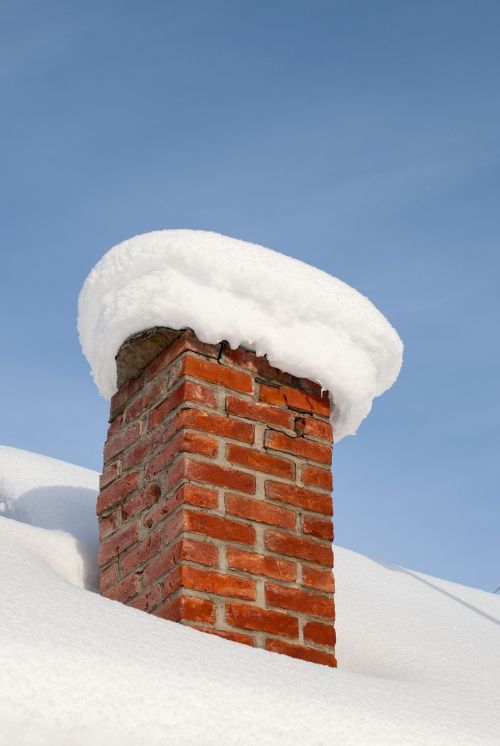

 As solidly built as chimneys are, they need a number of components to keep them working safely and efficiently. Let’s look at some of these components and find out what they do and why it’s important.
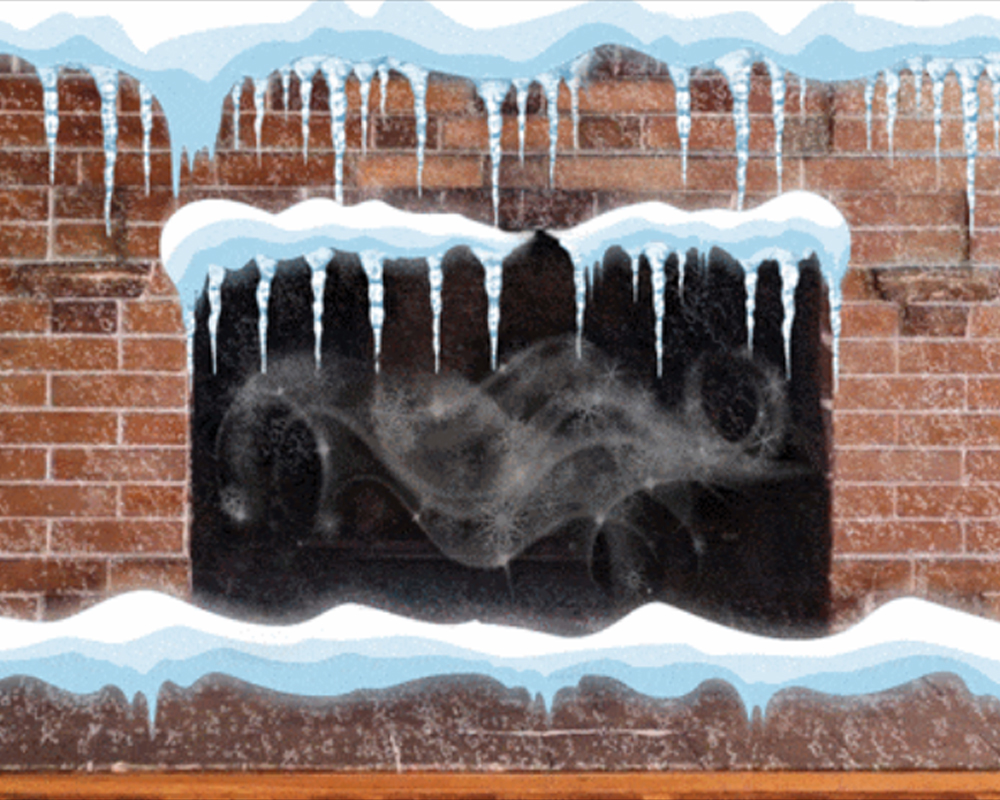 Although you may have a warm, glowing fire, your fireplace may still feel a bit drafty. While you’re using the fireplace to stay warm, the chimney is pulling in the cold, outside air to keep the fire going. But, warm air rises, so out the chimney goes most of the heat, leaving you a bit chilly on the inside.
 Glass Fireplace Door
 Assuming your fireplace and
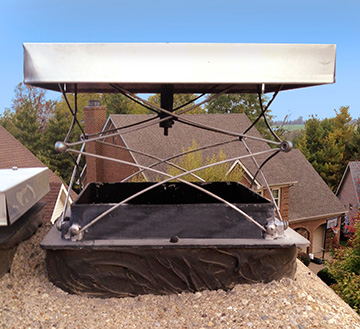
 Top-sealing damper
 Traditional masonry chimneys aren’t built to last forever, and thanks to unavoidable rain and moisture, these structures can become damaged and unsafe faster than you would expect.
 Annual chimney sweep services