Author: admin

The Chimney Cap Blew Off! What Do I Do?

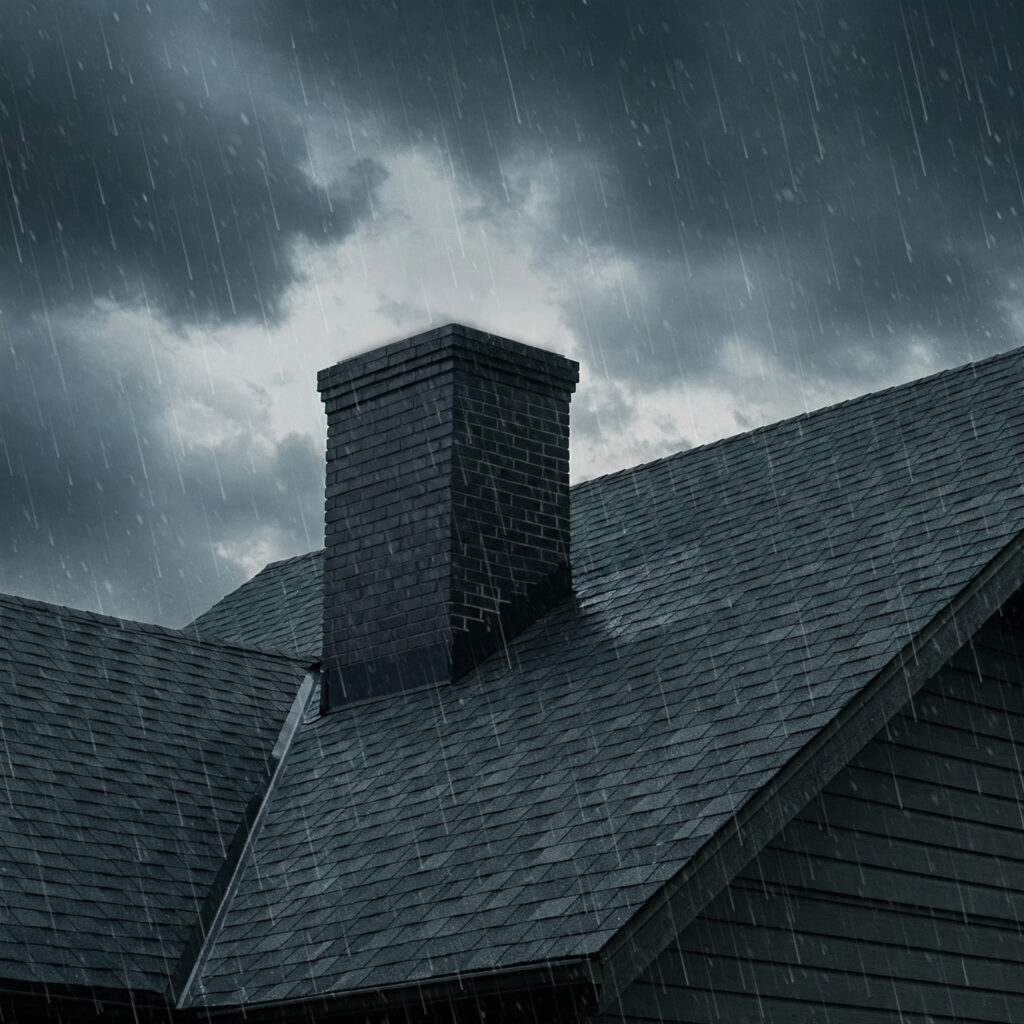
As we have all experienced in the suburbs of Chicagoland, wind can cause a lot of damage with branches from trees falling on the roof and all over the yard to finding roofing shingles and flashing on the driveway and in the yard as well. As these are cause for concern, the chimney cap blowing off is a serious one. We field many calls after a high wind day with homeowners stating that the chimney cap blew off! What do I do?

The Chimney Cap Blew Off! What Do I Do?

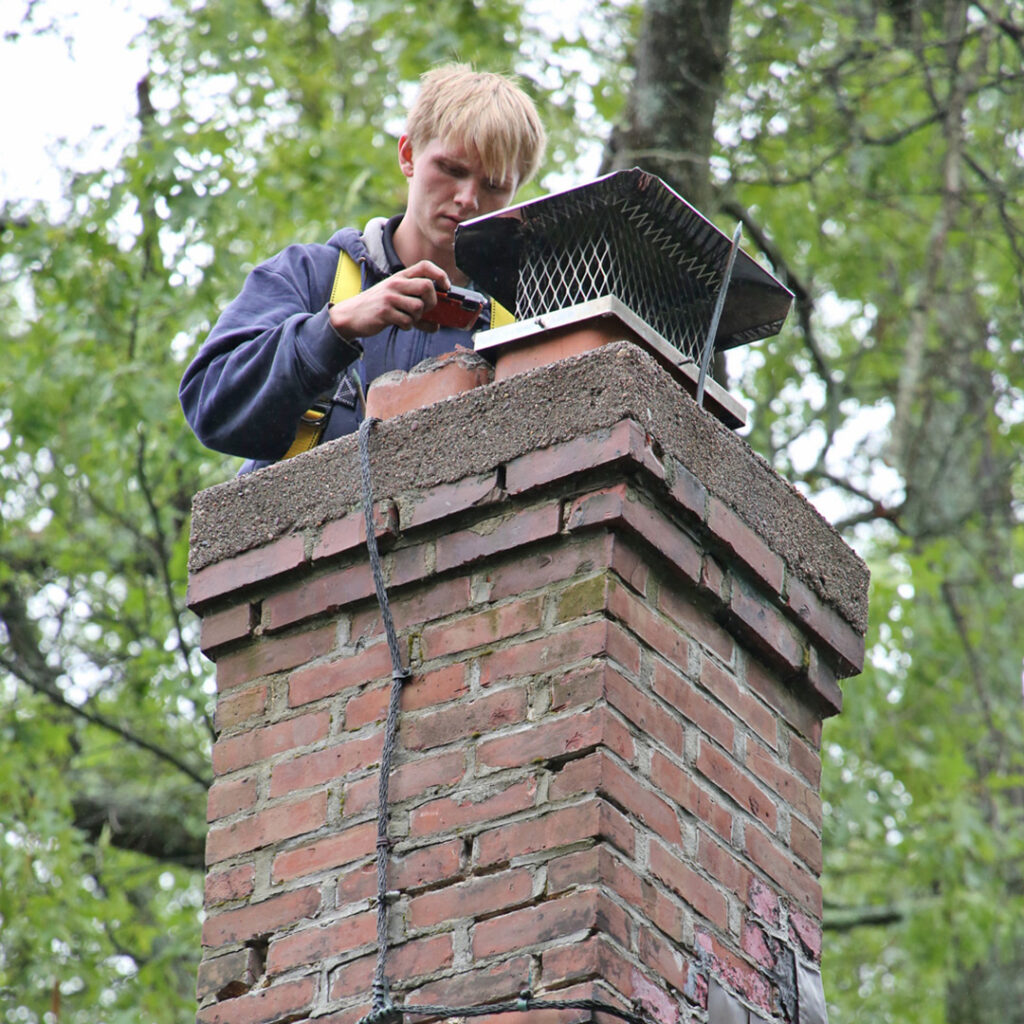
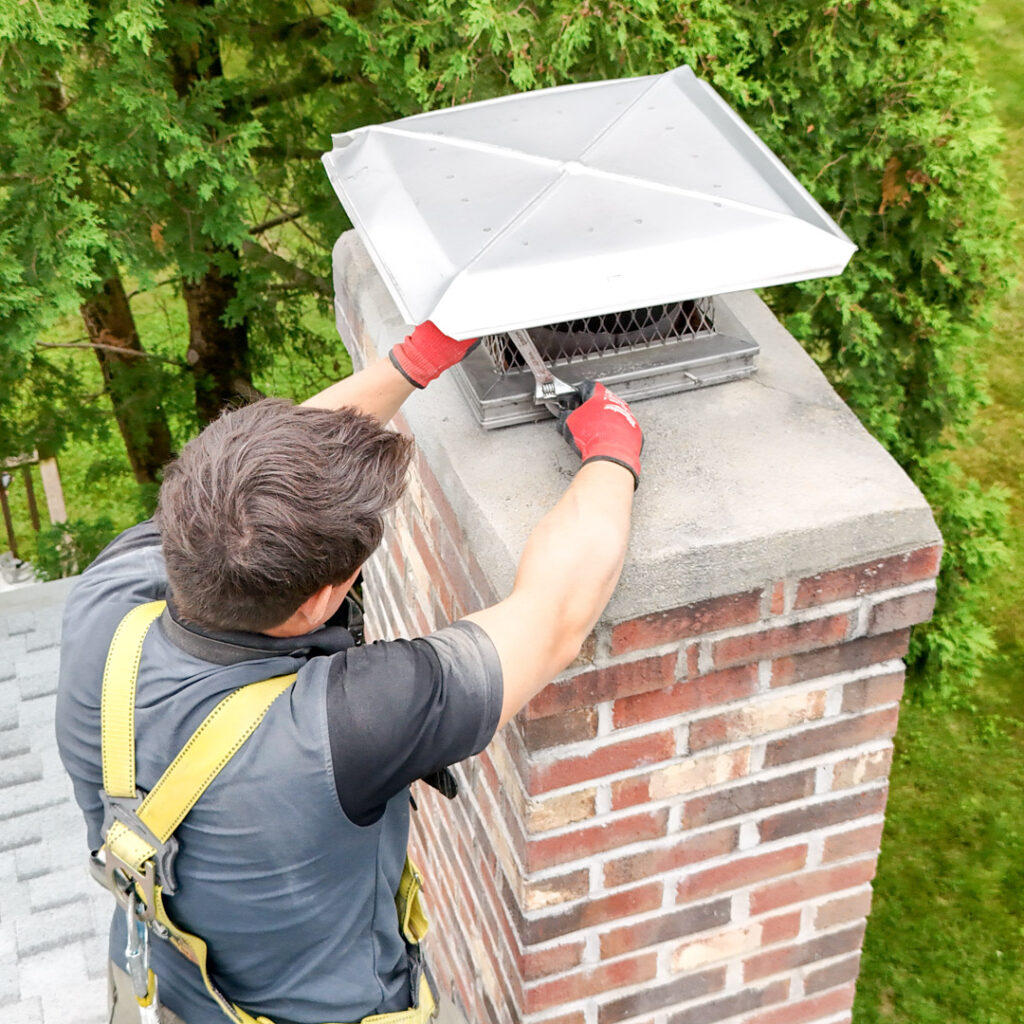
The chimney cap is an instrumental part of the chimney system and it is important to take care of the problem quickly. Every chimney needs a chimney cap for the same reasons every home needs a roof!  Not many homeowners have the ability to go on the roof to secure the opening of the chimney. And that’s okay. Going on the roof of the home can have safety implications. That’s why it’s better and safer for you to rely on a certified professional with years of experience working on chimney systems. When it happens, be sure to contact us 877-244-6349.

What Happens if the Chimney Isn’t Tended To?

If the chimney opening is left unattended, there are three problem areas that can occur. Let’s take a look at each one.

  1. Water Damage: We have rain, and plenty of it. When it rains, water will enter the chimney opening and may lead to damage in the fireplace, masonry and the roof itself.
  2. Pests and Animals: Where there’s an opening, there’s someone searching for a nice home. The opening will attract squirrels, birds, raccoons, bats and other animals that can climb right up onto the roof. You really don’t want an animal to get inside.
  3. Downdrafts: This is a messy and smelly problem that occurs with a missing chimney cap. A missing chimney cap can pull smoke, soot or dusty debris from the fireplace and push it into your living space creating a safety hazard. You don’t want to breath that in, and walk on the flooring which tracks it in other areas of your home.

Schedule a Certified Chimney Inspection and Repair

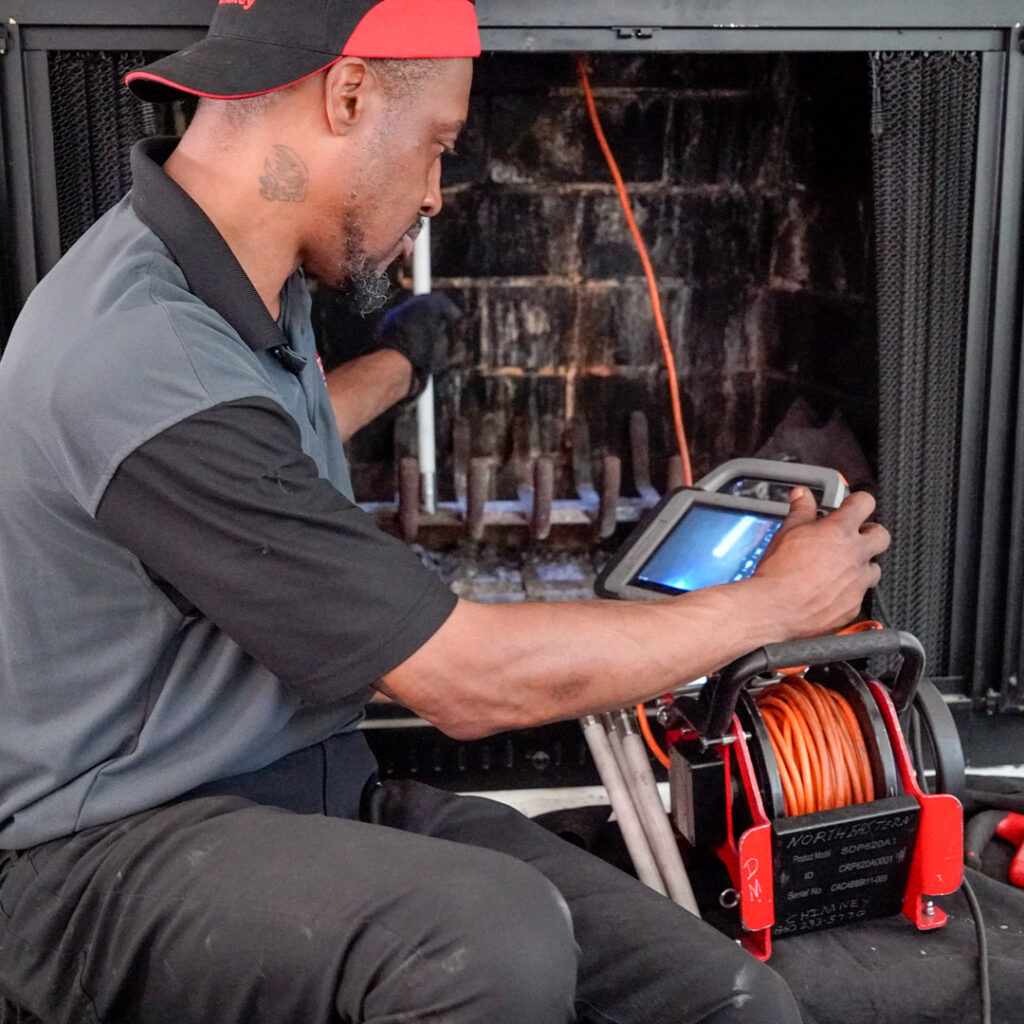
When a serious issue occurs such as a chimney cap blowing off, contact Superior Chimney today to have the damages assessed. We will also evaluate the condition of the chimney cap (if it hasn’t blown a few houses down) to determine if the chimney cap can be repaired or if it needs to be replaced.

The Chimney Cap Blew Off! What Do I Do? During an inspection, we’ll also check the condition of the chimney crown, which is the concrete slab on top of the chimney that overhangs the brick or stone chimney. We’ll also check the health of the chimney liner for any issues. This can be affected if the missing chimney cap isn’t identified on time and the opening has been exposed to the elements. And of course, if the chimney cap needs to be replaced, it will be installed securely and properly by a certified professional. Check out what many customers say about us on Google, Yelp, Facebook and other social media platforms. With over 4,500 reviews, we have a 97% positive rating. Contact us today at 877-244-6349. See you soon!

This post first appeared on https://www.superiorchimney.net

When is the Best Time to Sweep the Chimney and Fireplace?

When is the Best Time to Sweep the Chimney and Fireplace?

When we approach the month of May, we are confident that summer rolls right on in. If you are wondering where summer is, you’re not alone. These cool temperatures are inching upward, but very slowly. Many have vowed not to turn on the furnace anymore, challenging the weather to get better. Instead, in the nightly cool or cold situations, the fireplace gets kicked on again. It’s just too chilly to keep everything turned off. Phone calls have come in asking, with the cool weather looming, when is the best time to sweep the chimney and fireplace?

When is the Best Time to Sweep the Chimney and Fireplace?

A question that we receive quite frequently is when is the best time to sweep the chimney and fireplace. Traditionally, most homeowners sweep their chimney and fireplace in March, April, May followed by September, October and November. Is there a right time? Not really. Here are a few suggestions for the fastest service.

High users of the fireplace: If you are a frequent user of the wood burning fireplace, you may need to sweep it one or two times per year. The rule of thumb is once every face cord of wood burned, and that’s if everything is in balanced working order.  Because of the quick build up of creosote, any month you choose is fine. Creosote is a build up of the bi-products from burning wood in the fireplace. Because this material that builds up on the inside walls of the chimney is highly flammable, it is best to get that removed on schedule to prevent fires from igniting.

Low users of the fireplace / Non-users of the fireplace: You may say, that you can skip a year because of the low frequency or non-use of the fireplace. However, according to the CSIA, that’s the Chimney Safety Institute of America, sweeping the fireplace is essential for the safety and security of the home. You can have the sweep and inspection of your chimney done during non-busy months such as January, February, July, August, December. That is a chunk of months to choose from to get your chimney swept and inspected by a certified chimney professional at Superior Chimney.

Certified Chimney Inspection

You hear the words certified chimney inspection often from us. And for good reason. A certified chimney inspection is instrumental for the structural integrity and fireworthiness of the chimney, the performance of the chimney system which includes the fireplace and for safety. The Superior Chimney certified professionals will be able to identify and discuss in detail with you any potential hazards such as blockages in the chimney system, damages found inside and outside, creosote buildup as well as moisture intrusion. Our job is to ensure that fires don’t have the energy and characteristics they need to start and of course, ensure efficient operation.

Now that you know….

When is the Best Time to Sweep the Chimney and Fireplace? Now that you are armed with the right information to make great decisions, it’s time to schedule it on your calendar to give you the reminder when to call Superior Chimney to inspect and sweep your chimney and fireplace. Finally, when is the best time to sweep the chimney and fireplace? Take a look on your calendar. We’re also here to help. If you would like for Superior Chimney to give you the reminder call, we can help with that as well. Contact us today at 877-244-6349.

This post first appeared on https://www.superiorchimney.net

Caps vs. Crowns vs. Covers

If you’ve ever had a chimney inspection or looked into getting repairs done, you’ve probably heard the terms chimney cap, chimney crown, and chimney cover thrown around like everyone is on the same page. And we get it—most homeowners aren’t chimney nerds (that’s our job). But understanding the difference between these three parts of the chimney can save you a whole lot of trouble—and money down the road.

Let’s break this topic down in plain English.

Keep rain out of the flue with a quality chimney cap in Avon, CTThe Chimney Cap: Your First Line of Defense

Think of the chimney cap like a little roof for the top of the chimney. It usually sits over the stove and is typically made of stainless steel or copper.

What does it do?

  • Keeps rain out of the flue.
  • Stops critters like birds, raccoons, and squirrels from turning your chimney into a condo.
  • Blocks debris like leaves and twigs from falling in.
  • Some caps have spark guards to prevent hot embers from shooting out and landing on the roof.

Why it matters

Water is the number one enemy of your chimney. A cap stops water from going straight down the flue and causing damage to your fireplace or stove—and prevents expensive issues like rusted dampers or mold buildup.

The Crown: The Unsung Hero

If you move your eyes a little lower from the cap, you’ll see a flat, cement-like structure around the top of the chimney. That’s the chimney crown.

What does it do?

  • Shields water away from the brickwork and flue liner.
  • Helps protect the masonry from cracking, crumbling, and deteriorating.

Why it matters

A damaged or poorly built crown can lead to serious water damage (remember that water is a chimney’s primary enemy). Cracks in the crown allow water to seep in, which freezes and expands during cold weather, known as the freeze/thaw cycle. This constant freezing and thawing will eventually destroy your chimney from the top down. A good crown is sloped to send water away and sealed to keep it out.

The Chimney Cover: Isn’t That The Same as a Cap?

Not quite, but many people confuse the two and use the terms interchangeably, and to be fair, they can be similar. But here’s the scoop: a chimney cover usually refers to something that covers the entire top of the chimney, not just the flue. They’re commonly used in a factory-built chimney. It may have sides with vents to allow smoke out while keeping everything else (rain, animals, debris) from getting in. These are sometimes called full-coverage chimney caps.

Why would you need one?

  • More complete protection for the entire chimney top.
  • Extra defense against wind-driven rain
  • They look neat and polished and can improve your home’s curb appeal.

So, Which One Do You Need?

Here’s the short version:

  • The cap protects the flue itself.
  • The crown is the concrete surface that seals the top of the chimney’s structure.
  • The cover is a larger version of the cap that protects the whole top of the chimney and is usually used with factory-built chimneys.

Ideally, you’d want all three working together. A sturdy, well-built crown to keep the chimney’s structure intact and dry, a properly sized cap or cover to keep water, wildlife, and debris out of the flue, and if the crown is cracked or damaged, get it fixed ASAP.

Professional and reliable chimney cap installations, inspections and repairs services in Farmington, CT

default

Don’t Wait for a Rainy Day

Chimneys are tough, but they’re not indestructible. Little issues up top can snowball into big, expensive-to-repair problems in short order.

Call Northeastern Chimney today for a professional chimney inspection. Our certified technicians will give your chimney a thorough look over and alert you to possible issues with the cap, crown, or cover. We’re Central Connecticut’s top-rated chimney and fireplace experts with nearly three decades of experience. Get in touch with us today!

The post Caps vs. Crowns vs. Covers appeared first on .

This post first appeared on https://www.mychimney.com

How Summer Weather Affects Your Chimney – and What to Do About It

When summer hits Georgia, most homeowners shift their focus to air conditioning and backyard BBQs—not their chimney. But while your fireplace may be taking a seasonal break, your chimney is still exposed to heat, humidity, and summer storms that can cause real damage if left unaddressed.

At Southern Chimneys, LLC, we know the unique challenges Georgia’s climate brings, and we’re here to help you protect your home all year long. Here’s how summer weather can impact your chimney — and what you can do about it.


Moisture Intrusion & Stinky Chimneys

High humidity and frequent thunderstorms are a normal part of Georgia summers, but they can wreak havoc on your chimney. When moisture enters the flue — especially in chimneys with leftover creosote or soot — it mixes to create a sour, smoky odor that drifts into your home.

What to do:

  • Schedule a professional chimney cleaning & inspection to remove odor-causing buildup.
  • Make sure your chimney cap is properly fitted and sealed to keep rain and debris out.

Animals & Nesting Problems

With warm weather comes nesting season. Birds, squirrels, and even raccoons see an open chimney as prime real estate. Unfortunately, their nests block airflow, create fire hazards, and can introduce pests and parasites into your home.

What to do:

  • Have your chimney inspected for signs of animal activity.
  • Install a custom outside-mount chimney cap with mesh screening to keep critters out.

Heat, Storms & Masonry Damage

Georgia’s hot sun and heavy rains create a damaging cycle for masonry chimneys. Heat causes expansion, rainwater seeps into cracks, and over time, this can lead to crumbling bricks or deteriorating mortar joints — especially near the roofline.

What to do:

  • Schedule a chimney inspection to catch small issues early.
  • Complete any necessary masonry repairs or tuckpointing during the summer.
  • After repairs, apply a chemical waterproofing treatment to shield against further damage.

Summer Is the Best Time for Chimney Work

Don’t wait until fall to find out your chimney needs repairs. Summer is the ideal time to handle cleanings, inspections, repairs, and waterproofing — before you need to use your fireplace again.

At Southern Chimneys, LLC, we offer:

  • Chimney cleanings
  • Cap installations
  • Masonry and crown repairs
  • Waterproofing
  • Full system inspections
  • All fireplace and chimney repairs/maintenance

Protect Your Home Before the Burn Season Returns

Your chimney might not be top of mind in the summer, but ignoring it now can lead to costly damage and safety concerns later. Let the professionals at Southern Chimneys, LLC make sure your system is in top shape before fall.

📞 Call us today at 678.744.4046
🌐 Visit us online: www.SouthernChimneys.com
📍 Proudly serving the greater Atlanta, GA area

The post How Summer Weather Affects Your Chimney – and What to Do About It first appeared on Southern Chimneys.

This post first appeared on https://southernchimneys.com

Why Does My Fireplace Stink?

Why Does My Fireplace Stink?

At the last rainfall, we had a ton of inquiries. The question everyone was asking, “why does my fireplace stink?” It is distracting when you’re sitting in your common area and you can’t enjoy what you are doing due to the smell. Sometimes it comes in whiffs and other times it is a constant bad odor. What causes the odor and how can you get rid of it?

Gas Fireplace: Why Does My Fireplace Stink?

As we all know, wood burning fireplaces need to be swept and inspected… But so do gas fireplaces. Gas fireplaces can smell too! But it’s different than a wood burning fireplace. The most common smell for the gas fireplace is a musty / dusty smell. What’s that from? Dust and moisture. When the fireplace isn’t used dust gets collected in the fireplace. When it then gets lit, the dust gets burned off and a foul odor is created and consumes the living space. It doesn’t take long for dust to gather. Homeowners need to be cautious when that happens. Getting the fireplace and chimney swept and inspected can help to avoid the smell from happening.

Wood burning Fireplace: Why Does My Fireplace Stink?

Wood burning fireplaces have a different reason for it smelling. Every time that a fire is lit with wood, a byproduct is created. It’s called creosote. It’s a black substance that sticks to the sides of the walls of the chimney flue. When you add the moisture of rain and humidity either separately or together, you get a smell like a campfire, except this one doesn’t smell so good. The other issue with creosote is its flammability. This can be a dangerous byproduct, which is why sweeping is critical.

By having regular chimney sweeping and inspection, our certified chimney technicians help get rid of the smell as well as the dangers of creosote.

How Can Homeowners Minimize the Smell?

Here are three ways that you can minimize the smell in the fireplace and at the same time keep it healthy and safe for your home.

  1. Chimney Sweeping and Inspection: Be sure to get a yearly sweep and inspection in order to control the odor from the fireplace. However, if you do use your fireplace often, then twice per year is the way to go to ensure safety and odor control.
  2. Install a Damper: Dampers are a great addition to your fireplace system if you do not have one already. This is a great way to control the airflow and keep the odor and smell in the chimney, especially on rainy days and humid conditions.
  3. Chimney Cap: A chimney cap works to keep water out of the home, and directs it away from the home. The chimney cap ensures that debris, water and animals stay on the outside and not make their way in the home.

Now that you know the top reasons why does your fireplace smells, it’s time to do something about it. Contact us today and we’ll send out one of our certified chimney technicians to guide you through the process.

This post first appeared on https://www.superiorchimney.net

Superior Chimney’s Masonry Talent Goes Beyond the Chimney

chimney masonry

Finding someone who is talented with masonry work is golden. Many times, when our masonry workers go to a home to tuckpoint the brickwork or stonework on a chimney, a customer says, “are you able to fix these bricks on my home?” The answer is ‘yes’ most often! Superior Chimney’s masonry talent goes beyond the chimney.

Of Course, the Chimney

Our team of masonry professionals are highly experienced and are perfectionists at their craft. Being a masonry professional is like an artist. They make it look so easy. That’s how you know they are talented in their craft, and lucky to have them build or repair your chimney. So what do they do?

Chimney Rebuild or Partial Rebuild

Chimney rebuilds are obvious. When you see a chimney that doesn’t look like it can be repaired, chances it can’t. In addition, if it is falling apart, crumbing down or leaning to one side, it will need to be rebuilt.

A partial chimney rebuild is when you notice a couple of the rows of bricks are in bad shape, but the rest of it looks okay, that’s when a partial chimney rebuild needs to be done. Of course, that’s just what the naked eye sees from the ground looking up. But you always need a professional technician to conduct the inspection, take the pictures and tell the story with details. Once that part is done, the masonry professional comes in to build or partially fix the chimney.

Tuckpointing

Tuckpointing looks easy, and you can purchase the tools that they use at any hardware store. But when you need to mix the material, match it to the current color mortar, put it between two bricks and then create the perfect groove that spaces the bricks, many give us a call and say, ‘what a mess’. It can be if you are not a mortar artist like our masonry professionals. Even if it is filling in missing gaps in between the bricks, you still want it to blend together and look as perfect as possible. That’s what they can do.

Beyond the Chimney

There are lots of little projects that homeowners ‘see’ when you start thinking about masonry. You notice missing mortar in the home’s bricks and wonder if they can fix that as well. Or a mailbox stand that’s made from the bricks that match the house. Can they fix that? There are all sorts of things that need to be done and repaired around the house. Collect those projects and when you call us, let us know of them all! We’ll even inspect the exterior chimney to be sure all brick and mortar are in good shape. Contact us today to get your projects started! Superior Chimney’s masonry talent goes beyond the chimney!

This post first appeared on https://www.superiorchimney.net

Chimney First: Why Your Masonry Work Should Lead Your Home Renovation Timeline

As spring has arrived and homeowners across the region plan their exterior renovation projects, it’s crucial to consider the proper sequence of these improvements. While new roofing, fresh siding, and solar panel installation might be the visible transformations you’re eager to see, starting with your chimney and masonry work offers significant advantages that can save you time, money, and headaches down the road.

The Foundation of Your Home’s Exterior System

Your chimney isn’t just a standalone structure—it’s an integral part of your home’s exterior system that interfaces with multiple other components. Here’s why addressing chimney issues should be your first priority:

Protect Your Roofing Investment

Did you know that many roofing warranties include specific clauses about foot traffic and adjacent structures? It’s true—some roof warranties can actually be voided if anyone walks on them after installation or if connected structures (like chimneys) cause damage due to deferred maintenance.

By repairing and maintaining your chimney before installing a new roof, you:

  • Prevent potential warranty issues
  • Avoid damage to new roofing materials
  • Ensure proper flashing and waterproofing where the chimney and roof meet
  • Eliminate the need for roofers to work around deteriorating masonry

Maximize Siding Performance

When planning new siding installation, your chimney’s condition matters more than you might think:

  • Masonry repairs often require access to areas that will soon be covered by siding
  • Water damage from a compromised chimney can eventually affect your siding
  • Proper counter-flashing and weatherproofing between masonry and siding is essential
  • Addressing these connections during chimney repairs ensures a watertight exterior system

Solar Panel Considerations

The growing popularity of solar installations makes chimney maintenance even more critical:

  • Solar panels are typically installed with 25+ year expected lifespans
  • Access to your chimney becomes significantly more complicated once panels are in place
  • Shadow casting from your chimney can affect solar panel placement and efficiency
  • Completing masonry repairs first ensure you won’t need to remove costly solar infrastructure temporarily

Beyond Sequencing: Complementary Improvements

Tackling your chimney work first doesn’t just protect your other investments—it can enhance them:

Energy Efficiency: Properly sealed masonry, together with new siding and roofing, maximizes your home’s thermal envelope.

Aesthetic Coordination: Planning masonry repairs early allows you to coordinate brick or stone restoration with new siding and roofing colors.

Comprehensive Waterproofing: A systematic approach to exterior renovations minimizes water entry points between different systems.

The Professional Approach

At Best Chimney, we specialize in coordinating with other contractors to ensure your chimney and masonry work integrates seamlessly with your overall renovation plans. Our experienced team can:

  • Conduct thorough inspections before other work begins
  • Document existing conditions to protect you and other contractors
  • Provide timelines that align with your roofing, siding, or solar installation schedule
  • Offer expert advice on material compatibility and aesthetic considerations

Spring Into Action

As renovation season heats up, our schedule fills quickly. Contact us today for a comprehensive chimney inspection and consultation on how masonry repairs can be the foundation of your home improvement project.

Don’t wait until other contractors are on site to discover chimney issues that could complicate your renovation. Remember—beautiful new siding, a pristine roof, or cutting-edge solar panels can all be compromised by neglected masonry work around it.

Please get in touch with us by calling 781-893-6611 or schedule here now!

The post Chimney First: Why Your Masonry Work Should Lead Your Home Renovation Timeline appeared first on Boston's Best Chimney.

The Top Benefits of Having a Fireplace in Your Home

When asked to describe the perfect evening in a winter cabin, many of us paint the same picture: curling up under a blanket with a good book, sipping a mug of hot cocoa or coffee, and hearing a crackling fire in the background. After experiencing moments like these, we’re left feeling like we’re constantly trying to recreate the cozy moment and, ultimately, chasing a pipe dream.

But here’s the thing: you don’t need to book your dream vacation to reclaim those warm and inviting feelings. You can transform your own living room or master bedroom into the retreat you’ve been dreaming of by installing a fireplace. From improving heating efficiency to boosting your home’s ambiance, the benefits of a fireplace are more plentiful than you may have realized.

At SureGlow Stove & Chimney, we know fireplaces better than anyone. So let’s dive into the top benefits of having a fireplace in your home and how we can help you create a cozy space with a new fireplace installation.

A Cozy Gathering Spot for the Whole Family

In a world that often feels go-go-go, the comfort of a fireplace has a unique ability to slow things down. Kids sit cross-legged near the hearth playing board games, pets curl up for a nap, and you and your partner linger longer on the couch, sipping wine or catching up after a long day. Before you know it, your fireplace will become more than just a source of heat; it will be the heart of your home.

Of course, there’s a nostalgic element to having a fireplace in the house, as well. Families who grow up with fireplaces often look back fondly on the winters spent beside them. You can spark images of the good ol’ days with your very own gas or wood-burning fireplace while also providing your loved ones with the same type of memories.

A Natural Way to Unwind

Since we’re surrounded by screens and bombarded with endless to-do lists, the simple act of watching a fire can be so powerful. There’s something primal and grounding about it. The soft crackle, the flickering light, the slow dance of flames — it all helps the mind and body relax.

Whether you’re winding down after work, trying to disconnect for a tech-free evening, or simply looking to enjoy a moment of peace, a fireplace creates the perfect atmosphere.

Warmth When You Need It Most

Okay, so we just said your fireplace will be more than just a heat source, but we can’t ignore the fact that it will also perform this essential function. Whether you live in a region with harsh winters or just like having a backup heating solution during storms or power outages, a fireplace can keep you comfortable when your central heating might not be up to the task. Plus, high-efficiency models — like those we install at SureGlow Stove & Chimney — are designed to maximize heat output and minimize waste, so you’re getting the most warmth with the least fuel.

And let’s be honest: there’s just something extra comforting about fire-warmed heat. Unlike the forced air from a heating system, the radiant warmth from a fireplace feels more enveloping. It heats you to your core, making even the chilliest nights feel downright enjoyable.

Energy Savings and Cost Efficiency

Here’s another practical benefit of having a fireplace in your home: it can help lower your heating bills. When you install a high-efficiency fireplace or wood stove, you can warm up the rooms you actually use while being able to lower the thermostat for the rest of the house. This can be especially helpful in large or multi-story homes where heating unused rooms is just a waste of energy. With a properly maintained fireplace, you’ll not only enjoy a cozier space, but you’ll do so in a way that’s friendlier to both the environment and your wallet.

Elevated Interior Designs

Have you ever noticed how a room with a fireplace just feels different? There’s a natural elegance and charm to it, whether the room is decked out with a traditional wood-burning fireplace or a sleek, natural gas model.

Even when the fireplace is not in use, the mantel can be decorated to match the seasons, display cherished keepsakes, or highlight your personal style. When it’s lit, the fire adds movement, sound, and warmth — an ever-changing focal point that no TV or light fixture can match.

Improved Home Value and Marketability

If you’ve ever browsed real estate listings, you know how often “fireplace” pops up as a selling point. It’s not just for show — a fireplace can actually increase your home’s value and make it more attractive to potential buyers. For many, the benefits of a fireplace outweigh the costs, especially when looking at long-term investment. After all, homebuyers tend to associate fireplaces with warm feelings and family traditions — all things that make a property feel more like a forever home.

Embrace the Warmth of a Fireplace With a New Installation From SureGlow

When you add up the benefits of a fireplace — the warmth, the ambiance, the energy savings, and the priceless moments shared — it’s easy to see why this classic feature remains so beloved in homes across the country. If you’re dreaming of cozy nights by the fire or simply want to enhance your home’s charm, call on the experts at SureGlow Stove & Chimney.

At SureGlow Stove & Chimney, we believe a fireplace does more than heat a room — it brings people together. We proudly offer gas, wood, and electric fireplace inserts as well as gas log sets and wood stoves that not only look beautiful but also help you save on energy and create unforgettable moments with your family and friends.

Contact us today to start planning the perfect fireplace for your space!  

Want to Upgrade Your Fireplace but Don’t Know Where to Start? Here’s Your Guide

Is your fireplace looking outdated or underwhelming? Whether you’re dreaming of a cozy, modern centerpiece or just want to make your living space more inviting, a fireplace upgrade can transform the look and feel of your home. But where do you begin?

If you’re unsure how to approach a fireplace remodel or don’t know what your options are, you’re not alone. Many homeowners are eager to enhance their fireplace but don’t realize how important it is to hire a trusted, certified professional.

That’s where Southern Chimneys, LLC comes in.

Why Upgrade Your Fireplace?

A beautiful, functional fireplace does more than heat your home — it adds value, enhances ambiance, and becomes a focal point for family gatherings. Whether you’re considering a simple aesthetic upgrade or a full chimney and fireplace renovation, Spring is the perfect season to start planning.

The First Step: Hire a CSIA-Certified Chimney Company

Before choosing tiles or selecting a mantel, make sure the structure behind your fireplace is safe and sound. That’s why it’s crucial to hire a CSIA-certified chimney company like Southern Chimneys, LLC.

The Chimney Safety Institute of America (CSIA) certification ensures that your technician is trained in chimney inspection, cleaning, and repair/renovation best practices — protecting your home from hazards like creosote buildup, chimney fires, and poor ventilation.

What Southern Chimneys, LLC Can Do for You

At Southern Chimneys, LLC, we specialize in helping homeowners like you upgrade and remodel fireplaces with confidence. Our services include:

  • Comprehensive chimney inspections, including camera scoping of chimney
  • Fireplace and chimney cleaning and repair
  • Custom fireplace upgrades
  • Installation of gas logs, gas or woodburning inserts, full system replacements
  • Ensuring full safety compliance and efficiency

Whether you want to refresh your existing setup or design something entirely new, our CSIA-certified team will guide you through every step of the process.

Don’t Wait Until Fall — Start Your Fireplace Project Today

Spring and summer are the best times to plan a fireplace remodel or chimney maintenance. You’ll avoid the busy season, have plenty of time for design decisions, and ensure everything is ready before colder weather returns.

If you’re ready to elevate your fireplace but don’t know where to start, start with Southern Chimneys, LLC — your local, CSIA-certified experts.

Contact us today at 678.744.4046 to schedule your consultation and discover how we can bring your fireplace vision to life.

The post Want to Upgrade Your Fireplace but Don’t Know Where to Start? Here’s Your Guide first appeared on Southern Chimneys.

This post first appeared on https://southernchimneys.com

What to Do if You Have a Crumbling or Spalling Chimney

Do the bricks on your chimney look cracked and worn? Maybe there are chunks of brick missing, or pieces are littering the ground around your home. If that sounds familiar, you might be dealing with a spalling chimney. This is a common issue where bricks begin to flake, peel, or break off the structure, often leaving behind a chimney that not only looks rough but could also be a safety risk.

Since spalling can lead to structural damage that compromises the safety and performance of your chimney, it’s important to understand which steps you need to take to address the problem at its source. Fortunately, the technicians at SureGlow Stove & Chimney are here to provide the know-how and the help you need to resolve this issue before it gets worse.

Why Spalling Happens in the First Place

When it comes down to it, spalling occurs due to one of two reasons: exposure to moisture and the quality of bricks and mortar used during construction.

Moisture Exposure

Brick and mortar are porous materials, which means they can absorb moisture over time — especially if the chimney wasn’t sealed properly or if the flashing around the base is damaged. Once water gets in, freezing temperatures can cause it to expand inside the brick, slowly tearing it apart from the inside out. Add years of exposure to wind, rain, snow, and improper pressure washing, and your spalling chimney becomes a ticking time bomb.

Type of Brick & Mortar Used

Some materials are more prone to absorbing moisture, and older chimneys might have been built without modern waterproofing techniques. Chimneys exposed to harsh weather conditions — like those in windy or wet climates — are also more vulnerable to spalling. Even something as seemingly minor as a missing chimney cap can accelerate the process by letting water in from the top.

What Are Your Options for a Spalling or Crumbling Chimney?

So you’ve got a crumbling chimney — now what? The good news is that there are solutions, and the earlier you catch the problem, the more manageable the fix. One of the first things a chimney professional will assess is how deep the damage goes. If spalling is limited to just the outer layer of a few bricks, a simple spot repair (such as tuckpointing or brick replacement) might be all you need. Tuckpointing involves removing and replacing deteriorated mortar between bricks to restore the chimney’s structural integrity, while brick replacement consists of carefully removing damaged bricks and installing new ones in their place to maintain the chimney’s strength and appearance.

However, if the damage is more extensive and has spread across large sections of the chimney, it may require a more comprehensive solution, such as partial or full chimney rebuilding. This might sound intimidating, but it’s often the best option to ensure the long-term safety and integrity of your home. During a rebuild, the old, damaged bricks are removed and replaced with new, durable materials.

How to Prevent Spalling in the Future

If you want to avoid the costs and dangers associated with a spalling chimney, you will want to invest in a few maintenance services. After all, like anything else exposed to the elements, your chimney needs a little TLC to stay in good shape. Here’s how you can do it:

  • Prioritize Annual Inspections: One of the best ways to stay ahead of spalling brickwork is to have your chimney inspected annually by a certified chimney sweep. They’ll look for early signs of damage, check the masonry, flashing, and crown, and recommend small fixes before they become big problems.
  • Invest in Waterproof Coatings: After fixing brickwork or completing stucco repairs, chimney technicians will often recommend sealing the structure with a breathable waterproof coating to help prevent future issues. For some homes, especially those with older brickwork, this protective seal can go a long way in keeping moisture out while still allowing the chimney to “breathe.”
  • Install a New Chimney Cap: If you don’t already have one, or if your current one has seen better days, installing a chimney cap can make a big difference. This metal covering goes over the top of the flue and prevents rain, snow, debris, and even animals from entering your chimney and fireplace. It’s one of the easiest and most effective ways to protect your chimney from the elements.
  • Schedule Tuckpointing When Necessary: Over time, mortar joints wear down, which opens the door for moisture intrusion. Repointing these areas keeps your chimney watertight and strong, reducing the chances of a crumbling chimney.

Don’t Wait — Get Your Crumbling Chimney Fixed Right Away

Here’s the thing: a few spalling bricks today could lead to a weakened structure, safety hazards, and expensive repairs down the road. Since your chimney works hard year-round, facing everything from driving rain and snow to blazing summer heat, it’s important to give it a little TLC from time to time. So, if your chimney’s brickwork is crumbling and falling apart, turn to the team at SureGlow Stove & Chimney.

With years of experience in chimney masonry repairs and rebuilding, we can tackle even the toughest issues. Trust us to assess your chimney, identify the root cause of the damage, and walk you through your options. We will only use top-quality materials and proven techniques to make sure your chimney is safe, strong, and ready to weather whatever comes its way.

Ready to restore your chimney? Contact SureGlow Stove & Chimney today.

(877) 959-3534