Author: admin

What You Need to Know About Chimney Venting

Most people who own a wood burning fireplace know the basics of how it works, but not the nitty-gritty details. However, those details can make your fireplace a joy or pain to use. In this post, we look at chimney venting, what it is, the types, and why it’s essential to fireplace efficiency and comfort.

Wood Burning Fireplace in Stilwell, KSWhat is Chimney Venting?

Chimney venting is when the hot gases and byproducts from combustion heating equipment, such as a fireplace or furnace, flow up the chimney and out of the house. Chimney Venting is essential to the combustion process by allowing gases to exit the house as fresh air is drawn in.

Types of Venting

There are three main kinds of venting systems: natural draft, forced draft, and balanced draft. Let’s look at each one in detail.

Natural Draft

Natural drafting is the most common chimney venting system because it’s simple, reliable, and doesn’t require any additional energy or machinery besides the equipment it’s venting. Natural drafting works by the fundamental principle that hot air rises. The fire or combustion draws cool air from the room and the hot air rises and out of the chimney in a cycle.

Forced Draft

Forced draft venting systems use a fan or blower to push air up the flue. Forced draft systems are ideal for homes that struggle to create a natural draft because they’re too well insulated, the chimney is too short, or it is obstructed. Moreover, some heating systems like boilers or furnaces require forced draft venting to operate efficiently.

Balanced Draft

A balanced draft system uses the best of both forced and natural drafting to regulate the flow and ensure the pressure in the flue is consistent for efficient combustion.

Why Chimney Venting is Important

As mentioned, you may never think about chimney venting, but here’s why it’s essential to your safety and your heating system’s efficiency.
Proper chimney venting keeps the toxic gasses flowing out of the house and the temperatures in the chimney at a reasonable level. Poor venting can lead to carbon monoxide buildup in the home, a smoky fire that’s difficult to keep lit, and a possible chimney fire.
Proper venting and drafting also keep your fireplace or heating system running more efficiently, saving you money on fuel costs or energy expenses.

Common Chimney Venting Problems

Now that you know why chimney venting or drafting is important, it’s good to know what can go wrong and impede the process. Unfortunately, many chimneys have poor drafting for these reasons.

– Broken or damaged damper
– Incorrect chimney height
– The flue is blocked by debris
– The chimney is structurally damaged
– Animal nests in the flue
– Creosote buildup
– Negative pressure caused by insulation and competition with other fans or vents in the house

How to Maintain Proper Chimney Venting

You want to get the most out of your fireplace or heating system, so it’s crucial to maintain a healthy draft, and here’s how to do it.

Regular Cleaning

It can’t be stressed enough how vital regular chimney cleaning by a trained professional is. Over time, creosote will build up in your chimney, which restricts airflow, creates drafting issues, and is a fire hazard.

Use Proper Fuel

Using the proper fuel for your equipment ensures the combustion process is as efficient as possible. For example, if you use a wood-burning fireplace, you must only burn seasoned firewood. Firewood with a high moisture content doesn’t burn well and produces more smoke, leading to more creosote buildup.

Inspection & Maintenance

Besides regular cleaning, it’s necessary to hire a professional chimney service company to inspect your chimney and heating equipment at least once a year. Your chimney Sweep can also perform maintenance to ensure everything is running correctly.  and repair minor issues before they escalate.

Chimney Inspections in Shawnee KSCall the Fluesbrothers

If your chimney and fireplace aren’t drafting correctly, or you experience any other problem, call the expert technicians at Fluesbrothers Chimney and Fireplace. We’re the trusted local chimney service company in Kansas City because we’re family owned and operated.

Our technicians are certified by the Chimney Safety Institute of America and the National Fireplace Institute, so you can have peace of mind in their work.

Call today at  913-236-7141 or reach us online.

The post What You Need to Know About Chimney Venting appeared first on Fluesbrothers Chimney Service.

How a Chimney Sweep Improves Your Health

A filthy chimney is dangerous to any home, and to the people in your home. Are you aware of the last time that the chimney was inspected and cleaned by professionals? Maybe you live in a home that had been in the family for many years, or you moved into a new home thinking the chimney has no issues.

Owners or homeowners of rental properties could assume that there are no dangers or risks linked to the delaying of the inspection and cleaning. The truth is there are a lot of health issues that can come from a dirty chimney. Delaying the chimney inspection poses a big health risk to your health or anyone else who lives in your home.

Prevents a Chimney Fire

More than 1 of 4 fires in residential houses are because of creosote buildup because of the failure to clean the chimney and wood-burning fireplace. It is the number 1 cause of house fires, based on the National Fire Protection Association (NFPA). It is not surprising that chimney fires normally happen between December and February. Burning ember or intense heat in your fireplace ignites flammable creosote in the chimney that spreads to combustible materials in your house. A chimney and fireplace inspection is the best way to prevent a chimney fire.

Skin and Eye Irritation Caused by Obstructed or Dirty Chimney

Irritation to the skin and eyes may happen because of different factors linked to a filthy or obstructed chimney. Soot comes from incomplete burning or inorganic materials. The brown or black powder that is left irritates the skin and eyes. People can ingest or inhale soot. It can also get absorbed into the skin.

Avoids Creosote Health Damages

Creosote is unhealthy. The chimney’s flue lining filled with creosote can flake off, fall inside the box, or even generate dust into your home. A number of health issues, which includes eye and skin irritation, organ damage, and respiratory issues if it is eaten, can be caused by creosote dust.

Ensures that Toxic Gases Do Not Leak Inside Your Home

Aside from checking creosote buildup, a fireplace and chimney inspection is important for making sure toxic gases, which include carbon monoxide, do not leak inside your home. Carbon monoxide is colorless and odorless, and tasteless. It can be deadly for people who do not recognize carbon monoxide poisoning symptoms, like nausea, headache, confusion, and vomiting.

There are different ways dangerous fumes can leak into your home through your fireplace and chimney. For instance, twigs, leaves, animal nests, and other debris obstructs the flue vent. When the grass cannot be expelled from your chimney, a dangerous backdraft can happen, that forces fumes and smoke into the living space through your fireplace. Flue liner cracks, excessive creosote, and masonry damage also increase the risk of carbon monoxide exposure.

Other Related Respiratory Issues

Failure to inspect and clean the chimney annually might lead to serious respiratory problems. Soot buildup on the chimney liners’ interior walls, creosote exposure, and carbon monoxide poisoning directly relates to a blocked, dirty, or unsafe chimney contributing to several respiratory issues.

The smoke, unburned or partially burned wood particles, gases, as well as other substances can add to respiratory disorders or distress. These issues can potentially cause cancer. The result of the study in 2016 has added esophageal cancer is among the prevalent cancers that are normally caused by soot exposure. There are so many benefits that chimney sweep and inspection can give you.

You should contact chimney contractors Ellicott City anytime you need them to check your chimney.

The post How a Chimney Sweep Improves Your Health first appeared on First Class Chimney Services.

This post first appeared on https://www.firstclasschimneyservices.com

What Is A Chimney Cricket And Why Are They Important?

While your chimney may appear to be a solid, seamless structure, it is actually comprised of several vital components. These components are designed to safely evacuate smoke and pollutants from your home so that you can enjoy your wood or gas-burning fireplace, stove, or other attached heating appliance safely. One of those essential components is a chimney cricket. In this article, we will dive into more detail to explain what a chimney cricket is and why it is important.

Chimney Flashing and Cricket in Granby CTSo, what is a chimney cricket?

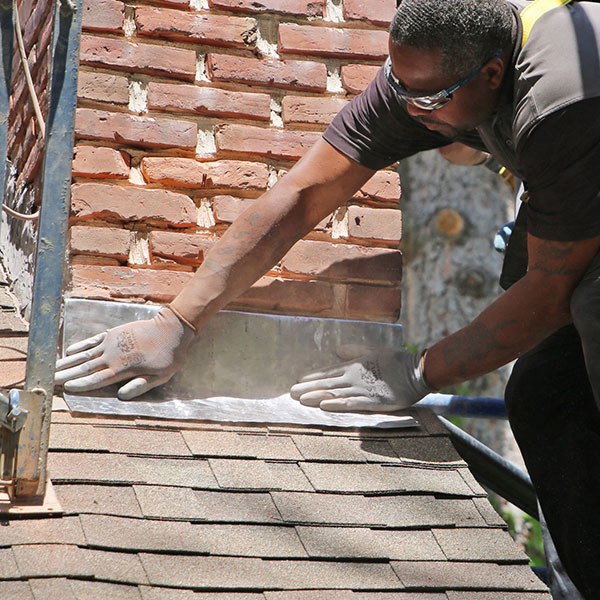
Well, it’s not one of those chirping critters keeping you awake at night. Sometimes referred to as a roof cricket or saddle, a chimney cricket is a triangular structure installed with a chimney flashing to direct water into the roof gutter. If your chimney has one, the cricket is typically made with metal, aluminum, or other water-resistant material.

Why are they important?

The cricket’s ridge and valleys help ensure water drains off the roof when it rains. So, suppose you have a flat area surrounding the chimney flashing (where the stack peaks above the top). In that case, rainwater can pool around the flashing, accelerating its deterioration and damaging the surrounding masonry. When water seeps through the tiny cracks in the flashing, it can cause widespread damage to the internal masonry walls, flue liner, and other components. Moisture intrusion can also rust out the damper and smoke shelf, requiring replacement. A minor investment in a cricket can save thousands of dollars in chimney repairs, replacements, and rebuilding costs.

Is a chimney cricket required?

Not every chimney will need a cricket or saddle. However, according to the National Fire Protection Association (NFPA) Rule 211, the standards and codes certified chimney professionals follow highly recommend installing a cricket for chimneys if the width exceeds 30 inches.

Preventing Water Damage

Even if your chimney doesn’t require a cricket, it may still be a wise investment. That’s because a chimney cricket can do much more than keep soaking downpours at bay. During the winter months, it is not unusual to see snow accumulation on many rooftops in West Hartford, Glastonbury, and surrounding towns.

Chimney Flashing Installation in Hartford CTAn ice dam can form when snow or moisture around the flashing freeze. An inch of that fluffy stuff can add up to 400 pounds on the chimney flashing and roof. And three inches of snow weigh nearly half a ton. That weight can cause considerable damage to your chimney, roof, and home. Additionally, the continuous freezing and thawing that occurs in Central Connecticut winters damage masonry, causing the mortar to decay and bricks to crack, crumble, and spall. Installing a cricket can help protect your chimney from water and ice damage.

Central Connecticut Chimney Inspection & Cleaning

Northeastern Chimney is Greater Hartford and Central Connecticut’s premier provider for chimney inspections, cleaning, repairs, and installations, including crickets. Call (860) 233-5770 or contact us online to consult with a Certified Chimney Sweep®.

The post What Is A Chimney Cricket And Why Are They Important? appeared first on .

This post first appeared on https://www.mychimney.com

What Causes A Chimney Base to Crumble?

The typical chimney takes a lot of abuse from constant weather exposure. Without regular maintenance, it’s only a matter of time before they wear out. Chimney wear and tear isn’t just unsightly; it can compromise its performance and put your family and home at risk. This post examines what causes chimney deterioration, how dangerous it is, and how to prevent it.

Crumbling Chimney Brick in Lees Summit MOWhat Causes Chimney Crumbling?

If you have a masonry chimney, staying on top of annual maintenance and inspections is essential because the damage that leads to crumbling worsens over time and becomes more expensive to fix. Here are the most common causes of chimney deterioration.

Water

Water is a chimney’s worst enemy, especially for people living in areas with heavy rain and snow. Masonry materials like brick and mortar absorb water, which freezes, causing tiny cracks.

Over time, those cracks grow more significant, leading to spalling bricks and loose mortar joints.

Brick Spalling

When the chimney’s bricks’ surface breaks off, it’s called spalling. Spalling typically results from water infiltration that freezes and thaws as temperatures fluctuate in winter. Spalling is dangerous because it weakens the bricks, and if enough of them are compromised, it can weaken the chimney’s structure, leading to complete collapse.

Weak Footing

Sometimes, poor construction can lead to chimneys crumbling. If the footer isn’t deep enough or too thin, it will crack under the chimney’s weight over time. Once it cracks, the chimney becomes unstable, leading to crumbling bricks.

Sinking Foundation

If the foundation sinks, it can cause the chimney to lean, leading to damage. Foundations sink because the soil they’re built on becomes saturated with water, causing it to shift or sink.

How Dangerous is a Damaged Chimney?

Chimney damage isn’t something to take lightly or put off because it poses severe risks to your home and family.

Fire Hazards

According to the [National Fire Protection Association], there were approximately 23,000 chimney fires in the United States in 2018, resulting in ten deaths, 30 injuries, and $125 million in property damage. Although creosote buildup and other obstructions are the primary cause of chimney fires, cracked and crumbling bricks can cause combustible materials to ignite.

Carbon Monoxide Poisoning

A blocked or damaged chimney can prevent carbon monoxide, a toxic gas produced by combustion, from venting correctly. This can result in dangerous levels of carbon monoxide accumulating in the home, leading to poisoning and even death.

Water Damage

Once bricks and mortar joints crack, water can enter the chimney, worsening the situation. If water gets into your house, it can lead to mold and wood rot. Leaky Chimneys that allow water in can cause many types of damage to your chimney.

Structural Damage

A damaged chimney can compromise the integrity of the entire structure. Cracks and settling can cause the chimney to lean or collapse, posing a danger to the occupants, the roof, and nearby property.

How to Prevent Chimney Crumbling

Despite all that bad news, there’s good news; you can prevent most chimney damage by taking these steps.

Schedule Annual Maintenance & Inspections

Scheduling annual chimney maintenance, cleaning, and inspection by a certified professional is essential for identifying and repairing minor issues before they lead to problems like crumbling and deterioration.

Install a Chimney Cap

Chimney caps prevent water, debris, and animals from entering your chimney and wreaking havoc.

Only Use Seasoned Firewood

Burning firewood with too much moisture creates more smoke, increasing creosote buildup. Creosote is corrosive and highly flammable, so it’s crucial only to burn dry firewood to keep your chimney safe.

Don’t Overload the Fireplace

Overloading the fireplace means adding too much wood or other combustible material like trash to burn at once. This creates excessive heat and smoke, increasing wear and tear on your chimney.

Call the Fluesbrothers

The Fluesbrothers are the go-to chimney service company in Kansas City because we do it all.

Professional Chimney Sweeping in Kansas City KS

Whether it’s chimney sweeping, maintenance, inspection, repairs, installations, or anything else, we’re the area’s most trusted full-service chimney and fireplace contractor.

Our technicians are CSIA-certified professionals and undergo constant training to stay up-to-date on the latest techniques and technologies for efficiency and safety. We proudly serve the Kansas City Metro area and beyond. Book an appointment now by calling 913-236-7141 or using our handy contact form to schedule online.

The post What Causes A Chimney Base to Crumble? appeared first on Fluesbrothers Chimney Service.

Wood Burning Fireplace: What Can Be Burnt and Not

Wood Burning Fireplace: What Can Be Burnt and Not by Superior Chimney, Illinois

A variety of items in Illinois are burned in a wood burning fireplace, from proper/improper wood, coal, cardboard, paper and even plastic. Burning the right materials is essential to keeping a safe environment inside the home. The wrong burning materials may cause a terrible smell inside the home, and a contribution to the rising air pollution levels. How can we help reduce the amount of pollution and improve safety inside our home fireplaces?

Burning Plastic Causes Pollution

According to the World Health Organization, 33 out of the 50 most polluted cities in Europe are located in Poland. Upon visiting Poland, it’s apparent that there’s an issue with air pollution. After visiting the clean air of the mountainside in the south of the country, moving only 1-hour north into the most polluted cities, such as Krakow and Wroclaw, is a drastic change. Chimneys pump out thick green and black smoke from their tops, which give the impression of entering a storm. Polish citizens and authorities state that the pollution comes from the burning of plastic in wood burning fireplaces. As gas is not a common way to heat the home in Poland, homeowners’ resort to using these materials to burn. It results in a red, hazy smog that hides the sun for months. Currently, authorities attempt to fix the pollution problem by providing free coal and improvements to gas heating systems. Yet, the fix is slow, and political and financial issues in the country hinder the progress, causing residents to burn even more plastic than in previous years.

What can be burned in a fireplace?

When burning papers, plastics and Styrofoam in a wood burning fireplace, the combustion process releases chemicals that when breathed in, are toxic. If a thick, black smoke is coming from a chimney, it’s a sign that there are plastics being burnt. This residue can stain the home as well. Burning paper also releases toxins, and makes an immense amount of heat. Little scraps of hot paper are likely to float up through the chimney and land outside, potentially causing a fire. Burning coal releases carbon monoxide, a very dangerous and deadly chemical.

Hardwoods and softwoods can both be safely burned in a wood burning fireplace. Hardwoods include walnut, maple, and oak, where softwoods are pine, cedar, and spruce. The wood should have 25% water content or less to be safely burned. If the wood has a green color, it has a high moisture content and cannot safely be burnt. The wood should be cut & seasoned, around 1.5 – 2 years old, and not treated or sealed with any chemicals or paint. When burned, the wood should release a grey-ish transparent smoke from the chimney.

Last notes

Keeping your fireplace cleaned and safe for you and your home is very important. An unsafe fireplace may also harm those around, by causing air pollution and expelling toxins. If you have any further questions about what you can and cannot burn in the wood burning fireplace, the experts at Superior Chimney can help. Keep your fireplace safe by scheduling an inspection with us at Superior Chimney, and call 877-244-6349.

This post first appeared on https://www.superiorchimney.net

Chimney Masonry Repairs

Chimney Masonry Repairs by Superior Chimney in Illinois

With high humidity levels and above normal temperatures, your chimney may be in need for chimney masonry repairs. Normally, Chicago, Illinois is met with a below freezing winter with high winds, low humidity and lots of snow. However, this year’s winter has been unique. This winter in Chicago has been warmer than usual with high levels of humidity. There has been more rain than snow. Water seeping into the porous cracks of a brick chimney is expected to become a real issue when maintaining your chimney the remainder of this winter and upcoming spring. The humidity levels are going to rise with the spring rains. This, along with higher temperatures, will quickly break down the mortar.

What are Chimney Masonry Repairs?

A masonry chimney is made of both masonry and metal materials, such as brick, stone, tile, steel/cast iron, concrete and mortar. All these materials are susceptible to changes in rainy or humid weather due to their porous nature. They act like a sponge. Water freezes and melts based on the varying Chicago winter temperatures, causing the moisture inside porous materials to go through stress from the expansion and shrinking. Additionally, metals become weakened and rusty. How do you know if you need chimney masonry repairs?

You may be able to observe some of this damage if you check your chimney, such as:

  • Cracks in the masonry: Letting these cracks go unfixed cause a buildup of deposits. The chimney should transport the combustion chemicals away from the home. With cracks, the chemicals become trapped, causing a fire hazard.
  • Cracks in the chimney crown: the crown may be crooked, cracked or falling apart.
  • A damaged chimney liner: the chimney liner should help preserve the structure of the chimney and protect it from moisture damage. Any damages may cause water to leak into the chimney.

When to Call Superior Chimney

If you notice any of the above damage to your chimney, you need emergency chimney masonry repairs. Not attending to these repairs only cause further water damage, spreading quickly throughout your chimney. This damage may also cause a house fire. These repairs are recommended to be made in warmer temperatures, but it is possible to also do emergency chimney masonry repairs in winter. It’s possible to prevent this damage by installing rain covers or by waterproofing your chimney.

Even if you are not experiencing any of the damages listed above, it’s beneficial to keep up with the potential damage that this winter may have had on your chimney. It is often difficult to recognize the need for chimney masonry repairs. Superior Chimney’s experts can help identify any hidden or potential problems by giving your chimney an inspection. Our experts can advise on appropriate prevention methods as well. Call to set up your chimney inspection today at 877-244-6349.

This post first appeared on https://www.superiorchimney.net

Why Choose a Wood-Burning Fireplace?

Many homes have the added charm of a wood-burning fireplace. Not much is better than sitting in front of a fire on a cold day in the comfort of your own home! A classic focal point and practical tool, a wood-burning fireplace can actually have benefits over other sourced fireplaces. Read on to learn about the benefits and rewards of using a wood-burning fireplace in your home.

Lower Utility Bills In Cold Months

Fuel costs are rising, so whether you’re using gas or electric heating systems, you’re likely hoping there’s a way to cut down on those costs. Using a wood-burning fireplace can help lower your utility bills in the colder months since a fire does not require electricity, power, or gas. You can use your fireplace to help supplement the heating source you currently use and even add  a radiant fireback to optimize heat output while burning.  Turn your system’s heat temperature down and get some added heat from your fireplace to save some money.

wood burning fireplace

Heating System During Power Outages

Winter storms can impact many aspects of our lives. Road conditions may be poor, temperatures may drop dangerously low, and strong winds can cause damage to property and power lines. During a prolonged, or even a short, power outage, you can’t use your central heating system. Being without power during cold temperatures will cause your home to lose heat. If you have a wood-burning fireplace and dry firewood, you can still warm your home during a power outage! If you’re living in an area where power outages during cold months are common, you can greatly benefit from using a wood-burning fireplace.

Environmentally Friendly Option

Being an environmentally friendly alternative to other home heating sources, a wood-burning fireplace can provide great comfort through warmth in your home and great comfort in knowing you’re not damaging the environment. Waste from burning wood is less taxing on the environment than fossil fuels. Fossil fuels are burned to create electricity for central heating systems, and the burning of these fossil fuels releases more carbon dioxide than wood. Not only does the burning of wood release carbon dioxide, but also living trees, before being cut down and made into firewood, absorb carbon dioxide to survive. Feel better about your warmth by reducing your greenhouse gas emissions.

wood burning in a home fireplace

Easy to Maintain

A tried and true classic, a wood-burning fireplace has great longevity. While you do need to contact professionals if you run into an issue, issues are likely to occur less often than issues with electric or gas heating systems. Aside from disposing of ashes after a fire, a wood-burning fireplace should be inspected once a year. Chimney inspections and cleanings can allow for better home heating by creating a clear passageway for optimal flow. They can also help you ensure you have the proper equipment for your chimney, like chimney caps and dampers to prevent a drafty chimney.

Contact Boston’s Best Chimney for Your Boston, MA Area Wood-Burning Fireplace and Chimney Needs

Boston’s Best Chimney can provide all of your chimney needs. From chimney sweeping to repairs and more, our team of knowledgeable chimney technicians can provide the chimney services you need to maintain your wood-burning fireplace’s benefits. Click here or call (781)893-6611 to schedule an appointment with a technician.

The post Why Choose a Wood-Burning Fireplace? appeared first on Boston's Best Chimney.

What Kinds of Tools Do Chimney Techs Use?

Do you know how many or what tools are needed to conduct a chimney sweeping? Chimney cleaners use various chimney sweeping tools, even some you may not have known were needed for a chimney cleaning! Keep reading to learn what tools are used to clean a chimney and why it’s important to have a professional conduct your cleaning.

Chimney Sweeping Tools

Brush Types

There are many more types of brushes to use during a chimney sweep than most people may have realized. Each type of brush serves a different specific and necessary function.

Wire Chimney Brush

Every chimney sweep uses the most dependable chimney sweep brush—a trustworthy wire brush—to attack difficult-to-reach crevices and corners. These work particularly well for cleaning clay-flued masonry chimneys. This kind of chimney sweep brush might be sufficient to remove the glazed or tarred creosote deposits from a flue, but occasionally you need to use the heavy-duty equipment for chimneys that haven’t been touched by a bristle for a while.

chimney cleaning tools

Polypropylene Brush

An alternative to the wire brush for more delicate chimneys, such as those lined with stainless steel, is a polypropylene brush. A soft poly brush makes sure that the homeowner’s steel liner’s warranty isn’t deemed void due to unnecessary scratching and scuffing.

Smoke Chamber Brush

There are other parts of the chimney that might accumulate creosote in addition to the flue lining. By including the proper smoke chamber brush in your chimney cleaning kit to remove creosote buildup, you can ensure that homeowners won’t be put in danger.

Chimney Sweeping Rods

Sometimes, the brush a chimney cleaner has isn’t long enough to reach all of the crevices they need to clean. When that is the case, they must have a flexible chimney cleaning rod. With a rod that fits many different types of brushes, a cleaning rod can be used universally on brushes as an extender to reach everywhere within the chimney.

Chimney Cleaning Agents

When brushes aren’t enough, a professional chimney cleaner would resort to chimney cleaning agents. The walls of the flue lining can become severely coated with soot and creosote deposits, therefore experts know to use tried-and-true chimney cleaning products that have been shown to remove even the thickest layers of creosote. When standard cleaning techniques fall short, these high-grade chemical cleaners remove glazed creosote.

Industrial-strength chimney cleaners provide a speedy, safe solution without breaking the bank or requiring you to scrub for an eternity. To avoid hazardous emissions compromising the air quality of the household, choose a cleaning chemical that is non-toxic and environmentally friendly.

chimney cleaning

Ceramic Glass Cleaner

Not all fireplaces and chimneys are constructed using the same types of common building supplies. You must use a cleaning solution made for ceramic glass when you come across it. You can remove creosote or soot buildup from the ceramic glass itself and prevent further formation by using a conditioning liquid for fireplaces and grills.

Powder-Based Creosote Remover

Professional chimney cleaners continue to favor A.W. Perkins Co. Creosote Remover when looking for a chemical cleaner that is effective with airtight fireplaces. Modern homes frequently have zero-clearance fireplaces, which are typically constructed with a metal flue. By eliminating any buildup of soot and ash, a powder-based mixture will enhance the fireplace’s overall function while also improving ventilation.

Call Boston’s Best Chimney for Your Next Chimney Cleaning

As you can tell, a lot goes into chimney cleaning, including knowing what chimney cleaning tools to use. Boston’s Best Chimney’s technicians are highly knowledgeable with years of experience. They know all the right chimney cleaning tools to use so that you don’t have to worry about it all. Get in touch with us to schedule your chimney cleaning here or give us a call at (781) 893-6611.

The post What Kinds of Tools Do Chimney Techs Use? appeared first on Boston's Best Chimney.

What Causes Internal Chimney Deterioration?

“Internal chimney deterioration” is a diagnosis that any homeowner dreads hearing. It usually means that extensive repairs will be needed for safe function. Today, we’ll discuss what typically causes internal chimney deterioration, along with signs that your chimney is deteriorating and ways to prevent this from happening.

Do you suspect that your chimney is deteriorating inside? Our team would be happy to inspect your chimney for damage. If you are located in the Greater Boston, MA area, don’t hesitate to click here or call (781) 893-6611 to get in touch with us.

Now, we’ll dive into the specifics of chimney deterioration. 

inspected chimneyWhat Causes Internal Chimney Deterioration

Chimneys usually corrode from the inside out as a result of heating flues being exposed to constant usage throughout the winter. The heat exhaust and moisture from fuel combustion takes a toll on the flue, ultimately causing internal deterioration.

Signs Your Chimney is Deteriorating

If your chimney is showing signs of deterioration on the outside, it is probably worse on the inside. Some external signs of deterioration include: 

  • Soot stains
  • Poor draft
  • Debris in the chimney
  • No more hot water
  • Heating equipment not properly working

If you are seeing any signs of damage, don’t hesitate to contact our team to discuss measures to take.

man repointing a chimneyHow to Prevent Chimney Deterioration

  • Have your chimney inspected and swept annually.  Regular maintenance will help keep it in top shape and help prevent chimney issues, such as deterioration. 
  • Waterproofing your chimney will protect the bricks from absorbing water. 
  • Installing a chimney cap will keep rain out the chimney, slowing internal decay
  • Ensuring that your chase cover is in good order will also keep precipitation out of your chimney

For more chimney flue care tips, check out our chimney flue guide.

Need Assistance with Your Chimney? Contact Best Chimney Services

If your chimney needs an inspection, sweep, or other service, get in touch with our team. We are an all-service chimney company with over thirty years of experience and we’re ready to serve you! 

The post What Causes Internal Chimney Deterioration? appeared first on Boston's Best Chimney.

Our Winter Home Maintenance Checklist

Winter weather in New England is cold and wet, which can take a toll on your home. Thankfully, there are winter maintenance checklist items that can help ensure that your house stays in great shape throughout these harsh months. Today, we’ll share our top winter home maintenance tips with you, including some winter chimney care tips. 

Here are some ways that you can better maintain your home and chimney this winter.

Get Your Chimney Inspected and Swept

When was your last chimney inspection? Your chimney needs to be inspected annually to make sure that it is not threatening your family with carbon monoxide poisoning or as a fire hazard. Chimney inspections will also help ensure that your fireplace is working efficiently and not causing energy loss in your home.

Similarly, your chimney should be inspected once a year and swept as needed to remove soot and creosote build up, which becomes unsafe if unaddressed. We recommend hiring a CSIA certified chimney sweep for the job to ensure that your technician has undergone extensive training and is fit for the job.

If you are looking to have your Boston, MA area chimney swept or inspected this winter, click here or call (781) 893-6611 to contact our team!

home chimney in the winterCheck for Gaps Around Your Doors and Windows

Spaces around the windows and doors of your home can let cold air in and make your house drafty and uncomfortable. That is not to mention the energy loss that will occur as your heating system tries to keep your chilly house warm. Stand near your doors and windows this winter to see if you feel drafts coming from them and if you do, check for small gaps. You can add caulking to your doors and windows or weatherstrip your windows to close these gaps if needed.

Replace Your Smoke Detector and Carbon Monoxide Detector Batteries

We recommend changing your smoke detector and carbon monoxide detector batteries twice a year. Winter is a good time to either check or replace the batteries, since it is when you will be using your fireplace and keeping your windows closed. Check out our fire safety checklist for more tips on keeping your fireplace secure.

Clean Out Your Dryer Vent

Clean out the lint filter and the lint vent of your dryer regularly year round, but especially during the winter when your dryer is likely being used more. Failing to do so can cause a fire in your home. The National Fire Protection Association reported the following:“In 2010-2014, U.S. fire departments responded to an estimated average of 15,970 home structure fires involving clothes dryers or washing machines each year. These fires caused annual averages of 13 civilian deaths, 444 civilian injuries, and $238 million in direct property damage. The vast majority of fires (92%) involved clothes dryers.” Cleaning out your dryer vent is a quick and simple step that you can take to prevent major issues.

winter home maintenanceGet a Chimney Cap

Do you have a chimney without a cap? We highly recommend having a chimney cap installed this winter if you do not already have one. During the winter, having a chimney cap will keep animals from hibernating in your chimney and prevent snow from entering into your chimney. If you’d like to learn more, take a look at our chimney cap guide for more information.

Take Care of Your Home This Winter

Make sure that your house is taken care of during the long winter months by following some of our winter home maintenance tips! If your home has a chimney and you are located in the Greater Boston, MA area, don’t hesitate to contact our team for your chimney needs. We look forward to using our more than thirty years of experience to serve you!

The post Our Winter Home Maintenance Checklist appeared first on Boston's Best Chimney.

(877) 959-3534