No Short Cuts When It Comes to a Wood Burning Fireplace
There’s nothing more beautiful, warm and inviting than a
wood burning fireplace. It’s frequently featured in family pictures and is
often the center of attention in a home. That’s because a wood burning
fireplace is special. Some enjoy watching the flames and listening to the
crackles of the burning wood. Others enjoy tending to the fire, often picking
up the poker to adjust the log by an inch. Children often lay in front of the
fireplace to feel its warmth.
As much attention as we give a fireplace, it’s critical to
place the same amount of devotion to the care of wood burning fireplaces. On
our website,
we report on chimney
fires. Our intention is to educate and prevent fires, injury and damage to
your family and home. In the month of December, there were over 70 fires
reported in the online news, a few were right here in Park Ridge, Deer Park and
Libertyville.
Common Cause & Prevention of Chimney Fires
Last article
or post, we (and Santa) talked about keeping holiday wrappings and the
Christmas tree away from the fireplace as they both are highly flammable. We’ve
also talked about the build-up of creosote for good
reason. It’s the most common cause of chimney fires. So, how can you keep the
build-up of creosote to a minimum? Here are a few tips:
- Have Superior Chimney clean and check your
fireplace and chimney each year - Keep the damper
open to allow proper airflow - Minimize the amount of wood burning in the
firebox at one time - Use seasoned wood, as it removes moisture
allowing for a better and safer burn
What are the Signs of a Chimney on Fire?
Superior Chimney is often asked, “How do I know if my
chimney is on fire?” This is a great question. If you know what to
listen…look…or smell for, that can help.
- Listen: the fireplace can have a loud crackling
sound or a popping sound. It may even sound like a freight train or an
airplane. - Look: the chimney can have flames shooting out
from the top, or lots of dense smoke entering your home. - Smell: the fireplace can have a hot intense
smoky, bad smell.
It’s true that the article talked about prevention before
the signs of a fire, and it’s for a good reason. Superior Chimney wants you to
get the most enjoyment from your wood burning fireplace in the safest way
possible. So if you haven’t cleaned your
fireplace and chimney yet, now’s the time to get it done so you can ring in
the New Year with family and friends by the fireplace…safely.
This post first appeared on https://www.superiorchimney.net

 Gas
Gas Do you want to update your fireplace or add a new fireplace in your home? When you buy an EPA-approved fireplace, you are getting an efficient heating appliance that can help you cut your winter utility costs. Zero-clearance fireplaces can be installed in virtually any room of your home. Below, learn about a great way to upgrade your fireplace and also possibilities for new, modernized fireplace installations.
 A New Fireplace Installation
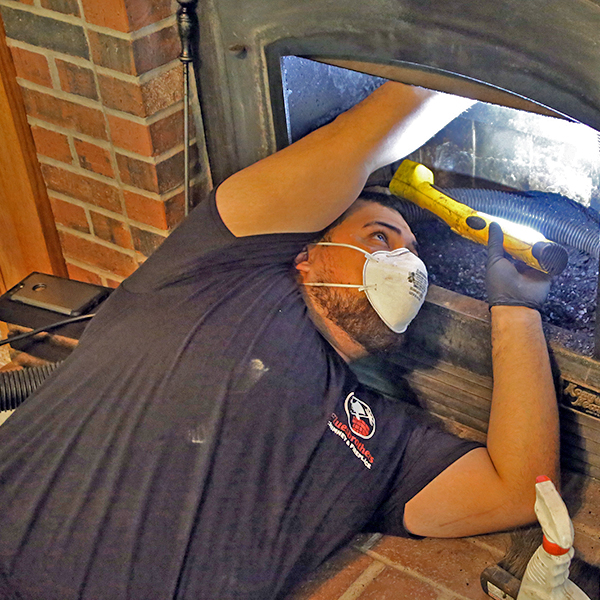 As solidly as chimneys are constructed, if regular care and maintenance are neglected, they easily can become hazardous. If you have a home with an active fireplace, here are a few tips on how to care for your chimney.
 Annual chimney sweep
 A fully functional chimney is a safe chimney. A damaged chimney can be dangerous. Fortunately, you can spot many signs of
 Issues inside the flue
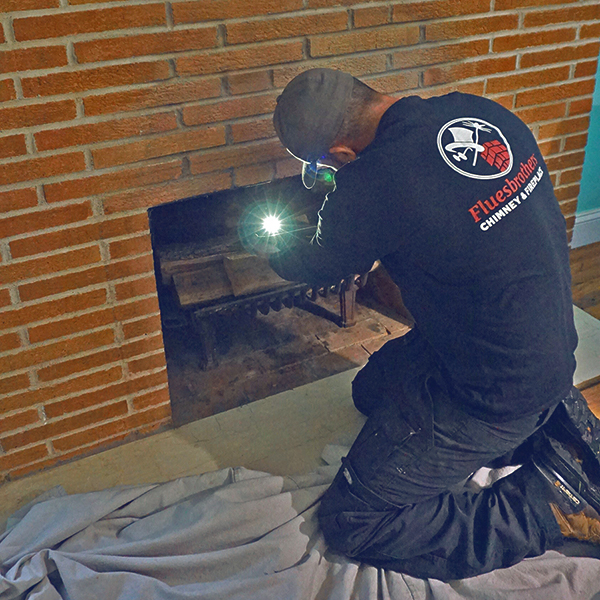 Winter can be a beautiful time of year. But it can also be a turbulent time for your fireplace and chimney. Years of exposure to the constant rain, sleet, and snow can damage even the most well-built chimneys. Fortunately, there are several steps you can take to prepare your fireplace, heating stove and chimney to weather the dangerous winter storms that may lie ahead.
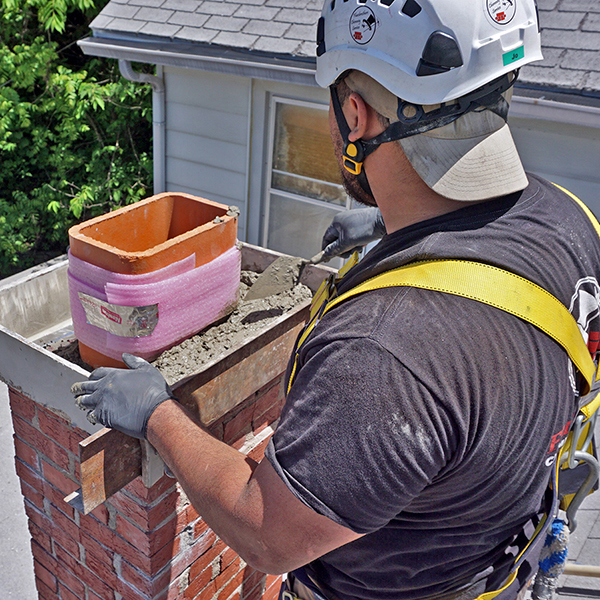 Masonry Repairs & Waterproofing
 If there is ever a time that you have no heat or hot water, you might be surprised to know that most boilers and furnaces, regardless of the fuel, vent through the chimney. The purpose of the chimney is to carry the flue gasses and exhaust up and out, so it doesn’t vent into the living spaces. As a safety feature, when the boiler or water heater can’t do that, it shuts down.