How to Prepare Your Fireplace for Dangerous Winter Storms
 Winter can be a beautiful time of year. But it can also be a turbulent time for your fireplace and chimney. Years of exposure to the constant rain, sleet, and snow can damage even the most well-built chimneys. Fortunately, there are several steps you can take to prepare your fireplace, heating stove and chimney to weather the dangerous winter storms that may lie ahead.
Chimney Inspection
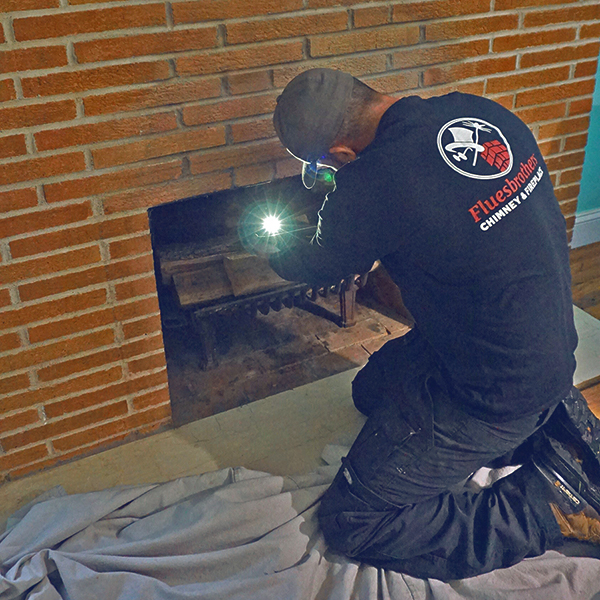
If you haven’t done so already, now is the time to get a chimney inspection. Hiring a chimney professional for a chimney inspection is vital to make sure your fireplace, heating stove, and chimney are ready for any dangerous winter storms that might occur during the season. The examination will reveal if any repairs need to be made, especially to vulnerable areas like the flashing and chimney crown, where water leaks commonly occur. If your chimney has spalling, leaking, rusting, a damaged crown, or other issues, a winter storm can worsen the problem leading to more extensive repairs after the storm. The inspector will also advise if you need chimney cleaning to remove any obstructions or excessive creosote.
Chimney Cleaning
It would be best if you also had a professional chimney sweep clean your chimney. The chimney sweep will remove the soot, ash, and creosote that has been accumulating in the chimney and fireplace. An accumulation of 1/8″ or more of creosote is a fire hazard and should be removed, according to the Chimney Safety Institute of America (CSIA). The chimney sweep will also remove any leaves, pests, and other obstructions in the flue that could interfere with the venting of dangerous fumes. Also, high winds from winter storms can create a dangerous downdraft. The sudden gust of wind can push soot and ash through the fireplace and onto the flooring, furniture, and nearby objects. So, it’s a good idea to clean your chimney ahead of any winter storms.
 Masonry Repairs & Waterproofing
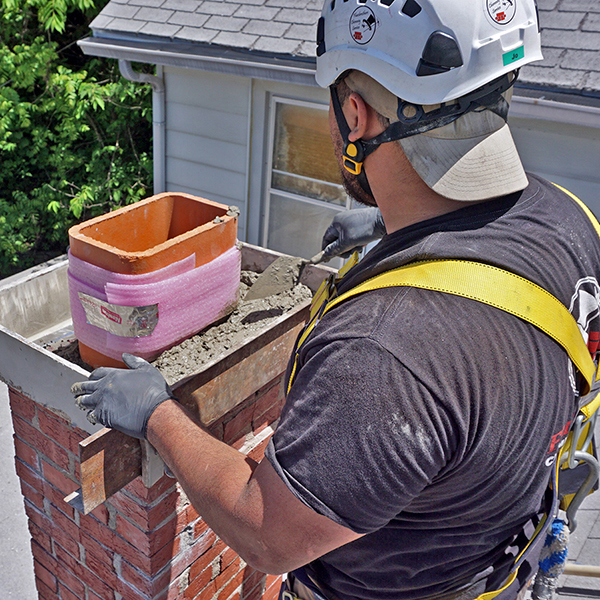
Because of aging and years of exposure to snowy and rainy conditions, it is not uncommon for chimneys to have some signs of weather damage such as cracked or missing bricks and deteriorated mortar joints. This type of chimney damage should be repaired before approaching winter storms. It is a primary source of water leaks and left unrepaired will only continue to worsen. Severe masonry damage can even cause structural problems. Once masonry repairs are made, ask your chimney professional to apply a waterproof sealant. It will provide additional moisture protection during winter storms.
Replace Worn Damper
The chimney damper is supposed to form an airtight seal when closed. If it doesn’t close tightly, rain, snow, and debris will get inside the flue where it can cause water damage to interior masonry and rust internal components. It also helps prevent drafts and wasted energy when the fireplace is not lit. Replace worn or corroded dampers promptly.
Install a Chase Cover and Chimney Cap
The chimney crown is the uppermost portion of the chimney that bears the brunt of any winter storm. When cracks develop in the surface, water can leak into the interior walls of the stack. Installing a chase cover will protect the cement surface of the chimney crown and provide the chimney with additional moisture protection. A chimney cap should also be installed. A chimney cap is like an umbrella for the flue. It helps prevent moisture, pests, and debris from damaging or obstructing the flue while allowing smoke and exhaust to vent. Chimney caps should have a wire mesh screen that contains a spark arrestor to prevent flying embers from starting a fire on the roof.
The post How to Prepare Your Fireplace for Dangerous Winter Storms appeared first on Fluesbrothers Chimney Service.

 If there is ever a time that you have no heat or hot water, you might be surprised to know that most boilers and furnaces, regardless of the fuel, vent through the chimney. The purpose of the chimney is to carry the flue gasses and exhaust up and out, so it doesn’t vent into the living spaces. As a safety feature, when the boiler or water heater can’t do that, it shuts down.

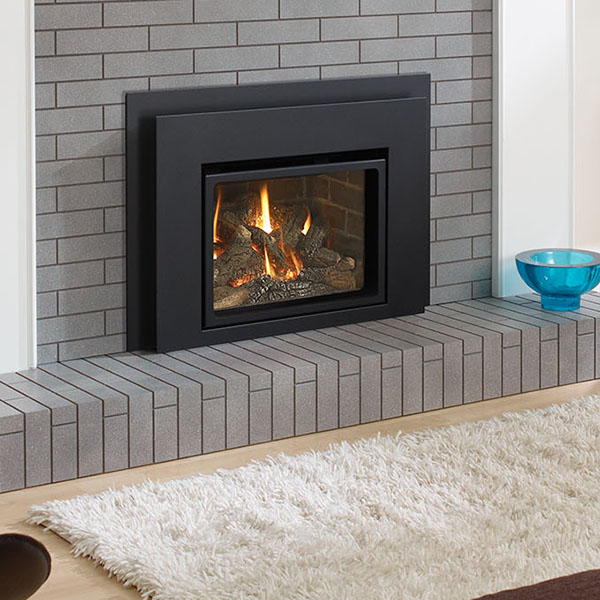 Gas fireplace inserts
 When you prepare to use your wood-burning fireplace, it is important to first think of safety. Your home and family can be in danger if chimney cleaning and other types of
  Chimney Repair
 Types of Gas Appliances