Clean-Burning & Long-Lasting Fires
 A lot of times when fires in a fireplace are less than spectacular – when they’re too smoky, don’t last very long, produce excess soot and creosote – it’s not the fault of the fireplace. Often, the only problem is the wood that’s being used.
Not all firewood logs are the same. They look pretty similar, but it’s what’s underneath the patterned bark that makes all the difference. Here are a few things to know when choosing firewood for clean-burning, long-lasting fires.
-
Select dry wood
Seasoned, or dry, wood logs burn hotter and more efficiently while creating less smoke than wet, unseasoned wood. Plus, they ignite easier and hold their flames longer.
Fires that produce tons of smoke also produce quite a bit of flammable creosote, which sticks to the walls of the flue and can lead to a chimney fire. In fact, most chimney fires happen because homeowners neglect to have their chimneys properly cleaned and inspected on an annual basis.
Dry wood logs have certain characteristics:
- Grayish or dark color
- A hollow sound when you bang two logs together
- Lightweight, not too heavy
- Cracks/splits at the ends of the logs
- Bark that easily flakes away .
Store your logs the right way
 Logs stored outside should be set on some kind of small riser/pallet to keep them off the damp ground. Cover the stack with a waterproof tarp, but leave the ends open so air can circulate within the logs and aid in the drying process.
-
Give your fire what it needs: air
Air (oxygen) is a key component in creating fire. For a fire to build to roaring proportions, a sufficient amount of air is required. Accomplish this by not stacking logs too tightly together in the firebox.
Additionally, make sure the house has some circulation (crack a window, if necessary), and keep your chimney free of obstructions and built-up creosote to ensure plenty of draft.
Important note: Chimney cleaning is not a job for the average homeowner. The best choice for this work is a professional chimney sweep who is licensed, insured and certified through the Chimney Safety Institute of America (CSIA). This ensures that the job will be done right and safely.
-
Choose the right logs for the desired burn time
Logs from hardwood trees will burn longer and hotter than logs from softwood trees.
Hardwoods include:
- Maple
- Oak
- Beech
- Hickory
- Alder
- Walnut
Softwoods include:
- Douglas fir
- Cedar
- Redwood
- Juniper
- Pine
- Spruce
If you chop your own firewood . . .
After chopping your own wood, exercise patience in the drying process. Depending on the density and moisture, freshly chopped wood can take between six months and a year to fully dry out. Plan accordingly as you build up your supply from season to season.
High’s Chimney Service of Gaithersburg, MD, believes every home should have a stunning fireplace to enjoy during the cold weather and at other times. Part of that enjoyment comes from a fireplace and chimney that are clean and in tip-top shape. Let us help you keep your fireplace or stove working right. We offer certified chimney sweep, chimney inspection, fireplace, stove and chimney repair and all related services. Give us a call today at (301) 519-3500.
The post Clean-Burning & Long-Lasting Fires appeared first on Highs Chimney.
 When the weather turns colder, cozying up to the warmth of a crackling fire in the fireplace is something many homeowners enjoy. But not everyone looks forward to lighting it. If this sounds like you, then you’re in luck. The following guide will show you the right way to light a fire in the fireplace and keep it lit.
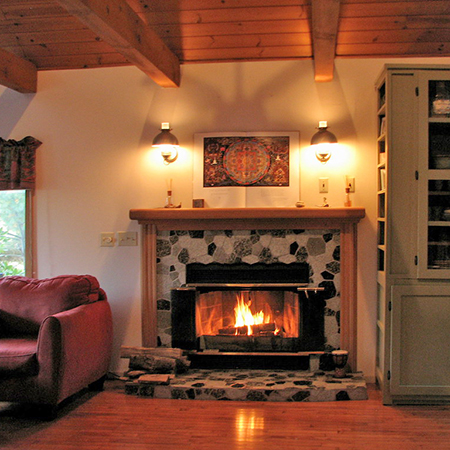 Warm up the flue. You can light your fire without warming the flue, but you could experience a draft where smoke may flow back into your home. To warm the flue, light some rolls of newspaper and hold them up inside the flue for around ten to fifteen seconds. It will also reduce air pressure, and oxygen will flow more smoothly.

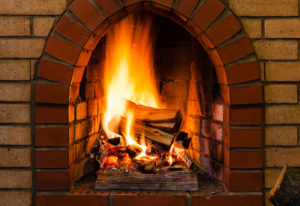 When a fire burns in your fireplace it constantly produces soot and creosote and deposits them into the chimney flue. Soot is merely carbon, harmless unless it’s allowed to buildup and cause an obstruction. Creosote is produced when organic materials are burned and is made up mostly of tar, a sticky, flammable substance. It builds upon itself until a significant buildup occurs, slowing the flow of air through the flue. As efficiency drops, the buildup worsens and hot air begins to stall in the system. As temperatures increase, the creosote boils and the water evaporates leaving a concentrated, hardened mass when the creosote cools. This buildup called “glazed creosote” is highly flammable, obstructs airflow, and is difficult to remove. Because of this, creosote should be removed before it reaches 1/8 inch in thickness. A standard chimney sweep can remove creosote, but glazed creosote requires a special industrial solvent that transforms the creosote as it’s absorbed.
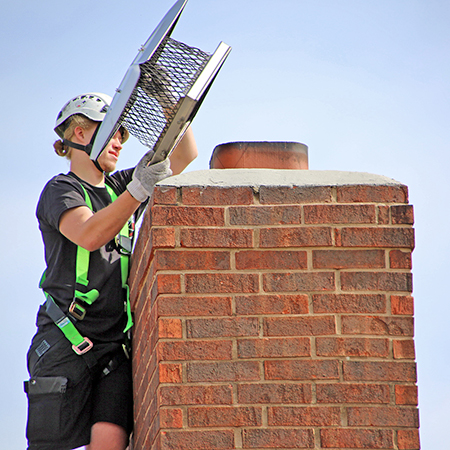 The
The 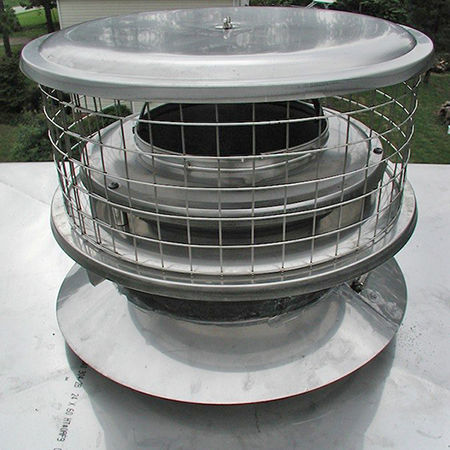 You should also replace the chimney cap when it begins to rust or corrode. The continuous exposure to moisture, creosote, and other contaminants can result in rust or corrosion and weaken its effectiveness. When the chimney cap is heavily rusted, it can easily rip apart. Even small animals looking for shelter can force their way through the weakened mesh and obstruct the flue.
 The quintessential wood stove is an indispensable source of heat for many homeowners, especially in older homes built before the arrival of central air. And since modern wood stoves are more environmentally friendly than ever before, they have grown in popularity. But whether you use a wood stove for primary or supplemental heating, you need to make sure you are operating the appliance safely.
 The stovepipe vents the smoke and fumes in the wood-stove out through the chimney. It is unsafe to use a stovepipe without connecting it to an approved chimney system. A combination of high temperatures along with CO2 gases along with creosote buildup inside the stovepipe can start a fire. Periodically cleaning the stovepipe and ensuring it is correctly vented to the chimney reduces the risk of fire and carbon monoxide poisoning.
 Today’s wood stoves make elegant and useful additions to any home. They’re efficient and beautiful and give you years of performance. You can enhance the performance and safety of your wood heating stove by following these seven tips.
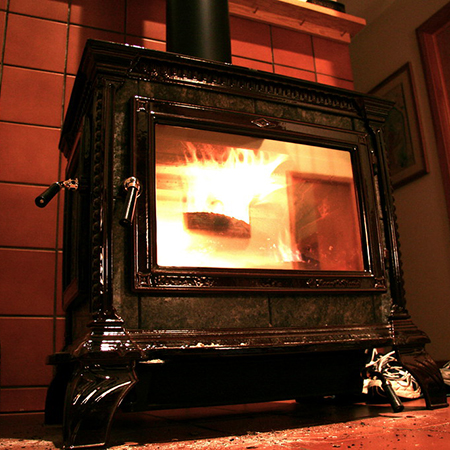 The primary maintenance job with a
  We suggest that every household establish a family emergency action plan, discuss escape routes with family members, and locate fire extinguishers in your home. Additionally, you can conduct a mock fire drill with your family members to ensure you and your loved ones know how to get out safely. During this drill, outline meeting places that are at a safe distance from the home. Designate a neighbor to contact for help in the event of an emergency.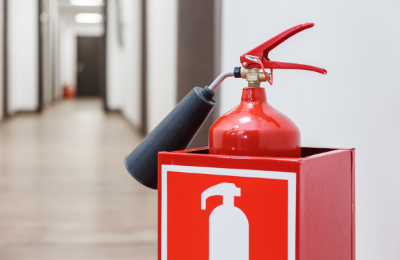
 Home and work should have access to a list of emergency contact phone numbers in case of emergency. Remember that human nature is to panic in emergencies; therefore, basics such as important phone numbers and building floor plans should be posted on or with the emergency action plan.