October is National Fire Prevention Month! Here’s What You Need to Know.
According to the National Fire Protection Association, seven people die every day from home fires – taking more lives each year than all other natural disasters in the U.S. Fire Prevention Month helps educate families about the dangers of fires, how easy it can be for fires to start, and how much easier it can be to prevent them.
This October, we invite you to learn about better ways to prevent fires, including methods such as inspecting your heat sources, maintain your electrical cords, and updating your smoke alarms.
 We suggest that every household establish a family emergency action plan, discuss escape routes with family members, and locate fire extinguishers in your home. Additionally, you can conduct a mock fire drill with your family members to ensure you and your loved ones know how to get out safely. During this drill, outline meeting places that are at a safe distance from the home. Designate a neighbor to contact for help in the event of an emergency.
Simple exercises such as these could mean the difference-maker in your family, even making it out alive in the event of a fire in your home.
Fire safety awareness in the workplace is crucial as well. Review your emergency action plan, communicate supervisory roles, and walk evacuation routes with your team. October is the perfect time to conduct a fire drill before a real-life event occurs. Ensure nobody is left behind, and all are in tune with the life safety route!
Here are the critical components to ensuring your home and workplace are fireproof:
Eliminate Clutter
Clutter can easily become a fuel source in the event of a fire, allowing a fire to spread quickly. Furthermore, clutter can restrict access to emergency equipment and exit routes.
Inspect your Fireplace and Heating flue
Third-degree creosote buildup is highly flammable. Regular maintenance on your chimney and flue is imperative for fireplace and heating exhaust venting.
Designate Smoking Areas
Permit smoking only in designated smoking areas and provide means for extinguishing smoking materials safely.
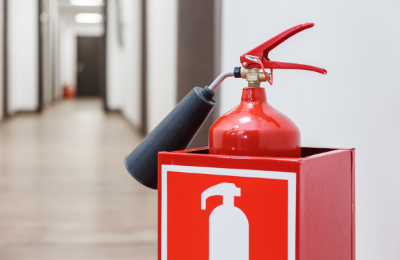
Fire Extinguishers
Maintain the appropriate type and number of fire extinguishers. Conduct monthly and annual extinguisher inspections to ensure they are in good, working condition. Provide training for employees on the correct use of fire extinguishers.
Chemical Safety
Use and store chemicals safely. Read hazard warning labels and safety data sheets to determine flammability and other fire hazards. Ensure your chemical storage areas provide adequate ventilation for the storage of chemicals or other hazardous substances.
Waste Control & Storage
Limit the accumulation of flammable or combustible materials and residues to prevent the risk of such materials contributing to a fire emergency.
Contact Information
 Home and work should have access to a list of emergency contact phone numbers in case of emergency. Remember that human nature is to panic in emergencies; therefore, basics such as important phone numbers and building floor plans should be posted on or with the emergency action plan.
We want to remind you to test your smoke detectors to be sure they’re functioning properly.
Try to remember to test your smoke detectors monthly and replace them accordingly. Be sure to check the expiration date! They should be changed out immediately if they have expired.
It is much better to be proactive rather than reactive, and it is best to put these preventive tactics in place now and not end up in crisis mode.
Wishing you safety and warmth,
The Team at Boston’s Best
The post October is National Fire Prevention Month! Here’s What You Need to Know. appeared first on Boston's Best Chimney.
 Within the fireplace and chimney services industry, the 2016 scuffle between the Chimney Safety Institute of America (CSIA) and Angie’s List is fairly well-known. For those of you not familiar with the issue, here’s the thumbnail version.
 Individuals who hold these and other high-level certifications have demonstrated that they understand the multiple elements of a chimney’s operation and structure and have shown specific expertise in using the tools and equipment that are industry-standard in cleaning chimneys.
 Getting the most out of your fireplace and the wood you burn in it is easy, if you follow these six tips on efficient and safe
  Clean, unfinished wood and small amounts of newspaper are the only items that should burn in your fireplace. Never use the following:


 Getting a long and efficient life out of your wood stove and keeping your home and family safe when using it are important to every wood stove owner. Here are five operational and safety tips to follow for the best experience with your wood stove.
 More of a concern than built-up creosote inside your stove is the creosote that builds up inside the vent pipe, which you can’t see. Creosote forms when smoke is burned and can be flakey, sticky or hard within your flue pipe.WFD
 When the heat of summer is still bearing down and autumn is on the horizon, it’s the perfect time to prepare your fireplace and chimney for the cooler temperatures to come. As early as September but definitely by October, appointments with reputable chimney sweeps like the experts at Northeastern Chimney fill up quickly. Schedule an appointment for a
  There are three levels of chimney inspections, and the details of each are outlined by the Chimney Safety Institute of America (CSIA).
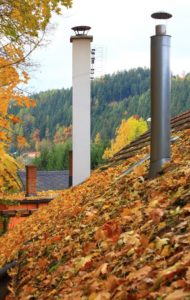 Without a chimney cap, your flue opening is left wide open so that anything can fall or climb right into it. If you have trees hanging above your house, the leaves and limbs can fall directly into your flue, obstructing airflow and leading to serious fire hazards. The cap also protects your chimney from other hazards.
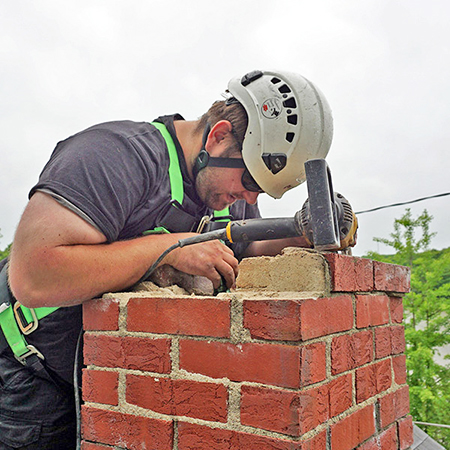 Now that summer is over and we start moving toward the cold season, make sure to add
 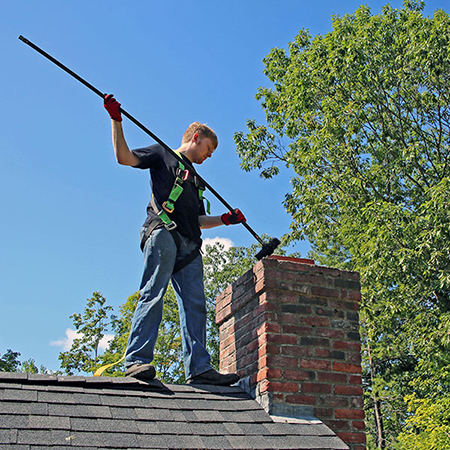 If you notice any of the following, don’t wait for your annual chimney inspection. Call your chimney sweep company right away.