Chimney Contractors: 4 Things You Should Know When Buying A House With A Chimney

The idea of snuggling up to fire on a cold evening is exciting. Unfortunately, you can’t enjoy the fire if the chimney is unsafe. Is this the first time you are buying a house with a chimney? Here are 4 things you should know as given by chimney contractors:
You have to inspect the chimney
Regardless of how beautiful and well maintained the house looks, you will need to check the chimney for any signs of deterioration and fix them. You can’t effectively inspect the fireplace if you have never done it before—you need to hire a professional to do it for you. Hire a chimney expert who will provide you with all the three levels of chimney inspection without any problem.
Only consider buying the house after you have determined that the house is free of any severe signs of deterioration.
You may have to install a chimney cap
Most houses lack a chimney cap which is not only integral to the overall look of the chimney; it’s also a safety feature. When you are buying a house, if you see the top of your chimney is a round pipe or clay flue, it means the fireplace doesn’t have a chimney cap, and you will have to install it.
A chimney cap has many roles:
- It prevents rain from pouring straight into the chimney leading to flue damage and damper rust
- Keeps unwanted critters from getting into your house
- Prevents dead animal smell from getting into the house
- Acts as a spark guard where it prevents loose sparks from starting fire on the roof.
Hire a chimney expert to install the chimney cap.
You need to clean the chimney
If people were living in the house, chances are that they didn’t clean the house before they left. Dirty chimneys are a ticking time bomb. As wood burns, it produces smoke that sticks on the chimney surfaces. If you allow the residue to build up, it produces creosote that is highly flammable and puts your chimney at the risk of a chimney fire.
After inspecting the chimney and determining no signs of severe deterioration, you should now go ahead and clean it. Have the fireplace cleaned by an experienced chimney cleaning services provider.
Chimney cleaning is messy, strenuous, and consumes a lot of time. Experts are not only accustomed to withstanding the mess, but they also have the right tools; therefore, they complete their work fast and with precision.
Even if you are buying a new house, you will need to clean it. Many home buyers have the impression that they don’t have clean the chimney as no one has ever lived there before.
Even if no fire has been lit there, if the house has been in the market for a long time, animals and birds might have built nests in it. Some birds and animals might also have died up there. This leads to a chimney blockage that puts your house at the risk of fire.
The chimney technician you hire will remove the dead animals and birds and their nests.
You need to learn how to use and maintain the fireplace
As a new chimney owner, you need to learn how to use and maintain the fireplace properly. If you have never used a chimney before, you need to know the right fuel to use. If using wood, go for seasoned wood that has been air-dried for at least six months.
If you see inserts in the fireplace, you need to know what type they are and how to use them.
You need to clean the chimney regularly. At least once a year, ask an experienced chimney sweep Annapolis to inspect the chimney and if dirty clean it. Don’t go for cheap contractors as they often don’t clean the fireplace as well as they should, which puts the house at the risk of catching fire.
While the chimney makes a house feel like a home, it poses serious safety issues; therefore, you need to equip it for fire safety. Every floor, including the sleeping areas, should have smoke and carbon monoxide detectors that you should regularly inspect and replace their batteries.
This post first appeared on https://www.firstclasschimneyservices.com

 A chimney flue is the narrow passageway in a chimney through which combustion byproducts travel from fires to the out-of-doors. The construction and operation of the entire chimney system should accommodate a proper draft so that smoke and toxic fumes exit through the flue as they are supposed to. When a new appliance is added, such as a fireplace insert, a new chimney liner may be required in order to ensure a proper draft. There is a standard formula that determines flue size and it encompasses measurements of fireplace and the proper ratio for a chimney flue.
 Most chimney professionals recommend stainless steel chimney liners because they typically don’t require replacement within a lifetime and many come with a lifetime warranty. Stainless steel chimney liners deemed safe for home use have been accepted by the Chimney Safety Institute of America (CSIA) as long as they are installed properly.
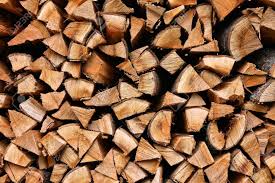 There’s nothing like Fall in New England. The beautiful colors of turning leaves and crisp cool nights by the fireplace. Whether it’s gathering around with friends or family or finding some quiet time to read, fireplaces are used as a meeting spot to unwind.



 When it comes to chimneys, it is our personal and professional goal to make sure all of our customers are safe and comfortable this winter. We strive to further this goal by providing expert services to maintain and restore chimney systems to safety and efficiency. One of the most common services that older chimneys require at least once in their lifetime is a flue liner repair or replacement. At Billy Sweet Chimney Sweep, we trust HeatShield for liner repairs—big and small.
 A chimney that’s in good repair is a chimney that does its job safely and efficiently. When damage or other problems develop within the chimney system, the best move is to arrange for a professional inspection and then
  External damage to the bricks and mortar of a chimney is fairly easy to spot: cracks are obvious, bricks are loose, often there are patches of crumbling scattered around on the roof. Various approaches can be used to repair damaged masonry such as:
 Chimneys can be confusing structures when something goes wrong with them. Questions arise such as “Why is this happening?” “Did I cause it?” and “How do I go about getting the problem fixed?” Before you panic, keep two things in mind:
 Solution: Have your chimney modified by an