We’ve had enough of Winter. Are you ready for some Spring temperatures? Spring is the wake- up call to nature. The grass begins to show hints of green, daffodils growth peek from the ground and chimneys show their cracks. All of these things will begin to happen regardless if the days are warmer and the nights are ice cold. Chimneys are unlike nature, it reacts to the temperature swings with expansion and contraction of the chimney masonry materials. How does it work and what can be done about it? Let’s take a closer look.
Spring Expansion and Contraction Cracks Chimney Masonry
Chimney masonry is a porous material that gets affected by the warmth of temperatures, which causes the material to expand, and when night time comes and temperatures cool or get cold, the material contracts. This accordion like movement weakens the chimney masonry material and forms small, hairline cracks to much larger ones allowing for weather elements like snow and rain to enter the chimney system.
As the elements settle into the cracks, combined with the expansion and contraction, it erodes and breaks the materials causing issues with the integrity of the chimney. Not only does it let in water, ice and snow, it also can create damage to the inside of your home in the form of water leaks.
Early Detection and Correction
Now that it is Spring, this is the perfect time to schedule your chimney inspection. Now that we know how weather elements cracks chimney masonry, what can be done about fixing the issue.
Start by getting a chimney inspection. A certified chimney technician will visit your home to clean and check the fireplace, chimney flue, and the exterior chimney. There are numerous areas in each of the three sections that the technician inspects, but let’s focus on the exterior chimney in this article.
Superior Chimney has a team of chimney masonry professionals that specialize in repairing chimney masonry.
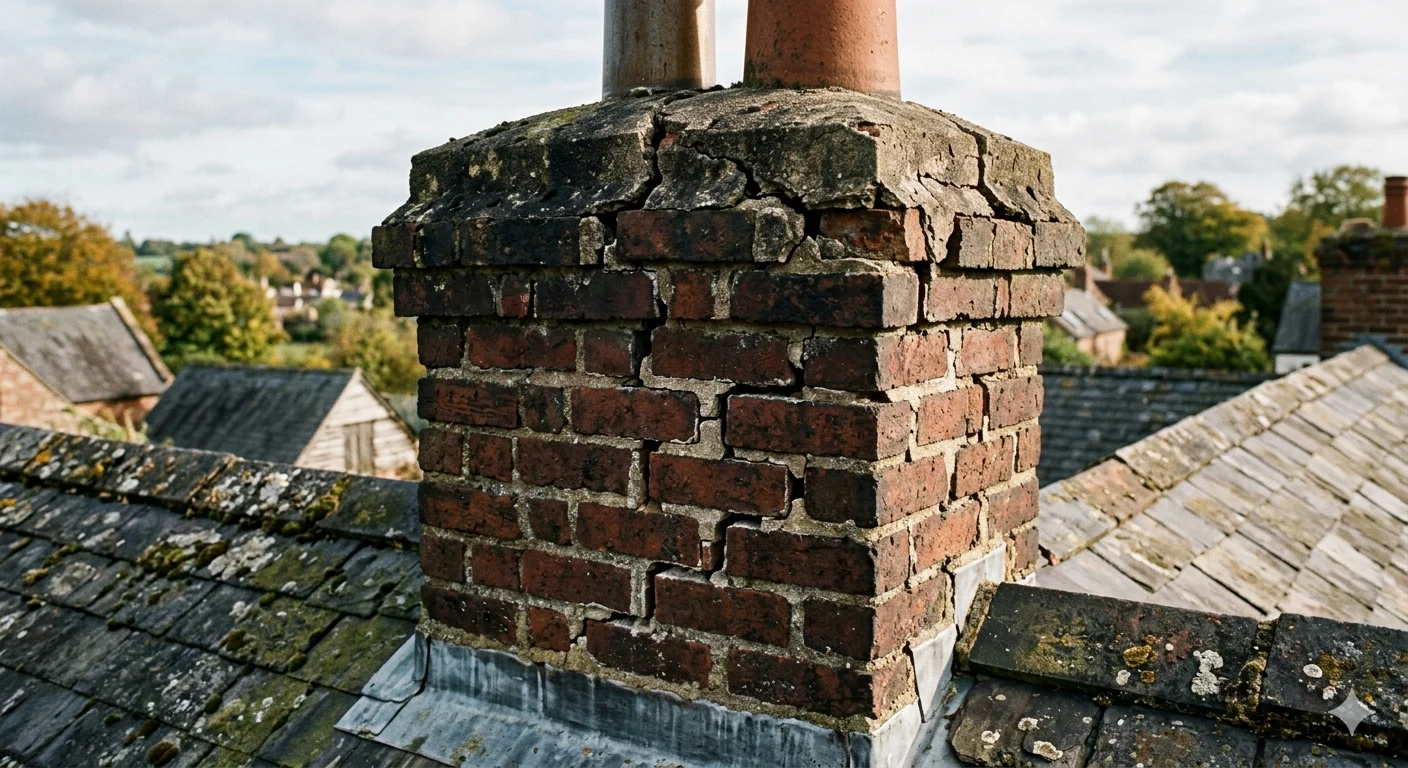
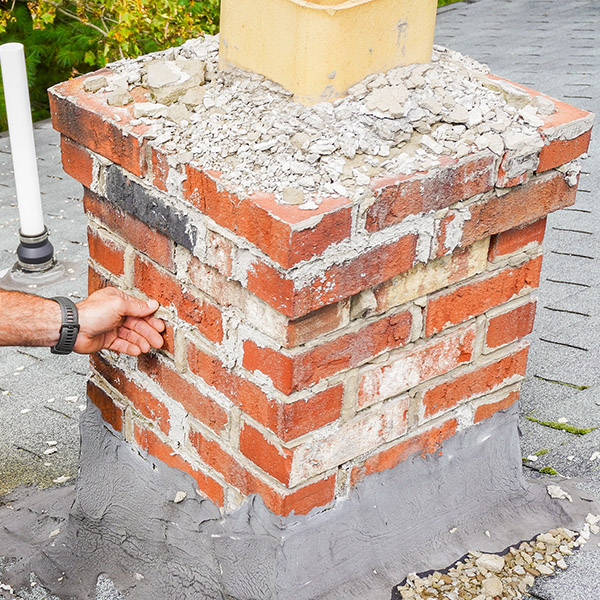
1. Chimney Crown: The chimney crown is the concrete slab that covers and overlaps the brick, stone or siding of the chimney. The job of the chimney crown is the direct water, snow and debris away from the chimney. Its next job is to ensure that any water refrains from leaking into the chimney. If a hairline crack or larger forms on or in the chimney crown, these become entry points. When water enters these cracks, it begins to break down the materials allowing more water to enter. The cumulation can begin to enter your home and create damage and stains on your walls.
2. Tuckpointing: Tuckpointing is the process of repairing the filler in between brick or stone to block the elements from entry. It may sound like an easy task, but the process is a form of artwork in order for it to protect properly and look in unison with the rest of the chimney and home.
Issues can occur within the materials, including spalling, missing chunks, and cracks. In some cases, the material may separate or pull away from the brick, stone, or concrete surfaces. To avoid this from happening, a chimney inspection will identify any issues and schedule corrective action with a masonry expert.
3. Waterproof the Chimney: To extend the longevity of the chimney for the next 10 years, ask Superior Chimney about Chimney Saver. It is a spray, liquid application that goes directly onto the bricks and chimney crown. The liquid fills in the gaps of the porous cement so no outside water or contaminants can erode the mortar.
To get a chimney inspection completed with a full 14 point inspection, contact Superior Chimney today to schedule your appointment. It’s better to get it checked and addressed now before the Spring rains begin. Contact us today at 877-244-6349.
Your chimney liner does more than move smoke upward. It protects your masonry, improves efficiency, and keeps heat and harmful gases safely contained inside the flue.
When a liner begins to fail, the warning signs can be subtle at first. Over time, though, small issues can lead to significant chimney damage and safety concerns. Knowing what to look for can help you act before repairs become extensive.
Here are the most common signs of chimney liner failure homeowners should watch for.
What a Chimney Liner Actually Does
A chimney liner creates a sealed pathway that directs smoke and combustion gases out of your home. It also shields the interior masonry from high temperatures and corrosive byproducts created during burning.
Without a sound liner, your chimney system is vulnerable.
1. Cracked or Broken Flue Tiles
In chimneys with clay tile liners, cracks are one of the most common problems. Years of heating and cooling cycles cause expansion and contraction, eventually leading to fractures.
You might notice:
Pieces of debris falling when opening the damper
Poor draft when having a fire
Staining on the chimney structure
Even minor cracks can allow heat and gases to escape into the surrounding masonry.
2. Smoke Backing Into the Room
If your fireplace suddenly starts pushing smoke into your living space, liner damage could be the cause.
A compromised liner may:
Disrupt proper airflow
Contain blockages or collapsed sections
Be improperly sized for your appliance
Draft issues should always be evaluated promptly, especially if they develop unexpectedly.
3. Heavy or Uneven Creosote Buildup
Excess creosote can signal airflow problems. If the liner surface is damaged or deteriorating, smoke cools too quickly and deposits more residue along the flue walls.
Over time, this increases the risk of chimney fires and reduces system efficiency.
4. Rust or Corrosion in Metal Liners
Stainless steel liners are durable, but moisture and acidic flue gases can still cause deterioration.
Watch for:
Rust flakes inside the firebox
Water staining around the chimney
Warped or separated liner joints
Moisture intrusion will accelerate liner failure.
5. Interior Masonry Deterioration
When a liner fails, heat and gases can directly impact the brick and mortar structure. This may result in:
Spalling bricks
Crumbling mortar joints
Interior/Exterior cracking
Efflorescence (white powdery staining)
In many cases, visible masonry damage begins with an unseen liner issue.
6. Aging or Outdated Chimney Systems
Older homes may have liners that no longer meet current safety standards — or no liner at all. If your chimney has not been inspected in several years, there may be hidden deterioration inside the flue.
Routine inspections are especially important before installing a new heating appliance or changing fuel types.
Why Liner Failure Shouldn’t Be Ignored
A damaged liner can lead to:
Increased fire risk
Carbon monoxide exposure
Accelerated chimney deterioration
Reduced heating efficiency
Major structural repairs
Addressing liner issues early is typically far more cost-effective than repairing extensive masonry damage later.
Schedule a Professional Chimney Inspection with Best Chimney
The only way to accurately diagnose chimney liner failure is with a professional inspection, often including a camera scan of the flue interior.
At Best Chimney, our experienced technicians provide thorough evaluations and clear recommendations. If we find liner damage, we’ll explain your options in straightforward terms — whether that means repairs, relining, or replacement.
If you’ve noticed smoke issues, debris in your firebox, masonry deterioration, or it’s simply been more than a year since your last inspection, now is the time to schedule service.
Call Best Chimney at 781-893-6611 or request an appointment online to protect your home and keep your chimney system operating safely and efficiently. Proactive care today helps prevent costly repairs tomorrow.
Finally, it’s that time of year. When we start talking about dryer vent cleaning, you know that the cold weather is starting to come to an end. After a long and very cold winter, the clothes dryer is ready for a break and a dryer vent cleaning. Every time you place winter clothing in the clothes dryer, remnants come loose, drop into the dryer and ends up in various locations of the machine. That means it doesn’t only end up in the small lint catcher. How can we help remove the lint build up in the clothes dryer vent?
Remove the Lint Build Up in the Clothes Dryer Vent
Each year a dryer vent cleaning works to prevent fires and optimize the performance of the dryer. When the clothes dryer vent is clean from lint and debris, the clothes dryer works to dry your clothes faster, saving on energy costs as well as extend the life of the machine.
Lint Can Start a Fire
According to the U.S. Fire Administration, thousands of residential fires each year are attributed to clothes dryers, with failure to clean being a leading contributing factor. As lint accumulates in the vent, airflow is restricted. That restriction causes the dryer to overheat, placing strain on internal components such as the heating element, thermal fuse, and blower motor. Over time, excessive heat not only increases the risk of fire but also leads to premature mechanical failure.
A well-cleaned dryer vent improves airflow efficiency. When airflow is unrestricted, moisture is exhausted more effectively, reducing drying times. Shorter cycle times means lower utility usage. The U.S. Department of Energy notes that dryers are among the higher energy-consuming appliances in the home. Improving operational efficiency by maintaining a clean vent can reduce household energy costs over the course of a year.
Beyond fire and energy concerns, restricted dryer vents can create indoor air quality issues. If moist air, lint particles, and trace residues from detergents and fabric softeners are not properly vented outside, they may remain trapped in the ductwork or backdraft into the home. Excess moisture can contribute to mold growth within walls or attic spaces if the venting system is compromised or disconnected.
What Does a Superior Chimney Dryer Vent Inspection Consist of?
Superior Chimney comes to your home to inspect the dryer vent that goes from your clothes dryer to the exterior of the home. If those chemicals are not carried from the home to the outside, you and your family breathe in the chemicals which can harm your health over time.
The technician will conduct various tests, tracking readings that can be hazardous. We’ll identify and show you if there are any signs of issues so you can see for yourself if repairs are needed.
A comprehensive dryer vent inspection typically includes evaluating the full vent line for obstructions, verifying proper vent material, checking for crushed or kinked sections, and confirming that the exterior termination draft hood opens freely. Technicians may also measure airflow performance and check for excessive lint accumulation behind the clothes dryer.
The Authority NFPA
The National Fire Protection Association recommends regular inspection and cleaning of dryer vents to reduce fire risk. Most homes benefit from professional cleaning at least once per year, though larger households or those with heavy laundry usage may require more frequent service.
What’s Next?
Routine dryer vent maintenance is a straightforward preventative measure. It enhances safety, improves appliance performance, protects indoor air quality, and extends clothes dryer lifespan. As we bid farewell to winter, scheduling a professional dryer vent cleaning is a great step toward maintaining a safer and more efficient home.Let Superior Chimney help to Remove the Lint Build Up in the Clothes Dryer Vent. Contact us today at 877-244-6349.
We all get a bit excited when the predictions call for warmer temperatures. It’s a welcome relief from the layers of sweaters, thick socks and gloves that we need to wear to protect from the cold. When that warmth hits, it is amazing. But, are chimney’s ‘happy’ in their own way when the temperatures are rising? Homeowners sometimes take notice of the changes going on outside and call us to ask, why is snow melting on my chimney?
Why is Snow Melting on My Chimney?
It sounds like a silly question to ask, but there is a reason for it. Once you understand what causes it, you will then know if your chimney is starting to have a problem or not. Let’s take a look at a few of the causes for melting slow.
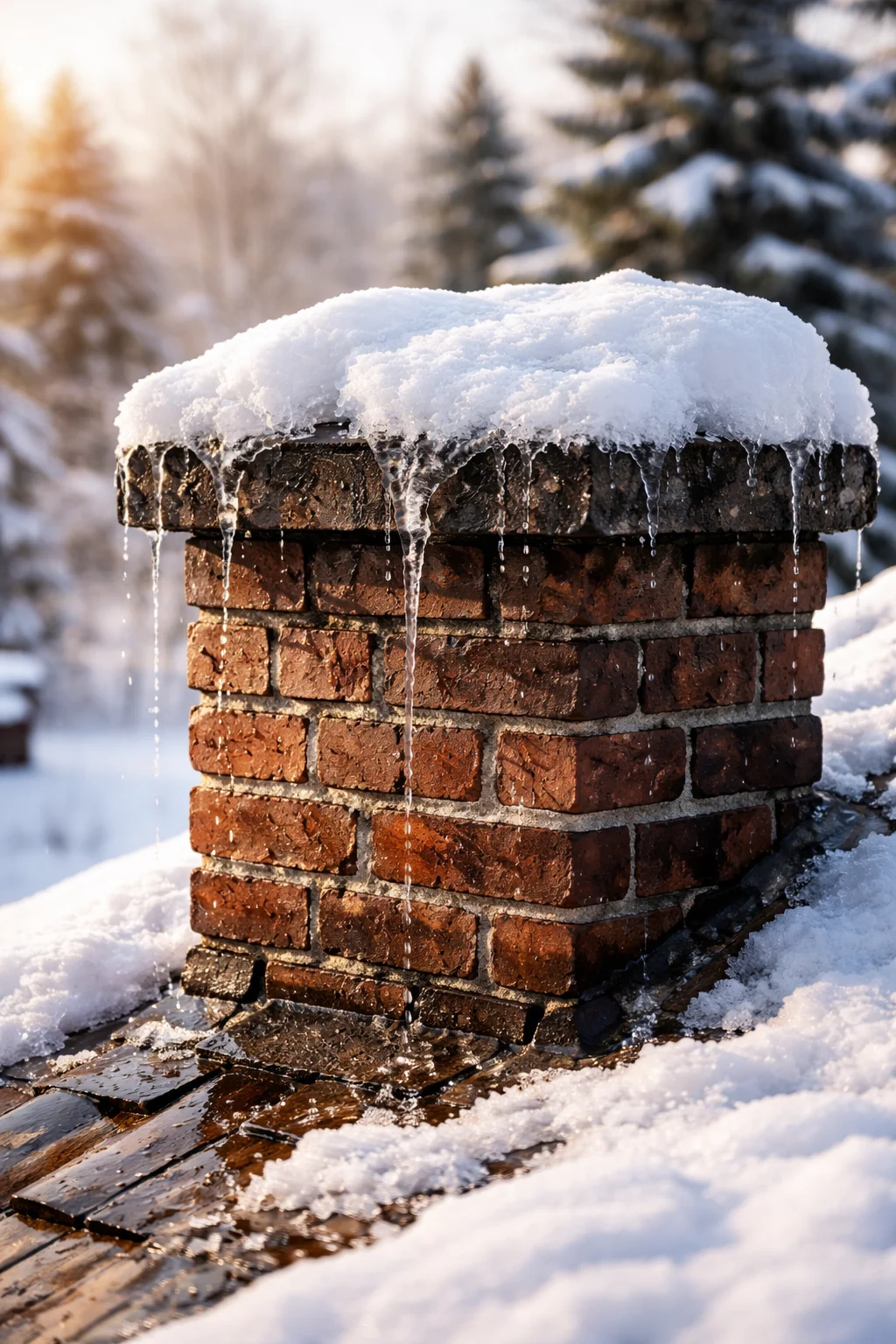
Transfer of Heat: Let’s get the most obvious out of the way. When you use your fireplace, the firebox heats up and as we all know, heat rises. Meaning, it will go through the chimney and out through the top. As the heat continues, the snow around the chimney begins to melt and turn into water.
Attic Insulation: Warm air from the room your fireplace resides, rises and can get into the attic. The warm air settles around the roof deck causing it to warm up around the chimney. It will melt the snow around the chimney.
Condensation: It is true when the warm air meets cold air, condensation, or a wet moisture forms. When the warm air makes it way up to the chimney top and it meets the cold outside air, condensation forms. The only problem with this cycle is that it can be concerning when it forms ice and can be dangerous.
What Can Be Done?
Now’s the time to schedule a chimney inspection. As the snow melts quickly with the warmer temperatures, you want to watch for water leaks. However, if you ‘see’ the results from a water leak, you’re too late, damage is done. This is where a chimney inspection can catch the water leak before it begins or before it can do any real damage.
Superior Chimney will conduct a 14 point inspection. The 14-point inspection is for you to gain a better understanding of the thorough check that we do each and every time, inside and outside of the home. This is critical as water leaks loom when the chimney is not functioning at its fullest capacity. A certified chimney technician has been fully trained to identify chimney leaks, or when creosote buildup can be dangerous to the safety of the home.
Contact us today to get your chimney cleaned and checked.
Many are still digging out from a major winter storm that swept across the country, and with temperatures still in the single digits in some places, it’s hard to think that spring will ever arrive. But fear not, it’s on the way!
When Mother Nature decides to warm things up, people focus on spring cleaning, yard work, and getting things ready for summer. However, one thing that fireplace owners often overlook is their chimney. Even if you won’t use the fireplace again until fall, spring is a great time to take care of chimney maintenance chores. Cold weather, moisture, and heavy use take a terrible toll on chimneys, and catching problems now can save you from expensive repairs later.
Here are the most important things you can do for your chimney this spring.
Schedule a Professional Chimney Inspection
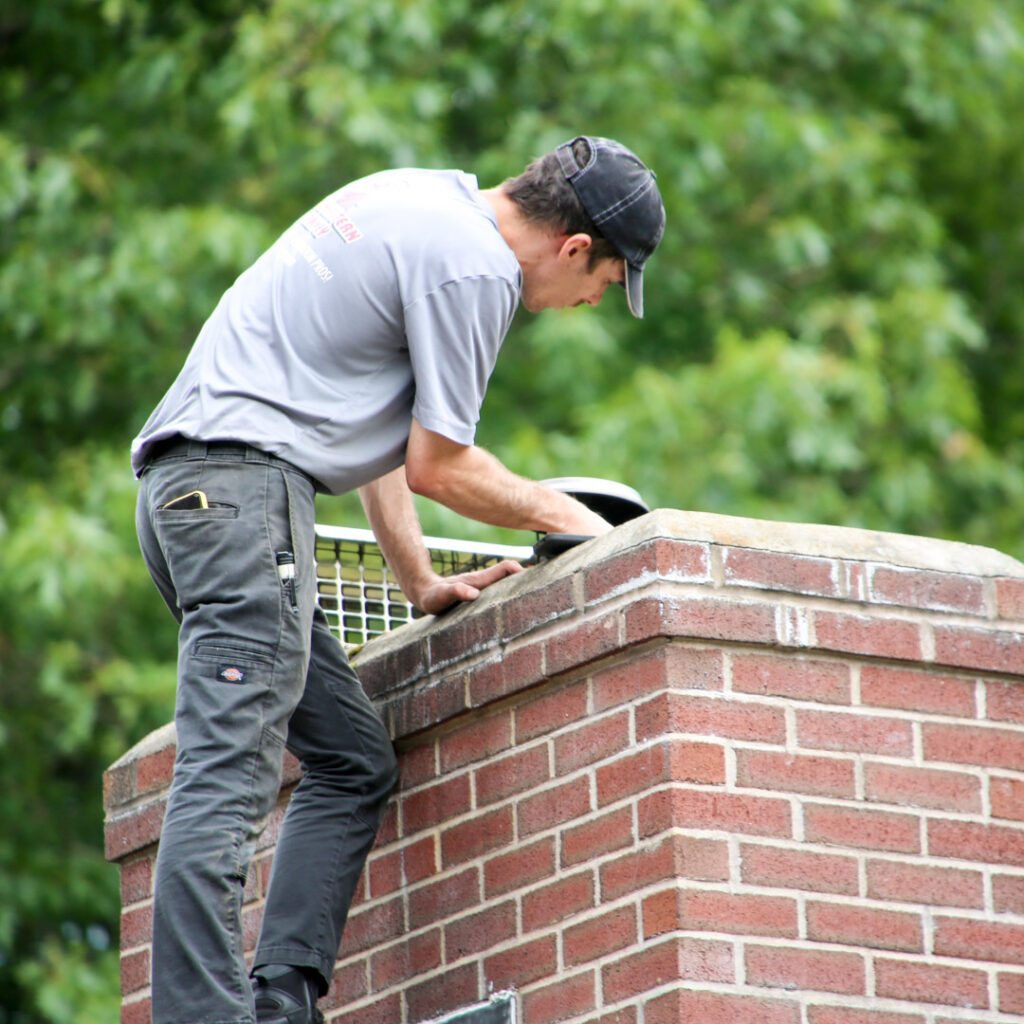
Warm weather is the best time to get your chimney inspected by a certified pro. During winter, chimneys are exposed to freezing temperatures, snow, ice, and repeated heating and cooling. All of those can cause cracks, loose bricks, deteriorated mortar, and hidden structural issues. Pros can identify cracked or spalling bricks, deteriorating mortar joints, flue liner damage, and issues with the crown or cap.
Detecting minor issues, such as small cracks or masonry damage, now makes it easier and cheaper to fix before they become major structural problems.
Get the Chimney Cleaned
As mentioned, many Americans experienced a brutally cold winter this year, and if you’re one of them, you’ve probably relied heavily on your fireplace or stove to keep the house warm. That means you likely have creosote or soot built up in the flue. Creosote is highly flammable and is one of the leading causes of chimney fires.
Spring cleaning removes creosote buildup, soot and ash, and animal nests or debris.
Cleaning in the spring also prevents soot and creosote odors from seeping into the house when the air becomes more humid. The last thing you want is for your home to smell like an ashtray when you’re spring cleaning!
Lastly, chimney services are less busy during spring, making it easier to get an appointment at your convenience.
Check for Water Damage
Water is a chimney’s biggest enemy. Snow and ice from winter can expose weaknesses that allow moisture to get into the masonry. In spring, you should look for signs of water damage, including white staining (efflorescence), rust on the damper, crumbling mortar, and damp musty odors from the fireplace.
If moisture gets into the chimney, it can accelerate deterioration, cause leaks, and damage nearby walls or ceilings.
Inspect the Crown
The crown sits atop the chimney and prevents water from entering. Crowns can crack over time due to freeze-thaw cycles. Spring is the perfect time to look for hairline or visible cracks, chunks of missing concrete, or an improper slope that allows water to pool instead of directing it away.
Make Sure the Cap is Intact
Chimney caps are important year-round. They keep rain, animals, debris, and downdrafts out of your chimney. Winter storms can loosen or damage chimney caps, so spring is a good time to make sure yours is still secure.
If you don’t have a cap, now’s the time to install one. They’re cost-effective and can save you from headaches like dealing with animals getting into the flue or your house.
Address Masonry Repairs
Spring is ideal weather for masonry repairs. Mortar and masonry materials cure better in moderate temperatures, making this the best time to handle tasks such as tuckpointing, brick replacement, crown repairs, and applying a waterproofing sealant.
Waiting until fall can mean rushing to get repairs done before winter or discovering severe damage when it’s already too late.
Let Northeastern Chimney Help With Your Chimney Spring Cleaning!
Northeastern Chimney is the most trusted chimney and fireplace service company in the Central CT area. We’re licensed and insured, and have over three decades of experience. Call us today!
It is difficult for a homeowner to understand all aspects of the chimney. There are so many different parts and functions for each component. Before I can move forward with this blog, I must stress the importance of booking an annual chimney sweep and inspection.
You will learn that a crack in a chimney crown can be very costly the longer you wait to fix it.
What is a Chimney Crown?
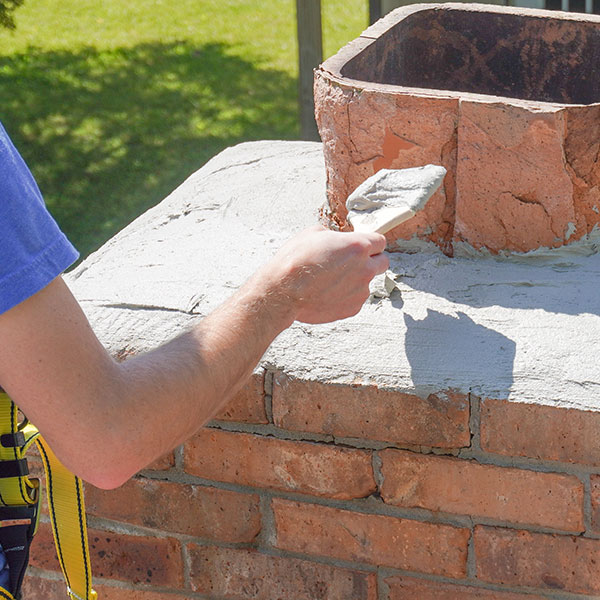
Before we can go any further in this article, you need to know what exactly a chimney crown is. The chimney crown is a cap that protects the top of the chimney opening. You may think of it as an umbrella that keeps rain, small animals, and debris from getting into the chimney. The crown is usually made of concrete or mortar.
Benefits of a Chimney Crown:
Prevents water from soaking into the brick and mortar.
Directs rain and snow away from the chimney.
Helps stop the freeze-thaw effect.
Expands the overall life of the chimney.
What Might Cause Cracking?
It is one of the most common causes of chimney leaks. You will be surprised by how much water can get into the chimney through very small cracks. Common reasons a crown may crack include freeze-thaw cycles, poor construction, thermal expansion, age and weather exposure, water saturation, or structural movement.
Signs There May Be An Issue:
Cracks or chipping of the mortar or concrete.
Flaking of pieces.
Moisture in the firebox or a rusted damper.
Water stains on the brick.
Why Address These Issues?
The longer you wait for repairs, the higher the cost will be—small cracks only grow. There is no denying this. Here are some of the costly repairs.
Water damage inside the chimney. Water gets into the brick and mortar as they are porous. Water will deteriorate the bricks faster.
Interior leaks and structural damage. Water travels from the chimney to the attic, walls, and ceilings. This can affect wood, insulation, and finishes. It can also cause mold to grow.
Deterioration of chimney structure. Once water gets into the masonry and brick, freeze-thaw cycles can cause crumbling and spalling. This may weaken the chimney, pose a safety risk, and require major rebuilding.
Damage to surrounding units, such as the chimney cap and flue. Water can saturate and corrode metal components. If these parts become rusted, they don’t work properly and invite pests.
How To Stop It Early?
As mentioned earlier, contacting a professional chimney company, such as Northeastern Chimney Inc., for a chimney sweep and inspection is your first defense.
Our team at Northeastern Chimney recommends an annual Chimney sweep and inspection. When a problem arises, the best plan is to tackle it as soon as possible. This will cost you much less than if you let the damage to the fireplace and bricks go on too long.
Atlanta’s charm is deeply rooted in its stunning historic homes, each whispering stories of an era of yesteryear. From the elegant Victorians of Inman Park to the stately Tudors of Druid Hills, these residences offer a unique blend of architectural grandeur and timeless appeal. Yet, with age comes the need for specialized care, particularly for the intricate and often forgotten heart of these homes: their fireplaces and chimneys.
Preserving a 100-year-old fireplace and chimney in a historic Atlanta home isn’t merely about maintenance; it’s an art form that requires a deep understanding of historic construction, materials, and the unique challenges posed by time. It’s about safeguarding a piece of Atlanta’s heritage, ensuring these cherished elements continue to function safely and beautifully for generations to come.
This is where the expertise of chimney companies like Southern Chimneys becomes important. With a commitment to preserving the past while employing modern, safe practices, they are at the forefront of Atlanta historic chimney restoration.
The Unique Challenges of Historic Atlanta Chimneys
Unlike newer constructions, historic chimneys in Atlanta homes were built using methods and materials that predate modern codes and often require a specialized approach to repair and restoration.
Material Deterioration
Many century-old chimneys are constructed from porous bricks and lime mortar, which, over time, can succumb to the elements. Rain, wind, and changing temperatures can cause mortar to erode and bricks to spall (flake or peel), compromising the structural integrity of the chimney. This deterioration is particularly common in areas exposed to the elements, such as the chimney crown and the exterior brickwork.
Flue Liner Issues
Perhaps one of the most critical challenges in historic chimney restoration is the condition of the flue liner. Older chimneys often lack a modern, continuous flue liner, or they may have clay tile liners that have cracked or deteriorated. A damaged or absent flue liner poses serious safety risks, including carbon monoxide leaks into the home and increased fire hazards as hot gases and embers can escape into combustible areas within the house structure. Addressing these issues is paramount for the safety of the occupants and the home itself.
Structural Instability
Settling foundations, shifting ground, or even prolonged neglect can lead to structural issues in historic chimneys, such as leaning, bowing, or cracks that extend beyond superficial damage. These problems require careful assessment and often extensive rebuilding to restore stability and prevent collapse. The weight of a chimney, especially a tall one, makes any structural compromise a significant concern.
Why Specialized Expertise Matters for Historic Chimney Restoration Atlanta
Attempting DIY repairs or hiring a general contractor for historic chimney work can often lead to further damage or unsafe conditions. The intricate nature of these structures demands the touch of specialists who understand the nuances of Atlanta historic home chimney repair.
Knowledge of Historic Materials and Techniques
Experts in Atlanta historic chimney restoration possess a deep knowledge of the materials and construction techniques used a century ago. They can identify original mortar types, brick compositions, and even the subtle signs of past repairs, allowing them to match materials and methods as closely as possible to maintain historical accuracy and structural integrity.
Adherence to Historic Preservation Standards
For many homes with chimneys, especially those in designated historic districts, any exterior modifications must adhere to strict preservation guidelines. Specialists are familiar with these regulations and can navigate the permit process, ensuring that all work meets the required standards without compromising the home’s historical designation.
Restoration Techniques & Maintenance
Understanding the specific needs of an aged structure is half the battle. Below is a breakdown of the common solutions provided by professionals like Southern Chimneys to keep these systems operational.
Technique
Description
Importance for Historic Chimneys
Flue Relining
Installing a new, stainless steel liner within the existing masonry or lining the chimney with a product classed Heathshield Resurface.
Essential for safety; prevents carbon monoxide leaks and fire hazards.
Tuckpointing
Removing deteriorated mortar and replacing it with fresh, color-matched lime mortar.
Restores structural integrity and prevents water penetration.
Crown Repair
Rebuilding the top slab that covers the masonry to divert water away.
Protects the chimney from its #1 enemy: water damage.
Brick Matching
Sourcing salvaged or custom-made bricks to mirror the originals.
Preserves architectural authenticity and prevents structural mismatch.
Waterproofing
Applying breathable sealants to the exterior masonry.
Prevents freeze-thaw damage while allowing internal moisture to escape.
1. Can a 100-Year-Old Chimney Ever Be Made Safe for Real Wood Fires?
Yes, in most cases, a historic chimney can be restored to full functionality. This usually requires a professional inspection to identify structural gaps and the installation of a high-quality stainless steel or using Heatshield Resurfacing to ensure smoke and heat are safely contained.
2. What Is the Difference Between a Chimney “Repair” and a “Restoration”?
A repair usually addresses a specific, localized issue, like a leaky flashing or a cracked cap. A restoration is more comprehensive; it involves returning the chimney to its original architectural state using period-correct materials while upgrading the internal safety components to modern standards.
3. My Historic Chimney Is Leaning; Do I Have to Tear It Down?
Not necessarily, but it requires immediate attention. A leaning chimney is often caused by foundation settling or water-damaged mortar. If a chimney is leaning, a skilled chimney specialist will determine where the problem originates to diagnose the cause. From there either a rebuild from roofline and up is needed or a complete chimney rebuild for the safety of the home.
The Long-Term Benefits of Historic Home Chimney Restoration
Investing in professional restoration for your historic home’s chimney goes far beyond immediate repairs. The benefits ripple through the entire home, enhancing safety, value, and aesthetic appeal.
Enhanced Safety: A sound flue liner ensures that hazardous byproducts are safely vented, protecting your family from carbon monoxide.
Increased Home Value: Historic homes command a premium, and their value is tied to their original features. A fully functional, historically accurate fireplace is a major selling point.
Energy Efficiency: Properly sealed flues and smoke chambers prevent drafts, helping to regulate indoor temperatures and potentially reduce energy bills.
The Bottom Line: Historic Homes and Chimney Preservation
The fireplaces and chimneys of Atlanta’s historic homes are more than mere architectural details; they are storytellers and essential components of a bygone era. Preserving these century-old structures requires a specialized approach—one that blends reverence for history with modern safety standards.
For homeowners dedicated to safeguarding their property, partnering with experienced professionals like Southern Chimneys for historic chimney restoration is an investment in the home’s legacy. By tending to these vital elements, we ensure that the warmth and grandeur of the past continue to grace our present.
Contact us today to begin your preservation journey for your home’s chimney. We look forward to working with you!
Spring may not be in the air quite yet, but love is, because Valentine’s Day is fast approaching. Fireplace owners are used to decorating their mantels for big holidays like Thanksgiving and Christmas. Still, you can add a little warmth in February by filling it with Valentine’s Day colors. With a few thoughtful touches, you can make your living room festive and romantic. Here are some practical and stylish Valentine’s Day tips to help your mantel steal hearts.
Start With a Simple Color Palette
Before putting anything up, think carefully about your color scheme. Traditional Valentine’s Day colors like red, pink, and white are always popular, but they’re not your only option, and deviating from them can make your mantel stand out. Think about soft neutrals paired with blush tones to create a more sophisticated look. Deep burgundy, plum, and gold accents can add drama. Limiting your color palette to two or three colors keeps your mantel from looking cluttered and keeps the overall display cohesive.
Layer Your Décor for Depth
The best-looking mantels are built in layers. Start with a large anchor piece in the center, such as a mirror, framed artwork, or a decorative sign with a subtle love-themed message. From there, layer smaller items in front and on either side. Candlesticks, small vases, or decorative boxes can add dimension and visual interest. Also, vary the heights, combining tall, medium, and short items to guide the eye throughout the display.
Incorporate Soft Textures
Valentine’s Day décor doesn’t have to be so shiny and sparkly. Soft textures can make the mantel feel cozy and romantic, which is the goal for your decorations. Consider adding fabric garland made of felt hearts, lace, or tassels. Faux flowers like roses, peonies, or eucalyptus add gentle softness, especially when paired with fabric or wood elements. Even a simple knit burlap banner can bring warmth to the display.
Use Candles to Set the Mood
Another Valentine’s Day staple is candelight. Candles add warmth and ambiance and can put one in the mood for romance. Use a mix of pillar, taper, and votive candles to add visual interest. If your fireplace isn’t in use or if safety is a concern, use LED candles. They look remarkably real and provide the soft glow you’re looking for. Arrange candles in small groups instead of spreading them evenly across the mantel.
Add Personal and Meaningful Touches
Valentine’s Day is about connection, so incorporating personal elements can make your mantel feel extra special. Framed photos of you and your partner, love letters, or meaningful quotes can add a sentimental layer to your decorations. You can also include items that reflect shared memories, like photos or travel souvenirs.
Balanced But Not Crowded
Sure, you could go full Clark Griswold with your decorations, but restraint goes a long way. Step back and look at the mantel as you decorate. If it looks crowded and jumbled, remove two or three items and look again. Leaving negative space allows each piece to stand out and keeps the display from becoming overwhelming. Symmetry can work well for a classic look, while asymmetrical arrangements can feel more relaxed and modern.
Tie the Mantel Into the Rest of the Living Room
Here’s where the magic happens. Let your mantel décor connect with the rest of the room. Repeat colors or materials from the mantel into nearby throw pillows, blankets, or tabletop decorations. This creates a sense of flow and makes your Valentine’s Day decorations feel intentional instead of isolated to one area.
Schedule Your Spring Chimney Cleaning Today!
Spring is the best time to get your chimney cleaned and checked by a professional at Northeastern Chimney. We’re the best choice for chimney and fireplace services in Central Connecticut. We’ve proudly served customers since 1984 and have a reputation for delivering high-quality work and outstanding customer service. Contact us today!
The team at Superior Chimney had a few calls concerning the lack of visibility of their chimney. Yup, that’s right, the angle of the snow versus the angle of the chimney on top of the house has buried much of it. Homeowners are concerned asking, “will I find a chimney when the snow melts in Spring?” Will bricks come loose? Will mortar bill missing? Will a water leak form? Lots of great questions.
Will I Find a Chimney When the Snow Melts in Spring?
The winter of 2026 is definitely a challenging time. The deep cold temperatures mixed with ice and snow has made conditions harsh for the chimney. If you as the homeowner received a chimney inspection this past year, then odds are minimal that no major problems will be had, especially if you kept up with any repairs. If you haven’t had a chimney inspection, regardless of use of the fireplace, then your chances can be much greater of having repairs.
What Kind of Repairs May Be Ahead?
The chimney repairs can be minimal to a chimney rebuild. Let’s take a look at each kind.
Chimney Rebuild: a chimney rebuild is when there is structural damage. There’re too many repairs that need to be done that it becomes cost prohibitive and a chimney rebuild is the most cost effective solution. What are some tell-tale signs? Here are 6 signs to watch for:
Brick spalling or missing bricks: brick spalling is when the face of the bricks are flaking or crumbling. Or if the bricks fall out and missing spaces are easily seen. Both situations are serious and may be beyond repair.
Chimney mortar fails: there are times when the mortar has cracks or a small piece is missing. That would be a chimney mortar repair. However, if the mortar is crumbly, falling or fell out from in between the bricks or stone, then it may need to be rebuilt.
The leaners: Chimneys can get the leaners when it hasn’t had care and attention for a long period of time. This is when the structure naturally starts to lean to a side due to deterioration. This will result in a chimney rebuild.
The continuous chimney leak: if the homeowner has experienced numerous chimney leaks after many repairs have been made, then this may mean that the inner workings or core of the chimney has been compromised. This will result in a chimney rebuild.
Chimney crown: there are times that the chimney crown has seen better days. It has big, wide cracks or chunks of the chimney crown is missing. Together with the missing mortar and possible spalling, that’s a sure recipe for a chimney rebuild.
Flue liner failed: if you don’t have a stainless steel flue liner, you may have clay tiles in the chimney. When a winter such as this year occurs, the clay tiles can crack and fall away from the wall. Depending on the condition, this may result in a chimney rebuild.
A chimney repair is going to be less severe and can bring the integrity of the chimney back into alignment. Such as:
If the chimney mortar damage is shallow then tuckpointing will be enough to repair.
If the chimney crown has small, hairline cracks, then it can be repaired and the strength of the chimney crown is restored.
Flashing or other entry point is the only source of a leak, and hasn’t done extensive damage to the core, it can be repaired.
If the bricks are still strong and not crumbling to the touch, it can be repaired.
Now that you have the basics down, let Superior Chimney inspect your chimney system to help determine the condition. Will I Find a Chimney When the Snow Melts in Spring? Our certified team will do all we can to make that happen!Contact us today at877-244-6349.
This has been a tough winter with the below freezing temperatures, snow and freezing rain that has turned to ice. And we’re not even close to winter being over. But right now, that’s okay. As soon as the temperatures begin to rise, and the ice and snow begins to melt, the problem looming ahead is water. Dripping water that finds it way through the smallest of cracks down the chimney and into your home. What can be done to prevent dripping water in the fireplace?
How to Prevent Dripping Water in the Fireplace
The first thing to do is to schedule an appointment now for Spring. With the challenges of winter, many will be calling for emergency help or leaks in the fireplace. You can do that now and call 877-244-6349.
Now that you made the appointment, let’s discuss how to prevent dripping water in the fireplace.
Masonry repair: Masonry repair is critical to stopping water leaks. Water is a tricky thing as it finds any gap that it can enter. This is the beginning of problems both outside and inside the home. Getting this inspected and repaired is critical for a safe home.
Waterproofing the chimney: One way to keep the chimney is great shape is to get it waterproofed. Our Chimney Saver product is a liquid spray that goes onto the bricks, stone and mortar to fill the gaps of the porous materials. This protection lasts for about 10 years.
Chimney cap: A chimney cap does help prevent dripping water in the fireplace. It deflects water away from the hole in the chimney and sends it elsewhere. It also helps to keep debris and critters out of the chimney too! A small intricate of metal with a big job to do.
Annual Chimney Inspection
As we discussed above, now is the time to get your appointments made for a spring chimney inspection. In the inspection, we will check the exterior chimney, the chimney flue and the chimney itself. There’s a lot that goes into a chimney inspection and we have developed a 14-point inspection. Along with the inspection is photo documentation. As we go to places that are not visited by homeowners, we take photos so you can see for yourself the condition various parts of your chimney are in.
Once you have the information necessary, it’s time to make a decision. If it shows that some repairs are needed, you’ll get a price and the knowledge to move forward.
Certified Technicians It’s one thing to get the chimney inspected, but you need to be sure that it is done by a certified chimney technician. It may seem easy to clean the fireplace, but you need to know and fully understand how a chimney operates. If you don’t know what to look for, you could have carbon monoxide build up in your home. from the appliances in your home that use the chimney. Do you know how? Do you know how airflow works in the chimney? This is what we do… every day… all day. Let our education, experience and expertise keep you and your family safe in the home.


 Schedule a Professional Chimney Inspection
 Address Masonry Repairs
 What is a Chimney Crown?
 How To Stop It Early?
 Start With a Simple Color Palette