Category: Uncategorized

Need Chimney Cleaning Services in Branson & Northern AR?

Did you just recently move into a home with a chimney? Or have you had one for a while and just learned it should be cleaned each year? Either way, you’ve come to the right spot! SureGLOW Stove and Chimney is the premier choice for chimney cleaning in Branson, MO – as well as countless areas surrounding. Before we jump into how often your chimney should be cleaned, let’s dig into what exactly chimney cleaning is – and why it’s so important.

Ready to schedule? We’re here for you – call or book online today.

How Often Should a Chimney Be Swept?

The National Fire Protection Association (NFPA) and the Chimney Safety Institute of America (CSIA) both say that a chimney should be cleaned once every 36 fires or once a year – whichever comes first. They also recommend that it be done more than once a year if you use your chimney system a lot more frequently.

Why is this so important? When chimneys go uncleaned and aren’t inspected properly, you run the risk of exposing your home and family to dangerous substances like creosote, smoke, and carbon monoxide (to name a few). Having SureGLOW Stove and Chimney sweep and inspect your chimney each year is the best way to stay ahead of the game so you and your family can keep enjoying those cozy fires without worry.

Why Are Chimney Sweepings & Cleanings Important?

Ok, so you know that your chimney should be cleaned…but what exactly does that mean?

Chimney cleaning, also known as chimney sweeping, is an important process that helps to keep your chimney working efficiently. Depending on the type of fuel you use with your chimney, byproducts that occur from burning that fuel can build up in your chimney. This build up can lead to a wide array of problems – all of which you definitely want to avoid.

If you have a wood-burning fireplace or stove, your chimney’s biggest worry is creosote buildup. Creosote is created when you burn wood. As you continue to use your wood-burning system, this nasty substance clings to the walls of your chimney.

What’s so  bad about creosote? Well, for starters, it’s highly combustible, which means that the more of it you have in your chimney, the more susceptible you are to having a chimney fire – and we’re not talking about a cozy fire, we’re talking about the super dangerous kind that can burn your house down.

Now, if you have a gas fireplace or stove insert, you aren’t off the hook either. All chimneys need to be swept and inspected each year to make sure they are in good working condition. All chimneys, regardless of fuel type can get debris in them which can cause airflow issues that can also be unsafe.

What To Expect From Us

When you choose SureGLOW Stove and Chimney to do your chimney sweeping, our expert technicians will bring our advanced cleaning and inspection equipment to make sure the job is done right. Our technicians clean the entire chimney system, as well as check on the following: 

  • Firebox or Thimble
  • Smoke Chamber
  • Smoke Shelf
  • Chimney Flue
  • Damper Assembly
  • Rooftop Flashing
  • Chimney Caps

What Makes SureGLOW the Best Choice in Springfield, MO?

We truly believe that we are the best of the best – and our customers do too. We are proud to be the premiere full service chimney company serving Southwest Missouri and Northwest Arkansas.

We take pride in making sure we provide quality and reliable services, all while offering a lifetime warranty. How many other chimney companies can say that? We know that prevention is key, and our quality fireplace and chimney inspections allow us to address any issues early on – long before they can get worse or make your appliance unusable.

Give Us a Call

Give SureGLOW Stove & Chimney a call today at 417-201-6585 or reach out online today. We would love to tell you more about what we have to offer and get your chimney services scheduled!
The Complete Guide to Chimney Inspections: Ensuring Chimney Safety and Efficiency

Your fireplace and chimney may appear basic, but you must inspect plenty of parts regularly to ensure they are in top working condition. To help you out, here are some of the parts of the chimney that you should inspect:

The exterior of the chimney

The exterior of the chimney has many parts that you can inspect. These areas include:

Bricks: The most visible part of a chimney is the brickwork. To maintain the functionality and safety of your fireplace, you’ll need to use good-quality bricks. If yours are old and deteriorating, you should get immediate chimney repair.

Chimney Cap: As the name implies, the chimney cap is a ‘hat’ that rests on top of your chimney. Smoke from your fireplace exits through this part. It protects your chimney from the elements, trash, and animals, reducing the need for cleaning and preventing chimney fires.

Chimney crowns: These are found on the openings of both prefabricated and factory-built chimneys. They’re made of copper, steel, or aluminum.

Chimney flashing: It is often constructed of steel, aluminum, copper, or vinyl and is crucial on your roof. It is installed where your chimney meets your roof to guarantee that moisture does not enter your ceiling or attic and cause a large leak.

The chimney interior

The outside of the chimney may be the most visible aspect of its construction. However, what happens on the inside significantly impacts how well your fireplace functions overall. Some of the interior parts you should pay attention to when doing the inspection include:

The flue: This is a section of your chimney through which smoke escapes. To avoid a safety issue, it is critical to invest in chimney cleaning and proper chimney inspection at least once a year.

The smoke chamber is located just below the chimney, in the sloped area just above the fireplace. Smoke enters this section on its way to escape the chimney. A smoke shelf is installed to collect moisture or debris from the chimney top.

Throat Damper: Also known as a fireplace damper, this is the component of your fireplace that separates it from the chimney. It should be open for smoke clearance when your fireplace operates and closed to prevent cold air, debris, or pests from entering your home.

Chimney liner: The liner for a chimney is typically made of aluminum, steel, or clay. The liner directs smoke from your chimney and encases its walls for further protection. Chimney relining will be necessary as this component fails.

The fireplace

The fireplace is made up of many parts, including:

Firebox: The firebox is the most known portion of the fireplace because it contains the actual fire. The firebox is built into the fireplace mantel and extends into the throat damper and smoke chamber.

Mantel: Also known as the mantelpiece, this frames the fireplace and is frequently decorative. The mantel shelf rests on top of the mantel and is often decorated with photos and household goods.

Hearth: The hearth extends from the firebox and serves as a decorative element of the fireplace. It can also store fireplace equipment and was previously used to cook food near the fire.

Common issues you will come across when inspecting the chimney

Several issues might affect your fireplace and necessitate fireplace services. You must be aware of typical difficulties with your fireplace so that the problem can be addressed before it becomes a safety concern.

The most common issues that you might come across as you inspect your chimney include:

Creosote Build-up: When you use your fireplace, the smoke escapes into the chimney, leaving behind a dark material. This is creosote, and as it accumulates in your chimney, it reduces ventilation.

Unfortunately, it is risky since it can force smoke back into your home or ignite. As a result, it’s critical to contact a reliable chimney cleaner at least once a year to clean it out.

Pest Infestation: Whether it’s a mouse, a squirrel, or a bird, you don’t want any outdoor animals running around in your fireplace or chimney. Animals can cause obstructions in your chimney, increasing the risk of smoke entering your home.

If you inspect the chimney and find animals, there is definitely an area where they are getting in, and you should seal it using a chimney cover.

Closed Damper: The chimney damper is one of the most critical components of your fireplace. It keeps smoke out when you have a fire and cold out when you don’t. For your chimney to function optimally, the damper should be open until your fire is out.

The damper can become trapped due to creosote or other obstructions. To be on the safe side, you have to clean the creosote. As mentioned, ensure that the cleaning is done by an expert who knows what they are doing.

Mortar Issues: The bricks may be the most visible component of your chimney, but the mortar holds everything together. That is why it is critical to ensure that the mortar is performing its duties.

Mortar keeps the bricks in place and keeps moisture out, so if it has to be replaced, it will be unable to protect your chimney as effectively. You should remove and replace the bricks if they appear to be worn out.

Chimney Flue Cracks: Cracks in your chimney flue can be more challenging to detect than other chimney problems. Unfortunately, this type of damage can be a significant issue since heat can escape your chimney through cracks and harm things in your home that are not heat resistant.

In addition, smoke and soot can spread throughout your home, posing significant health risks to your family. To ensure that your flue is running correctly, you should have a professional chimney cleaning services Columbia MD clean your chimney regularly.

The post The Complete Guide to Chimney Inspections: Ensuring Chimney Safety and Efficiency first appeared on First Class Chimney Services.

This post first appeared on https://www.firstclasschimneyservices.com

Is It Something Spooky In Your Chimney?

It’s October, and Halloween is in the air. Witches and goblins, ghouls, and ghosts are all around. There is a noise in the house, and you jump out of your chair. That spooky movie you have been watching has gotten to you.

So, what exactly is that noise scratching around? There are several issues with chimney inhabitants as the weather starts to turn. Leaves are flying. Deadwood has been blowing off of trees as the winds pick up. Animals are finding warm shelter from the cold winters ahead.

This is the time of year when an annual inspection and chimney sweep are important. Before you start a fire contact Northeastern Chimney for that chimney sweep and inspection.

Spooky Secrets in Your Chimney

Debris

With the winds blowing, leaves are flying finding a home on your roof, gutters, and chimney. Along with leaves, twigs are flying as well. Dead branches may become dislodged as the gusts of wind churn up. You may be hearing the scratching of twigs and leaves blowing in the chimney.

Nesting Critters

Birds, rodents, and bats are possible critters that may find a way to get into your chimney. They are searching for a warm place to nest for the long winter ahead. If a chimney seems vacant, it is a great place to stay for a while. 

Structural Issues

Creaking noises may be issues that need to be addressed. Dislodged flashing may cause eerie noises in the night. Crumbling masonry may cause crackling sounds that are so spooky.

spooky chimney noises in hartford ct

Backdraft Noises

You may hear the swish and swoosh of wind stirring in the night. This may be a backdraft of a gush of air coming down the chimney. You may need to look into a new cap or crown to eliminate this issue. Backdrafts can be dangerous as they bring dangerous carbon monoxide and smoke down the chimney.

Creosote Buildup 

Who would think that Creosote would be a noise maker? When you light a fire after sitting dormant all summer, the creosote that had built up on the inside of your chimney may cause a spooky noise of crackles, snaps, and pops. You may wonder what this noise means.

It is a clear sign that a chimney sweep is needed. 

It is that time of year when the days get shorter, the nights are cooler, and we start to prepare for those long winter nights. Do not get caught up with the spooks of Halloween and put this off. The time has come to call Northeastern Chimney for that appointment. Don’t delay.

Chimney-sweep-Tolland

Creosote Buildup 

Who would think that Creosote would be a noise maker? When you light a fire after sitting dormant all summer, the creosote that had built up on the inside of your chimney may cause a spooky noise of crackles, snaps, and pops. You may wonder what this noise means.

It is a clear sign that a chimney sweep is needed. 

It is that time of year when the days get shorter, the nights are cooler, and we start to prepare for those long winter nights. Do not get caught up with the spooks of Halloween and put this off. The time has come to call Northeastern Chimney for that appointment. Don’t delay.

Protect Your Home with an Annual Chimney Sweep

Professionals suggest that an annual Chimney sweep and inspection be conducted. When a problem arises, the best plan is to tackle it as soon as possible. This will cost you much less than if you let the damage to the fireplace and bricks go on too long.

Schedule your inspection or cleaning soon by calling Northeast Chimney. We service all of Hartford, Tolland, and Litchfield Counties. All our chimney technicians are CSIA-certified. We are active in the National Chimney Sweep Guild (NCSG) and the Chimney Safety Institute of America (CSIA)

The post Is It Something Spooky In Your Chimney? appeared first on .

This post first appeared on https://www.mychimney.com

Temperature Watch for Chimney Tuckpointing

As Fall takes hold, Superior Chimney is on temperature watch. As the Fall months’ progress, and temperatures get to the freezing mark, the season for chimney tuckpointing comes to an end. So, while the temperatures hold out, be sure to get those chimney repairs done now. Why am I so adamant about it? It’s what we’ve seen.

For instance…

We went out to a home that was experiencing a dripping sound, not in…but next to the fireplace. They thought that since the water wasn’t dripping IN the fireplace, it must be something different. They first called a handyman to find and fix the leak in the ‘roof’. When the handyman saw that the leak was really coming from the chimney, he told them he couldn’t help.

The homeowner heard birds and scratching sounds coming from the direction of the fireplace. They didn’t know what to do, so they called an exterminator who told them to call animal control. After animal control visited the home and removed the birds and squirrel from the chimney, they suggested that they call a chimney expert to get the situation looked at.

On the first floor of the home, the homeowner noticed a buildup of mold on one of their walls. The owner used some bleach to kill the mold, but it eventually came back. The homeowner tried to find where the mold was coming from, and had a few ‘experts’ in. Finally, a neighbor asked about the chimney. Since the homeowner forgot about that, he called to have it checked.

These are the stories that come in each day to Superior Chimney. It’s because the chimney is an afterthought for homeowners. If you don’t see your chimney, you don’t think anything can go wrong. And we know! You’re not the only one. 

What to do Next…

When a certified technician comes to your home, we will inspect the firebox, chimney flue all the way up to the chimney outside. We have a specific 14-point checklist for chimney inspections which include the chimney exterior. This is a thorough inspection ensuring the health of your home.

Because we’re talking about chimney tuckpointing, let’s talk about the areas that need special attention.

Chimney Bricks / Stone and Mortar: During an inspection, we’re searching for hairline cracks, missing mortar and loose bricks or stone. These are critical areas for water to make its way into your home. The damage it can cause can be anywhere from stains on the ceiling to chipped paint and mold growth. Of course, the sound of dripping water is a dead giveaway.

Chimney Crown: This is the slab of concrete above the bricks or stone. It deters the outside elements from entering your home or breaking down the bricks or stone faster than necessary. However, the chimney crown can also cracks and will allow water in. Either way, we all know water can find a way into the smallest of areas.

Chimney Cap: The chimney cap is what sits on top of the chimney allowing smoke and toxins to escape. The chimney cap should be secured to the chimney so debris, water, and critters stay out and keep the chimney clear.

Chimney Flashing: This is the point where the roof and the chimney meet. The flashing acts as a barrier and directs the water and debris away from the chimney. If the flashing comes away from the chimney, water can enter and begin to find an entrance to your home. Keeping this area tight is key to avoiding water leaks.

Bottom line…

Getting the chimney tuckpointing done now will ensure a dry home. They key areas can be inspected by you…if you want to climb on the roof. However, the expert training and hands-on experience make it easy for us to quickly identify problems (if there is any) before they start.

The best part is that we take pictures and show you what it looks like up there and explain any issues or potential problems that may come up. We believe it’s important to educate you on the chimney so you can keep the inside of your home safe and dry.

Contact us today 877-244-6349

This post first appeared on https://www.superiorchimney.net

The Fall Chimney and the Cold Draft in the Chimney

chimney cold draft

Sunday, September 22 was the first day of Fall. As summer is a popular season in Chicagoland, the Fall season flirts with being the favorite season. That’s because it’s not too hot, not too cold, the beautiful colors begin to change and we begin to notice our fireplace again. Those chilly nights do make us think of a crackling fire. What we’re not prepared for is the cold draft in the chimney. When that happens, that’s when there’s a problem with the chimney.

What is a Cold Draft in the Chimney?

Cold draft in the chimney is basically caused when the chimney liner is full of cold air and doesn’t let the smoke rise through the chimney liner so it can go out of the home. As we all know, hot air rises, but that also is resisted by cold air that pushes down. Same thing here, the cold air continues to push down toward the fireplace, allowing you to feel the cold air.

Another cause for a cold draft in the chimney is negative air pressure. For the smoke from the fireplace to flow up and out of the chimney, there has to be enough air flowing through, otherwise the smoke and cold air will leak into your home.

Finally, a cold draft in the chimney can be caused by an obstruction. An obstruction can be debris caught in the chimney cap, or a bird’s nest, other critter nest or creosote buildup. The chimney cap plays a critical role, which is why making sure you have one is vital to the health of your chimney.

How to Fix a Fireplace Cold Draft?

One thing that you can do quickly on your own is to check if you have a chimney cap on top of your chimney outside. The chimney cap is what covers the hole outside and guards against rain, snow, debris and critters from entering your home. Now you may say, “Yes, of course I have one.” And you may be right…but not anymore. It may actually be missing. This happens, especially in Chicagoland when those winds kick up. If the chimney cap is loose, it may blow off, or become tilted on an angle or end up on its side. If that looks ‘pretty good’, then the next step is to get a certified chimney technician to inspect the problem.

Chimney Inspection by a Certified Technician

The best way to fix a cold draft in the fireplace is with a certified chimney technician. They are trained by the CSIA, the Chimney Safety Institute of America, and receives years of hands on training with a lead partner before venturing out on their own.

Why is it important?

A certified chimney technician understands the importance of safety and to ensure compliance with Residential Codes. Our certified technicians are trained to identify potential hazards in your chimney and fireplace such as creosote and toxic gasses. Creosote is flammable and can start a fire in your home. The toxic gasses, well we’ll leave that to your imagination.

Contact us today to ensure a safe and healthy home.

This post first appeared on https://www.superiorchimney.net

The Hidden Dangers of Delaying Chimney Maintenance

Schedule your inspection now before the rush

As the colder months approach, it’s natural to start thinking about cozying up by the fireplace with your family. But before you strike that match and light your first fire of the season, there’s a crucial home maintenance task that you shouldn’t overlook: your chimney.

Many homeowners hold a mistaken belief:

Chimney inspections and repairs can wait until visible problems occur.

But the truth is—waiting for visible signs of damage or malfunction could put your home and family at risk. Hidden issues often develop out of sight, leading to dangerous situations if not addressed early on. Regular chimney maintenance isn’t just about keeping your home warm; it’s about safeguarding your home, health, and wallet.

Unlike other parts of your home, a chimney is an enclosed structure, which makes it easy to overlook potential problems until they escalate. Often, damage starts small but grows progressively worse over time. By the time you see visible signs, the damage may have already led to unsafe conditions. Here are some of the risks you may face by delaying a professional inspection:

Chimney Fires:

One of the biggest hazards of a neglected chimney is the risk of fire. Over time, a substance called creosote builds up on the inner walls of your chimney. This highly flammable material can ignite and cause a devastating fire that spreads quickly through your home. Even a small chimney fire can cause structural damage, and in severe cases, affect the surrounding walls and floors in and around the chimney.

Carbon Monoxide Poisoning:

Cracks, blockages, or deteriorating mortar in your chimney can prevent toxic gases like carbon monoxide from venting properly. When this odorless, colorless gas is unable to escape your home, it can cause serious health problems and even be fatal. Carbon monoxide poisoning is particularly dangerous because it often goes unnoticed until it’s too late. Regular inspections can catch these issues early, preventing life-threatening situations.

Water Damage and Structural Deterioration:

Your chimney is exposed to the elements year-round, and moisture is its biggest enemy. If left unchecked, water can seep into small cracks in the chimney, causing brick and mortar to deteriorate. Over time, this can lead to extensive damage not only to the chimney itself but also to your home’s interior walls and ceilings. The result? Costly repairs that could have been easily avoided with regular maintenance.

Animal Infestations:

Small animals, such as birds and squirrels, often find chimneys an ideal place to build nests. While these nests might seem harmless, they can cause serious blockages, which prevent smoke and toxic gases from escaping your home. Additionally, these animals can bring diseases and pests, creating an unhealthy environment for your family. Regular inspections can ensure that your chimney is clear of any obstructions.

Benefits of Regular Chimney Maintenance

Regular chimney maintenance isn’t just about avoiding disasters; it’s about enhancing your home’s safety, efficiency, and longevity. Here’s why it’s so important:

Catch Small Issues Early:

Routine chimney inspections allow you to identify minor issues before they become major (and more expensive) problems. Whether it’s small cracks, debris build-up, or early signs of water damage, addressing these issues early will save you from costly repairs in the future.

Ensure Proper Ventilation:

A well-maintained chimney ensures that harmful gases like carbon monoxide are properly vented out of your home. This ventilation is critical to maintaining healthy air quality indoors.

Improve Heating Efficiency:

If your chimney is blocked or damaged, your fireplace or heating system may not work efficiently. Proper airflow is essential to keeping your home warm without excessive energy use. By maintaining your chimney, you can lower your energy costs and improve your home’s overall efficiency.

Prolong the Life of Your Chimney:

Regular inspections and cleanings help extend the life of your chimney. Without proper care, minor issues like moisture exposure or creosote build-up can lead to premature wear and tear, requiring a costly overhaul or even replacement of the entire structure.

Stay in Compliance with Homeowners Insurance:

In some cases, insurance companies may require proof of regular chimney inspections and maintenance to provide coverage in the event of damage caused by a chimney fire or other related issues. Staying on top of your chimney’s upkeep ensures that you remain in good standing with your insurer.

Signs Your Chimney Needs Immediate Attention:

While annual inspections are the best way to ensure your chimney is functioning properly, there are a few warning signs that may indicate your chimney requires immediate attention. If you notice any of the following, contact a professional right away:

  • Visible cracks in the chimney or surrounding masonry
  • Excessive creosote buildup inside the fireplace
  • A strong, unpleasant odor coming from the chimney
  • Water stains on the walls or ceiling near the chimney
  • Smoke filling the room or trouble starting a fire

These symptoms often point to underlying issues that could pose serious risks to your home and health if left unaddressed.

Protect Your Home Today!

At Best Chimney, we understand the importance of maintaining a safe and efficient chimney. Don’t wait for visible problems to arise—schedule your inspection today and enjoy peace of mind knowing your home is safe, warm, and energy-efficient.

P.S. Have any questions about chimney maintenance? Our experts are here to help. We’re just a phone call or email away!

The post The Hidden Dangers of Delaying Chimney Maintenance appeared first on Boston's Best Chimney.

Do I Need Permission To Install a Wood Stove?

So you’ve finally decided to move ahead and install that wood stove you’ve always wanted. All those cold days spent daydreaming of a hot, crackling fire and the natural warmth drifting throughout your house are a thing of the past. You’ve found a beautiful wood stove that fits the style of your home and even settled on the perfect location for it. All that’s left is for you to call us at SureGlow Stove & Chimney to get it installed. …right?

Not so fast. There are a few boxes that need to be checked off before you can fulfill your wood stove dreams. Our crew has seen it all and can help you along the way.

Read Your Homeowner’s Insurance Policy

Homeowner’s insurance pays for losses and damage to your property and personal belongings if something unexpected happens. If someone breaks into your home to burglarize it, you have a kitchen fire that destroys your upper cabinets, or lightning strikes your chimney causing the brick and mortar to crack, you would rely on your homeowner’s insurance policy to pay for repairs.

That said, if you have homeowner’s insurance, you can’t assume that everything in your home is covered by it. There are four types of homeowner’s insurance: dwelling protection, other structures protection, personal property protection, and liability protection. Wood stoves can fall into one of the first three categories. It’s important to:

  1. Note how wood stoves are classified according to your insurance company.
  2. Make sure you have that specific coverage in your policy.

Most insurance companies offer some sort of protection for wood stoves, although it may boost the cost of your monthly premium a bit.

Check With Your Town’s Municipal Building

Every state has guidelines about installing wood stoves. From there, counties and towns may further tweak things to better suit local needs. When you make a foundational change to your home, your town is going to want to be looped in. There’s no way around it. There are building code standards that have to be taken into consideration and permits may be required. If your town requires a permit before you can install a wood stove, you might be looking at some additional costs.

In addition, the United States Environmental Protection Agency (EPA) has regulations in place that govern pollution emissions from wood stoves. For residents throughout the Ozarks, your town municipal building should be able to inform you if there are any additional restrictions from the Arkansas Energy and Environment’s Office of Air Quality or the Missouri Department of Natural Resources. 

Be Prepared for Inspections After Wood Stove Installation

Okay. You’ve got everything squared away now. Wood stove purchased? Check. Does the chosen location in your home meet clearance criteria? Check. Does your homeowner’s insurance policy cover it? Check. Permit secured? Check. 

After all of the legal legwork is done and you’ve scheduled an appointment with SureGlow Stove & Chimney, one of our CSIA-certified technicians will come to your home and get your wood stove installed. Once our technician has confirmed the chimney is secure and everything is in working order, you’re good to go. …right? Again, not so fast.

In most cases, additional inspections may be needed before you can use your wood stove for the first time. Depending on your policy, the homeowner’s insurance company may want to send one of their technicians to inspect your wood stove for safety purposes. After that is done, your town will likely send one of its inspectors to check out the wood stove to make sure its installation is compliant with the permit the town issued to you. If both inspections go well, now you’re free to use your brand-new wood stove.

See? It wasn’t too bad. And trust us – it’s all well worth it. Just be sure to call SureGlow Stove & Chimney to schedule annual inspections and sweepings to keep your wood stove in peak condition over the years to come.

Hire SureGlow Stove & Chimney for All of Your Wood Stove Needs

SureGlow Stove & Chimney is proud to serve residents in Green County, Christian County, Stone County, Dallas County, Benton County, Marion County, and more. We’re a local company with roots in Springfield, Branson, Joplin, Bentonville, Rogers, Bella Vista, Fayetteville, Harrison, Ozark, Neosho, and other towns nearby. If you don’t see your town listed, give us a call and a member of our customer service team will be happy to assist you.

If you’d like to schedule an appointment for a wood stove installation, call us at 417-201-6585 or head to our website to request a booking online.

Fire Prevention Week 2024 | Smoke Alarm Safety

Life in historic Hartford, along the majestic Connecticut River, memorialized by the legendary writer Mark Twain, is a tale of two worlds: The bustling city center with urban amenities and a sprawling suburban landscape with panoramic views of nature’s bounty. But when the seasonal colors of fall begin to disappear, everyone knows it is a sign that winter is near. Many folks here in Central CT prefer the warm and cozy ambiance of a wood-burning fireplace and stove during the colder months. However, it’s crucial to prioritize chimney safety to ensure a safe and comfortable heating season.

Fire Prevention Week 2024 in Hartford CTCelebrating Fire Prevention Week in Hartford County, CT
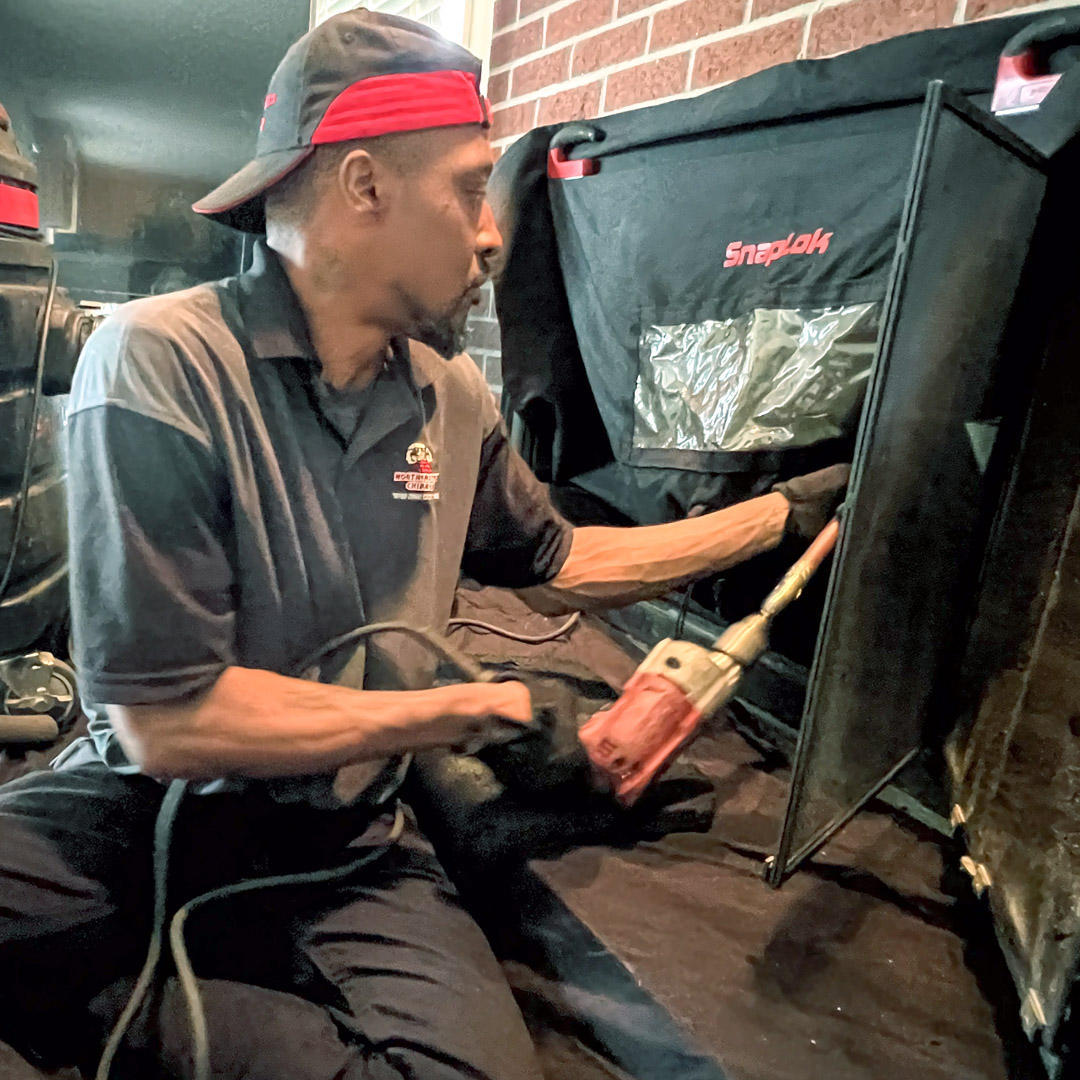
To stress the importance of chimney safety, Northeastern Chimney is proud to participate in Fire Prevention Week alongside the Chimney Safety Institute of America (CSIA), a leading authority in chimney safety, and the National Fire Protection Association (NFPA). Our goal is to educate homeowners about the importance of regular chimney inspections, sweeping, and repairs.  

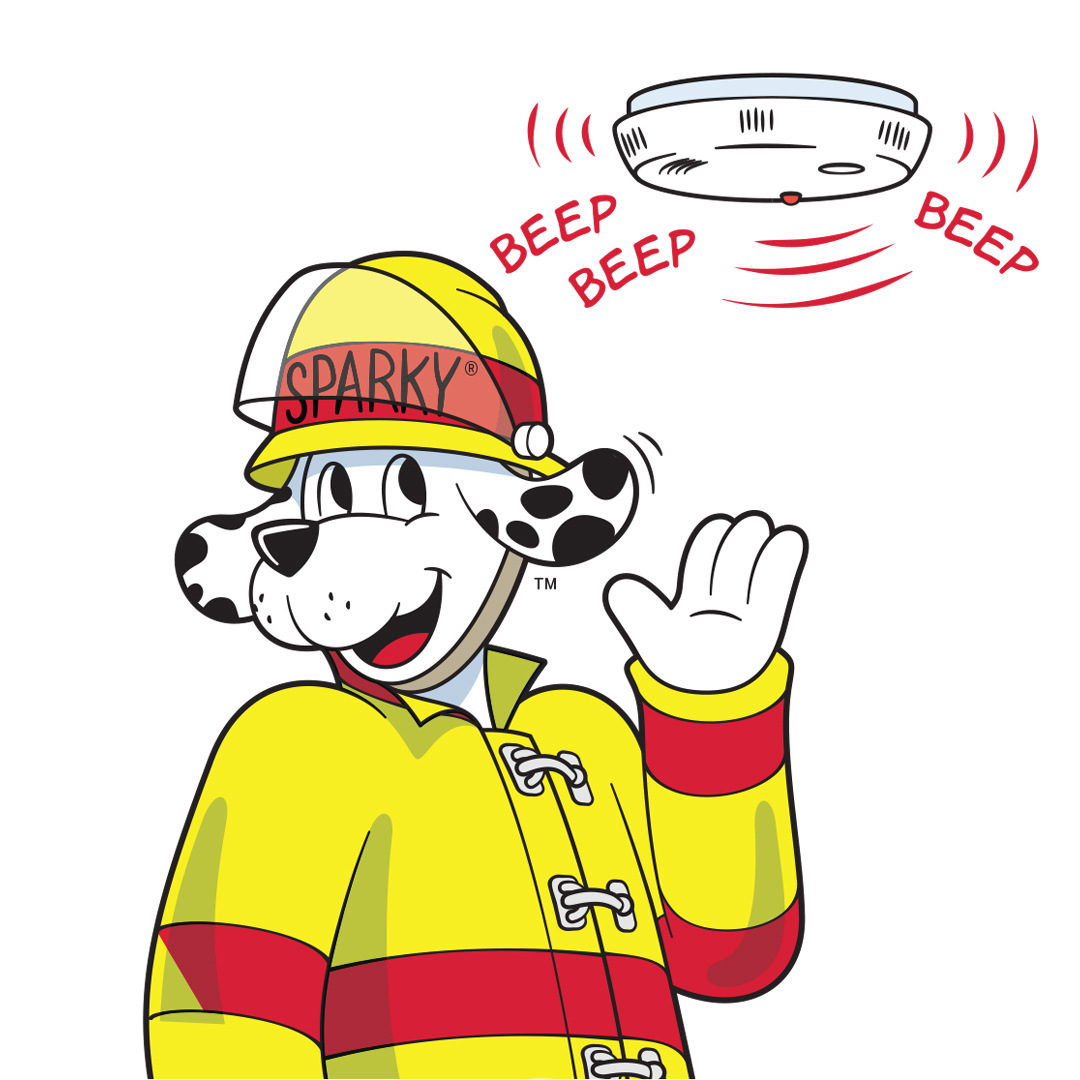
Take a few easy steps to observe this year’s Fire Prevention Week theme: “Smoke Alarms: Make Them Work For You!” Take a walk around your home to ensure that each bedroom has a working smoke detector installed! Install or replace any missing or damaged smoke detectors. Make sure you are testing smoke detectors monthly and replacing them at least every ten years. 

About The Chimney Safety Institute of America

The CSIA-certified chimney Sweep credential ensures that a technician has successfully passed a thorough training program, demonstrating their expertise in chimney and venting systems. To maintain their credential, a CSIA-certified sweep must also adhere to a strict code of ethics and complete a current training program every two years. 

The Importance of Chimney Safety

Why is chimney safety so important? Unfortunately, chimney fires are more common than you might think. Local fire departments across Greater Hartford respond to hundreds of fires each year. Just recently, a Southington homeowner was surprised when a lightning strike set the chimney on fire. Fortunately, the resident evacuated safely, but the blaze caused significant property damage. As certified chimney professionals, our number one priority is to help owners prevent chimney fires with a thorough cleaning to remove flammable creosote buildup. 

Tips for Preventing Chimney Fires

At Northeastern Chimney, we are committed to providing expert chimney inspections, cleaning services, and repairs to homeowners in Hartford, CT. Our CSIA-certified technicians have the knowledge and experience to assess the condition of your chimney, ensure heating appliances are installed properly, and make any necessary repairs and replacements to bring your venting system up to code. 

  • Regular Inspections: Schedule annual chimney inspections to identify and repair minor problems before they become severe.
  • Proper Cleaning: Ensure your chimney is cleaned regularly to remove creosote buildup, a fire hazard.
  • Correct Installation: To ensure the correct and safe installation of your fireplace or stove, only use a CSIA-certified professional.
  • Quality Fuel: Use seasoned wood to minimize creosote deposits.
  • Smoke Detector Maintenance: Install and maintain working smoke detectors throughout your home, including near the fireplace or stove.

Chimney Cleaning in Simsbury, CTRemember: Chimney safety is a year-round responsibility. Regular inspections and maintenance are essential for preventing fires and ensuring the longevity of your chimney system. You can enjoy a safer and more comfortable heating season with annual chimney inspections and cleaning by a CSIA-certified chimney sweep.

Hartford Chimney Sweep Services

Don’t let a chimney fire ruin your winter! Northeastern chimney is committed to providing expert chimney inspections and cleaning services. Our certified technicians have the knowledge and experience to ensure your chimney is safe, efficient, and structurally sound. Contact us to schedule an appointment with a Certified Chimney Sweep® . Homeowners in Canton, Granby, Simsbury, Windsor Locks, and Greater Hartford, CT, trust us for safe, reliable, and efficient service.

The post Fire Prevention Week 2024 | Smoke Alarm Safety appeared first on .

This post first appeared on https://www.mychimney.com

Does A Chimney Sweep Make a Mess?

When a chimney sweep is dealing with ashes, soot, burned logs, and possibly old chimney parts, it is impossible for them not to make a mess. So, if you have been wondering if a chimney sweep makes a mess, they do.

While this is the case, you should note that a skilled chimney sweep should carefully set up a drop cloth or plastic to protect your property and a twin HEPA filter vacuum to keep dust levels low.

They will either start at the flue and up the chimney, start on the roof and work their way down, or do both.

Regardless, the vacuum should run the entire time to keep your home’s air and floor clean.

The sole goal of a reputable chimney cleaning professional is to scrape all of the coating that has accumulated from fires off the chimney lining so that it falls down the chimney. They then carefully vacuum and sweep it away before leaving.

How often should you clean your chimney?

The National Fire Protection Association recommends annual chimney cleaning or inspections. The tasks should be undertaken by a professional chimney service provider accredited by the Chimney Safety Institute of America.

The fireplace chimney and furnace system are pretty complex, and an inspection can detect a possible problem before it becomes a costly repair or a safety hazard.

How do you prepare for the chimney sweep?

It’s always wise to ensure that your fireplace is easily accessible. Move any furniture and decorations out of the way and cover them just in case.

Ensure that access to the fireplace and chimney is unobstructed so that the chimney sweep can do their work.

Chimney sweeps are concerned with your safety inside your house. If you have questions about your fireplace, fireplace safety, brickwork, or the entire chimney service, now is the time to ask.

The quality of their customer service throughout this visit should leave you feeling satisfied with the work and safe to burn a fire.

How does the chimney sweep clean the chimney?

A chimney sweep cleans chimneys, smoke ducts, fireplaces, and flue pipes to minimize gas emissions and soot fires. A chimney sweep also has knowledge and abilities in fire prevention and follows specific standards and procedures to ensure a complete and professional service.

They educate homeowners on proper burning procedures to prevent fires and clean from the bottom up, including the firebox, smoke chamber damper, smoke shelf, and flue liner.

The entire chimney service process can take 20 to 45 minutes, depending on whether the homeowner prepped the area before arrival and whether any fire safety concerns surface in their home. A routine chimney cleaning should take about an hour.

How do you hire the right chimney cleaning professional?

To hire the right contractor for your chimney cleaning tasks, you shouldn’t hire just any contractor. You should take your time and find a reputable professional to help you get the work done.

Some of the things you should do to ensure that this happens include:

Ensure the contractor is regulated

The Certified Sweep Institute of America (CSIA) provides a national training standard for chimney sweeps. You want a CSIA-registered chimney sweep to execute the services for your property.

When hiring, get proof of certification from the guy executing the task. Sometimes, only the proprietor of a sweeping company is CSIA-certified, and he or she will dispatch professionals who have not completed the training or obtained the certification.

Don’t accept an unregulated technician working on your chimney, as they might cause problems. Even if you work with a regulated company, ensure that the individual technicians sent to your property also have the certification. Don’t put your life at risk, and always ask for the certification.

Verify the NCSG membership.

A chimney sweep who belongs to the National Chimney Sweep Guild (NCSG) exhibits a commitment to knowledge and professionalism. An NCSG membership is not a certification, but it does demonstrate that the company is prepared to stay on the cutting edge of the industry, including being aware of the latest technology in chimney sweeping masonry repair and all other aspects of the industry.

Ensure the cleaning professional has liability insurance.

Verifying that the contractor you are working with is fully insured with liability coverage is a crucial way to protect yourself against any damage from a chimney sweep entering your home or going onto your roof. If the company does not have liability coverage, you will be accountable for any damage that occurs and you don’t want this, do you?

Check the current reviews.

Aside from reviewing internet reviews, which a company can fake, ask the chimney sweep company for referrals. Contact the clients who have offered their names and phone numbers to inquire about their satisfaction with the chimney sweep company’s work. Do not engage a chimney sweep who cannot or unwillingly furnish you with the references.

When you receive the references, contact the clients and chat about their experience with the company.

Be on the lookout for phone scams.

Telephone scams for chimney sweep services are expected. Telemarketers that phone and entice you with meager prices sometimes sell leads to unqualified independent contractors who make as many calls as possible in a day.

Even worse, permitting a stranger into your home based on a phone conversation might open the door to criminal activities and expert fraudsters who earn your trust, steal your money, and go.

Even if you desperately need a chimney cleaning services Columbia MD provider to clean your chimney, don’t fall for the phone scams, as they might lead to plenty of problems later down the line.

Instead, you should stick to your lane and do your due diligence to find a suitable professional for your property and someone you feel comfortable allowing into your house.

The post Does A Chimney Sweep Make a Mess? first appeared on First Class Chimney Services.

This post first appeared on https://www.firstclasschimneyservices.com

The World of Gas Logs – Choosing the Right Option for Your Home

Gas logs have revolutionized the way we enjoy fireplaces, offering convenience, warmth, and a touch of elegance without the hassle of traditional wood-burning systems. However, with several options available—vented gas logs, vent-free gas logs, and direct vent gas inserts—it’s essential to understand which type best suits your needs and aesthetics.

Understanding the Differences

A common misunderstanding is that all gas logs are simply referred to as “inserts,” which is inaccurate. Each type serves a distinct purpose and comes with its pros and cons. Vented gas logs are the most aesthetically pleasing but don’t provide much heat. Vent-free logs can efficiently heat a room but may not look as realistic and can emit unpleasant odors. Direct vent options, while requiring upfront installation, offer superior efficiency and odor-free operation, making them a top choice for many homeowners.

Vented Gas Logs

Vented gas logs are designed to be used in traditional wood-burning fireplaces. These logs provide a stunning visual display, creating a realistic flame that mimics a wood fire. However, one of the drawbacks is their heating efficiency; they are not designed to heat a room effectively since they vent combustion gases up the chimney. This makes them ideal for those who prioritize ambiance over heat. If your home has an existing wood-burning fireplace in good condition, vented gas logs could be the perfect choice for creating a cozy atmosphere.

Vent-Free Gas Logs

Vent-free gas logs, on the other hand, offer a more efficient heating solution. These logs are designed to burn cleanly and do not require a chimney or venting system, making them a suitable option for vent-free fireplaces or masonry chimneys that may not meet current codes but can be modified. While vent-free logs can heat a significant portion of your home or living space, they are known to emit an odor that some users find bothersome. Additionally, the appearance of vent-free logs may not be as realistic as their vented counterparts, which can impact the overall aesthetic of your space.

Direct Vent Gas Inserts

For homeowners looking for an economical alternative to costly repairs on wood-burning masonry fireplaces, direct vent gas inserts present an excellent option. Contrary to common belief, inserts are designed to fit inside an existing masonry fireplace, providing a closed system that draws fresh air from outside for combustion. This design eliminates the need for a chimney and significantly increases heating efficiency. Because direct vent systems have a fixed piece of glass over the front, they offer a clean look and create a cozy ambiance without the drawbacks of vent-free options.

Making the Right Choice

When navigating the world of gas logs, it’s essential to consider your specific needs and home layout. Southern Chimneys is here to help you make the best decision based on your wants and needs. Our experienced professionals will assess your existing fireplace setup, discuss your heating requirements, and guide you toward the ideal solution that combines aesthetics, functionality, and safety.

Whether you choose vented gas logs for their beauty, vent-free logs for their heating efficiency, or a direct vent gas insert for an economical upgrade, understanding the differences is crucial for a satisfying fireplace experience. Take the time to evaluate your options and consult with a certified professional to ensure your gas log choice enhances your home’s comfort and charm.

The post The World of Gas Logs – Choosing the Right Option for Your Home first appeared on Southern Chimneys.

This post first appeared on https://southernchimneys.com

(877) 959-3534