Fireplace Safety for Kids
Having a fireplace requires maintenance, but there is more. You need to know the responsibilities and safety precautions if you have kids around. The fireplace is not dangerous when you use it correctly, but it has the potential to cause hazards and death. You need to hire a chimney inspection service for yearly maintenance, and this helps prevent the majority of fireplace issues and accidents, but there is more you can do. If you want your home safe for yourself and your family, there are fireplace safety tips you can follow.
Keep in mind that these tips will keep your fireplace safe for everyone in your home. In this article, you will know what they are so read on.
Set Boundaries
Fireplace fires will not chase after your children and burn them on purpose. Instead, kids who wander too close to their fireplace end up getting hurt. You can prevent accidents by seeing to it that your children can understand that the fireplace is not an area where they can get too close and play.
Depending on how your child is, a simple instruction is to stay at least 5 feet away from a fireplace, and this might be enough. Younger children might have a better response if you use games. You can make an imaginary line, then let your kids know that they should never cross it no matter what the circumstances are.
Have Glass Doors Installed
If there is an open masonry fireplace in your home, you can install glass doors that can keep children safe. While the doors should be open while you are using the fireplace, you should make sure that kids understand when the door is closed, they cannot touch the fireplace. Glass doors are helpful when it comes to protecting them from stumbling into or touching hot ash and logs after a fire is burned. Glass also gets hot, so tell them to avoid getting too close or touching this accessory while it is closed.
Add a Safety Screen
Fireplace screens are beautiful and ornamental – and they are also great safeguards against sparks and embers that are shooting out of the fireplaces while causing kids and pets to be injured. Even if you have a good screen, you must still tell your kids that there is a restrictive perimeter that surrounds your fireplace.
Let Your House Air Out
This is a simple way to get rid of indoor air pollution and have better air quality. Using your fireplace or woodstove regularly can cause the air to try in your home while causing stale air and dust. On a day with bright and clear skies, open the blinds and windows and allow the air to blow inside your house for 1 or 2 hours. This should be a habit all year round, even in the warmer months when you are not using the fireplace so you can detox your space from other pollutants produced by cooking, cleaning products, etc.
You Should be a Good Example
Kids are popular for following the example of adults they are surrounded with. Therefore, if you are poking around and playing with fire, they will most likely follow your example. That is why you must be a good example and practice the safety precautions you enforce. For instance, if you use starter fluids for a fireplace, you need to make sure they are used properly and wisely. You should never overuse the fluid, and it should be far from the fireplace if you are not using it.
You can contact chimney cleaning services Upper Marlboro for their services to keep your fireplace properly maintained and safe.
The post Blog first appeared on First Class Chimney Services.
This post first appeared on https://www.firstclasschimneyservices.com
 What is a Freeze/Thaw Cycle
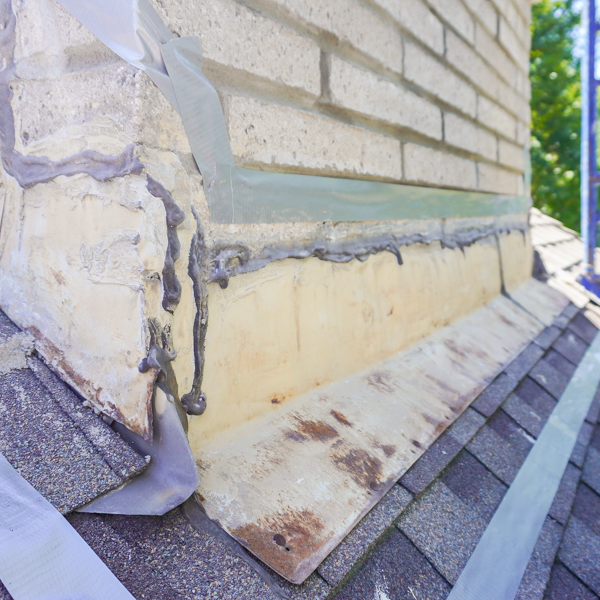 Heavy Snow Can Damage Flashing
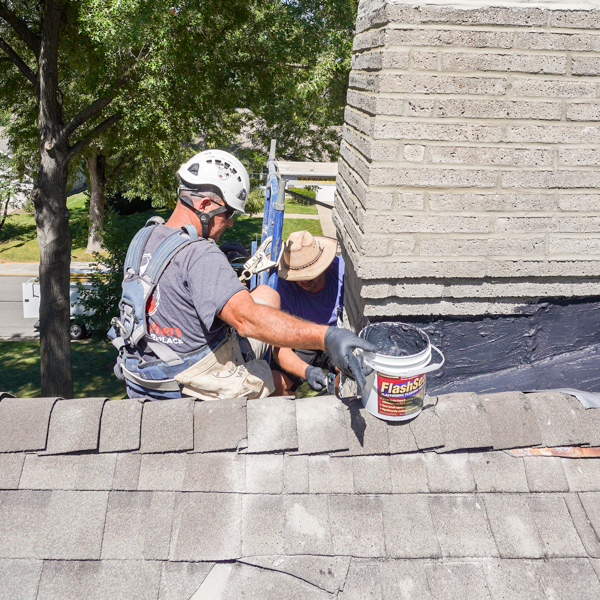 Winter Chimney Repairs
 HERE ARE OUR TOP 8 SIGNS THAT YOUR CHIMNEY NEEDS TO BE CLEANED:
 Consider Providing Makeup Air to Your Home
 Masonry deterioration
 A leaning chimney is a cause for concern