The Inspection Surprise: How a Chimney ‘Fix-Up’ Can Save (or Sink) Your House Sale This Spring
The flowers are blooming, the pollen is coating every car in Georgia with that familiar yellow dusting, and the Atlanta real estate market is officially on fire. If you are getting your home ready for the spring market, you’ve likely already tackled the obvious: fresh mulch in the flower beds, a neutral coat of paint in the foyer, and maybe even a deep clean of the kitchen.
But there is a silent “deal-killer” lurking at the roofline that many homeowners overlook until it’s too late. While you are busy staging the living room and baking cookies for the open house, the buyer’s home inspector is busy looking at your flue. In many cases, a chimney that hasn’t been maintained can bring a smooth closing to a screeching halt. In this guide, we will explore why a pre-listing chimney check-up is the smartest move you can make this season to ensure your home meets code and stays operational.
At Southern Chimneys, we’ve seen it all. A simple “fix-up” before you list can be the difference between a “Sold” sign and a stressful renegotiation.
Schedule your pre-listing checkup!
Why Spring is the High Stakes Season for Chimneys
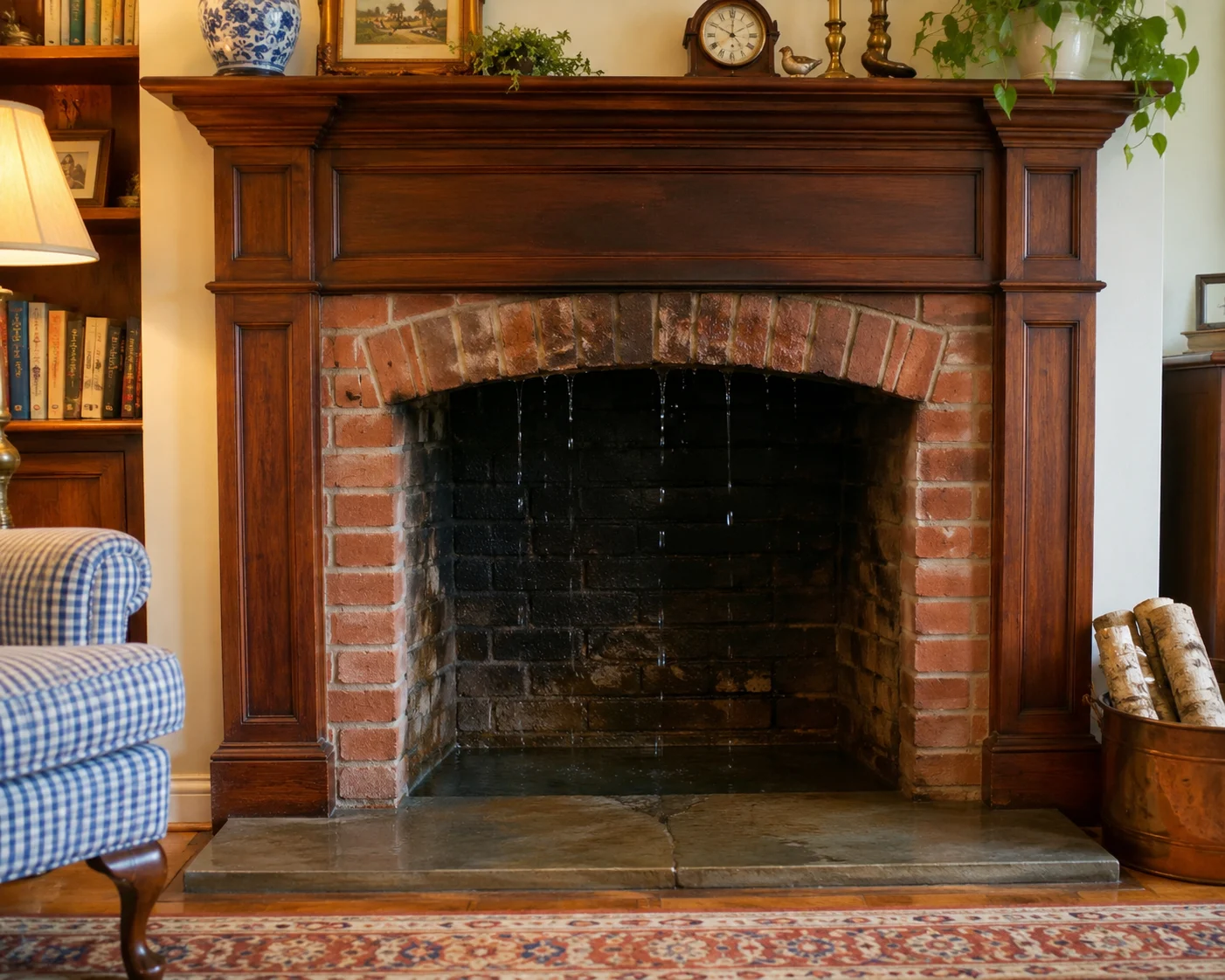
Spring in Georgia isn’t just about warmer weather; it’s about those sudden, heavy rain showers. As we recently discussed in our guide on April showers and fireplace leaks, this is the time of year when water damage becomes most evident.
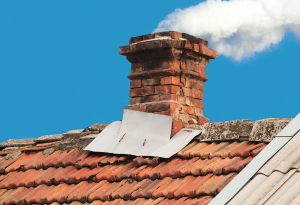
When a buyer’s inspector arrives, they aren’t just looking for aesthetic appeal. They are looking for structural integrity and adherence to industry standards. If they find cracks in the masonry or a rusted chase cover during a rainy week, that becomes a major red flag in their report. In a competitive market, you don’t want “potential fire hazard” or “structural water damage” appearing in bold letters on a buyer’s inspection summary.
Furthermore, water intrusion is cumulative. A small leak in March can lead to wood rot in the framing by May. If a buyer’s inspector smells mold or sees dampness in the attic near the chimney stack, they may recommend a more invasive (and expensive) structural evaluation. Taking care of these “surprises” early keeps you in the driver’s seat and keeps your home in top condition.
The Difference Between a Level 1 and Level 2 Assessment
When you are selling a home, the standard rules of maintenance change. The National Fire Protection Association (NFPA) actually requires a specific type of evaluation during real estate transfers. Many sellers make the mistake of thinking a standard “sweep” is enough to clear the inspection hurdle, but that is rarely the case.
| Evaluation Type | What it Covers | When You Need It |
| Level 1 | Basic visual check of the fireplace and accessible chimney components. | Annual routine maintenance when nothing has changed. |
| Level 2 | Includes everything in Level 1 plus a camera scope of the internal flue and attic/crawlspace checks. | Required for all real estate sales/transfers. |
| Level 3 | Invasive “teardown” to check hidden internal components. | Only if serious structural concerns are suspected. |
Most sellers assume a quick visual “all clear” is enough. However, savvy buyers will demand a Level 2 assessment. This involves a specialized camera being sent up the flue to check for hidden cracks in the liner. These cracks are often invisible from the ground or the fireplace opening, but they are a major building code violation. Finding these issues before you list allows you to control the repair costs and choose your own contractors, rather than being forced to pay a premium at the 11th hour to save the deal under the pressure of a closing deadline.
We’ve got the cameras to see what’s hidden—don’t get blindsided at closing!
Common Spring Chimney “Deal-Killers”
If you live in some of the more established neighborhoods within Atlanta proper, from the historic charm of Grant Park to the sprawling estates of Buckhead, your chimney has likely faced years of Georgia humidity and shifting clay soil. These environmental factors create specific wear-and-tear patterns that inspectors are trained to hunt for.
1. The Cracked Crown
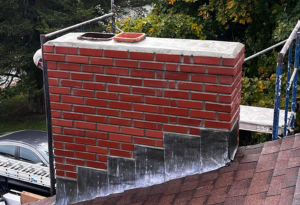
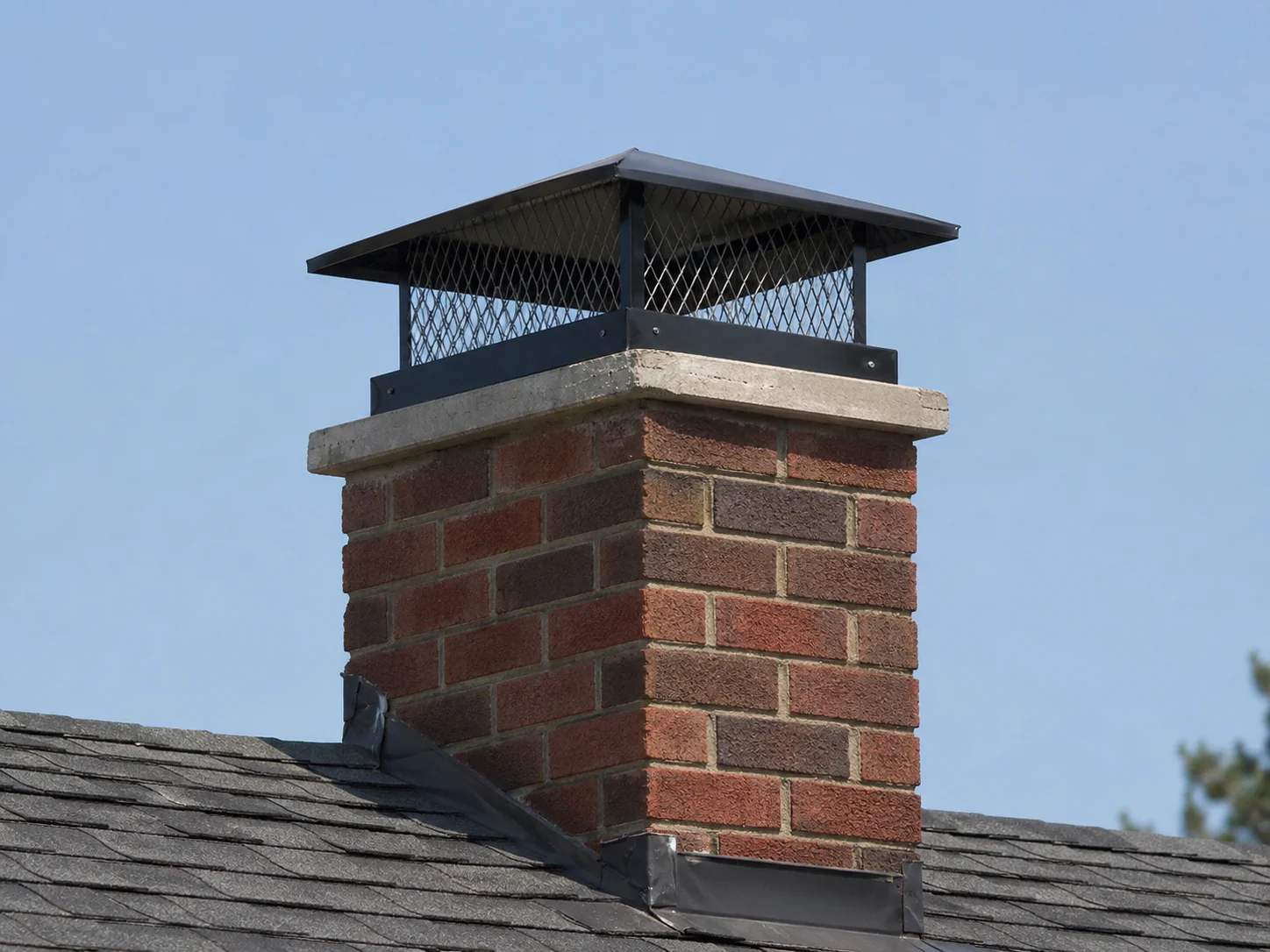
The “crown” is the slab of masonry at the very top of your chimney. Over time, the sun and rain cause it to crack. During a spring storm, water seeps into these cracks, leading to “spalling” (where the bricks start to flake off). An inspector sees a cracked crown as a gateway for mold, rot, and eventual structural deterioration.
2. Deteriorated Flashing
The metal transition between your roof and your chimney is called flashing. If this isn’t sealed perfectly, spring rain will find its way into your attic. Water stains on the ceiling near a fireplace are an immediate “stop” sign for most buyers, as they fear the “M-word”—mold.
3. Animal Residents and “Bio-Hazards”
Spring is nesting season. Chimney swifts and squirrels love the quiet flues of homes that are being staged. If an inspector finds a nest blocking the vent, it’s labeled a carbon monoxide risk. Even worse, the presence of droppings or nesting material can lead to unpleasant odors during a humid Georgia afternoon, which is the last thing you want during a showing.
Evict the birds and keep the buyers—book your spring sweep today!
The Psychology of the Fireplace in a Sale
Why does the chimney matter so much to a buyer? In many Georgia homes, the fireplace is the focal point of the great room. It represents warmth, family, and comfort. When an inspector finds a fault with the chimney, that positive emotional connection is instantly severed. Instead of imagining a cozy Christmas morning, the buyer starts imagining expensive masonry bills and structural liability.
By proactively addressing your chimney’s health, you preserve that emotional value. A clean, certified, and fully functional fireplace is a luxury feature that adds thousands to your perceived home value. In neighborhoods like Morningside, where large family homes are in high demand, a properly maintained fireplace is a non-negotiable for many parents.
Keep the “cozy” and lose the “scary”—let us certify your chimney
The Local ATL Focus
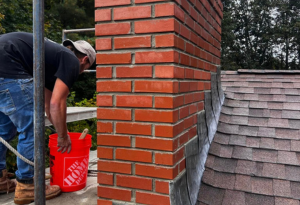
We spend a lot of time working on homes across Atlanta’s most distinct neighborhoods. Whether you are selling a modern home in West Midtown or a classic residence in Ansley Park, the environmental factors remain the same. The high humidity in intown neighborhoods like Inman Park can accelerate the deterioration of mortar joints, making repointing, the process of repairing those damaged joints, a common fix caught during spring inspections.
When you can show a buyer a clean bill of health from a CSIA-certified technician, you aren’t just selling a house; you are selling peace of mind. In a market where buyers are looking for reasons to negotiate the price down, a pristine fireplace is a powerful “value-add.” It tells the buyer, “This homeowner took care of the things that most people ignore.” That builds trust for the entire property.
How a Pre-Listing “Fix-Up” Saves You Money
You might wonder, “Why should I pay for repairs if the buyer is going to do their own inspection anyway?” The answer lies in the economics of a real estate transaction.
- Cost Control: If you hire a professional now, you can get multiple quotes and choose the most cost-effective repair. If you wait until the buyer finds the issue, they will often demand the most expensive “gold-plated” repair option or ask for a massive credit that far exceeds the actual cost of the fix.
- Eliminating Delay: Repairs take time. Parts like custom chimney caps or specific masonry materials may need to be ordered. If a major issue is found five days before closing, you might not be able to find a contractor in time, which can delay the entire move or even cause the buyer to walk away.
- First Impressions: A fireplace that looks soot-stained or smells musty during an open house creates a subconscious feeling that the home hasn’t been cared for. Even if the chimney is technically within functional limits, the appearance of neglect can lower your offers.
What Happens During a Professional Pre-Sale Assessment?
When Southern Chimneys visits your home in preparation for a sale, we don’t just look for soot. We perform a comprehensive audit for code compliance. This includes checking the floor protection around the fireplace to ensure it meets modern standards, verifying that the damper opens and closes smoothly (a common sticking point for inspectors), and ensuring that the chimney is the correct height relative to the roofline to prevent drafting issues and potential fire hazards.
We also look at the exterior. “Spalling” bricks—those that are flaking or crumbling—are a sign that the masonry is absorbing too much water. We can apply professional-grade water repellents that stop this process, often saving you from having to rebuild the entire stack later.
The Southern Chimneys Advantage
At Southern Chimneys, we specialize in helping homeowners navigate the complexities of the spring real estate market. We know exactly what home inspectors are looking for because we are the experts they often call when they aren’t sure about a specific masonry issue.
Our team provides comprehensive reports that you can hand directly to a potential buyer, showing them that your home is maintained, up to code, and ready for many cozy winters to come. This documentation can be the “tie-breaker” if a buyer is deciding between your home and another property in Marietta or Alpharetta.
Get your fireplace “sold-ready” now!
Summary Checklist for Spring Sellers
Before you put that “For Sale” sign in the yard, make sure you’ve checked these boxes. Missing even one of these can lead to an “Inspection Surprise” that costs you the sale.
- Schedule a Level 2 Camera Assessment: This is the industry standard for real estate transfers and ensures your documentation is in order.
- Inspect the Exterior Masonry: Look for cracks in the crown or crumbling bricks from the ground.
- Verify the Flashing: Ensure there are no gaps where the chimney meets the roofline to prevent spring rain leaks.
- Clear the Flue: Remove any nesting animals or debris that may have accumulated over the winter.
- Check for Odors: If your fireplace smells like a campfire on a rainy day, you likely have a moisture problem that needs professional sealing.
- Test the Damper: Ensure it provides a tight seal; a loose damper is a major energy-drain red flag for inspectors.
Selling a home is stressful enough. Don’t let a “surprise” at the top of your house sink your dreams of moving. A little bit of maintenance this spring can save you thousands of dollars and a whole lot of heartbreak at the closing table.
Ready to pass your inspection with flying colors? Let’s get to work!
This post first appeared on https://southernchimneys.com