When your chimney gets dirty you need to clean it. While there are many professionals out there, not all are right for you. To help you out, here are things you should look out for when looking to hire the right chimney sweep:
CSIA certification
The chimney sweep Institute of America (CSIA) certification is proof that a given contractor has the right experience on proper chimney use, maintenance, and repair.
When hiring the contractor, ask them to provide you with written proof of the certification. If working with a company, ask them to give a certificate of the person that will be providing the service.
For you to have peace of mind, don’t hire a person who doesn’t have the certification.
NCGS membership
The contractor you are looking to hire should also be a member of the National Chimney Sweep Guild (NCSG). Although membership to the organization doesn’t mean that the contractor is experienced and an expert, it’s an indication that the professional puts a lot of effort into getting better at their craft.
Studies show that members of the NCSG are well informed about the latest trends in sweeping and masonry repair hence you can rest knowing the contractor you hire will use the latest technologies to clean the chimney.
Verify the insurance plan
An insured contractor gives you peace of mind that you will be compensated in the event of an accident during the cleaning. For example, when they use a tool that damages the chimney.
When hiring the contractor, ensure he/she is experienced and insured. When the contractor gives you the insurance document, take the time to go through it and fully understand what it entails. Ensure that it fully covers your property.
Professionalism
It’s vital that you pay close attention to how professional the contractor is. When you call their phone number, how do they answer the call? Are they professional? When they visit your home, how are they dressed?
A professional technician wears outfits that you can clearly see the organization they work for. An expert technician will also treat you and your home with deference. The technician should also answer all the questions positively and thoroughly.
If you come across a contractor that is rude they aren’t the right people to work with.
Ask for references
An experienced technician should have worked with other clients in the past. Before you hire a technician, ask them to give you a list of at least three clients they have worked with in the recent past.
When you get the risk, don’t just look at it and set it aside. Carefully go through it and even call the clients. Ask them about their experience with the contractor and whether they can recommend the contractor to other people.
To protect yourself, don’t hire a company that doesn’t have references. This is because they are most likely inexperienced or they provide shoddy services and they don’t want you to hear about it from other people.
Promptness
A good company should respond to your queries fast. When you call them and they don’t pick the call, how fast do they get back to you? Remember your time is valuable and should be respected so you shouldn’t work with a company that doesn’t prioritize you.
When you contact a technician, you should set a definite time frame when they will visit your home for inspection. If they say they will call you when they have time, these aren’t the right people to work with.
Work with a company that is eager to start working with you and gives you the precise time when they will visit your home, inspect the house, and start the cleaning.
Prices
While they are often the last things homeowners consider when hiring chimney experts, prices are crucial as they determine the quality of chimney cleaning you get.
You should go for the cheapest contractor in the market to save money, right? Wrong! While you will spend less hiring a cheap contractor, you end up spending more cleaning your chimney. This is because the cheap contractor doesn’t provide a great service.
Since the cheap technician isn’t experienced, he/she might damage your chimney and you end up spending a lot of money on repairs.
You should note you are better off with an experienced technician. While you will pay more for the chimney cleaning services , you will be sure you are getting excellent services.
This post first appeared on https://www.firstclasschimneyservices.com
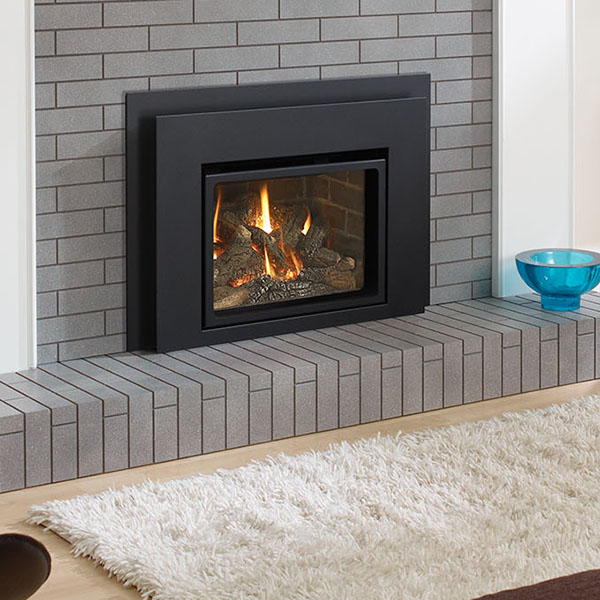 Gas fireplace inserts
 When you prepare to use your wood-burning fireplace, it is important to first think of safety. Your home and family can be in danger if chimney cleaning and other types of
  Chimney Repair
 Types of Gas Appliances
 Make Some S’mores
 Read a Christmas Story