Winter Fireplace & Chimney Checklist from Southern Chimneys
It’s finally cold outside as the official start of winter is right around the corner. With the temperature dropping and your heat running, you’re probably thinking about your chimney and fireplace.
Now’s the time to use this quick checklist and get your chimney ready for winter.
Winter is “go-time” for the maintenance and upkeep on your chimney and fireplace, as keeping them clean and protected will lead to a successful heating experience all winter.
Here’s your checklist of things to do with your chimney this winter:
- Call Southern Chimneys and get an inspection
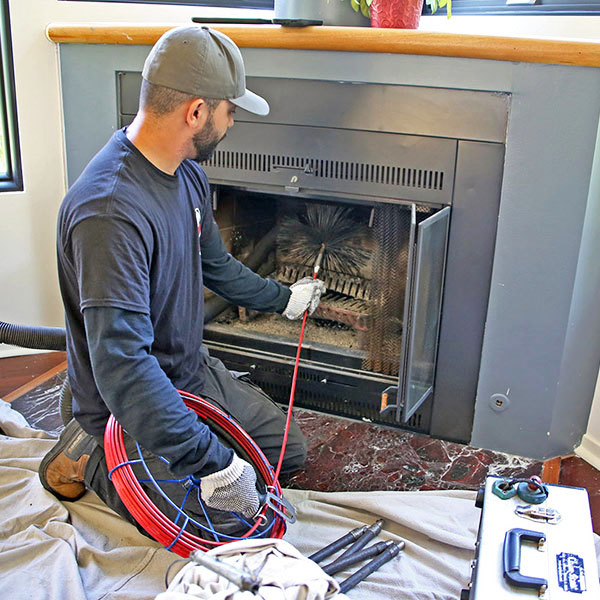
This one may seem like a no-brainer, but a lot of people forget to have their chimneys and fireplaces inspected and cleaned. A proper inspection (like the 18-point one done by Southern Chimneys) will make sure everything is looking good for the winter months ahead. You’ll get out that pesky creosote that’s built up inside, you’ll find any cracks or leaks letting moisture or critters in or out, and you can even discuss converting your wood fireplace to gas logs. - Know your safety!
It’s the time of year when your fire will be roaring. Are you being safe about it? Make sure you have fire extinguishers nearby and know how to use them. Install smoke alarms, and carbon monoxide detectors if they aren’t already. Have a first aid kit handy as well. - Be prepared
What will you do if there’s a major power outage? It happens at least once or twice a winter in the Atlanta area. You should have a generator (with fuel), a battery-operated radio, flashlights, enough food and water for three days, pet supplies, important medications, and at least a half a tank of gas in your vehicle. - Decorate your fireplace!
It’s time to put the stockings up! Your fireplace and hearth are usually the star of the show in Christmas decorations.
It’s always smart to get a jump on things and schedule your chimney and fireplace work and inspections long before the weather cools down. But if you’ve waited until now, there might still be time to schedule an inspection before the worst of winter hits. Give us a call at Southern Chimneys and we’ll help answer all your chimney and fireplace wintertime questions.
This post first appeared on https://southernchimneys.com


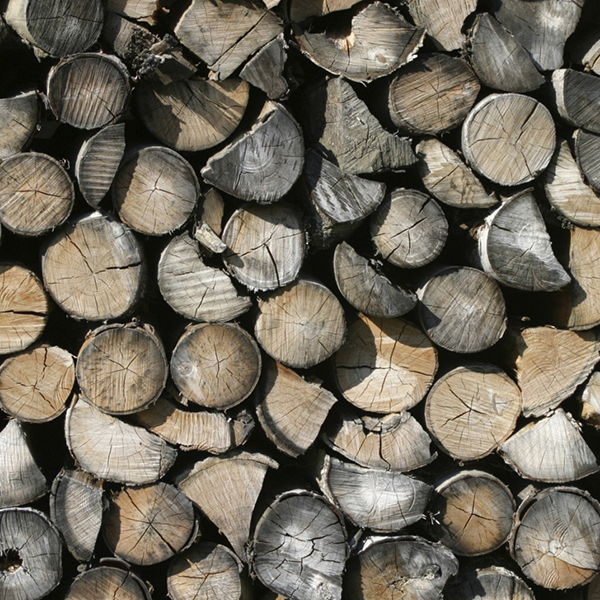 When a tree is freshly cut, the wood contains a lot of moisture – up to 45 percent, according to the Chimney Safety Institute of America (CSIA). And it’s this moisture content that creates more smoke and creosote while also lowering the temperature of the fire. It’s like throwing water on the fire. You not only will need to burn more wood to keep the fire going, but it will also create a dirtier fireplace or wood stove with more creosote, soot, and ash.
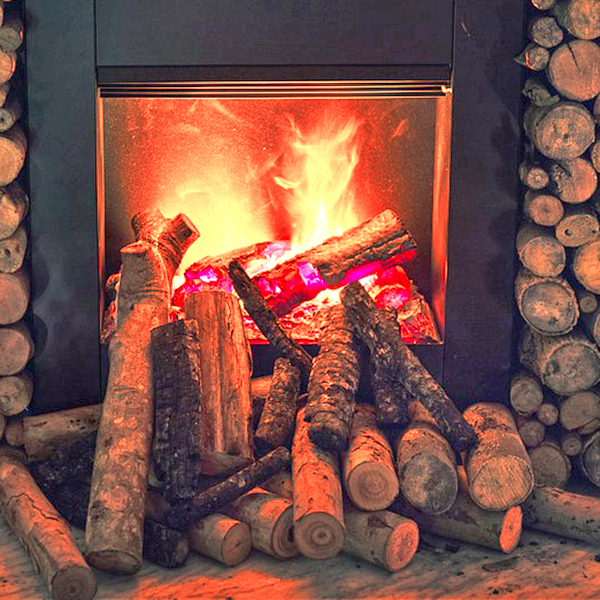 When storing firewood, it should be stacked off the ground and in a dry, ventilated space, like a shed or garage. If you must store wood outside, cover it to prevent exposure to rain and pests, which can cause rotting.
 The holiday season is in full swing. This is the perfect time to light up your gas fireplace! Sitting beside a glowing hearth is a relaxing way to end a long day spent rushing around in Connecticut’s chilly weather. When friends or family come over, they’ll be happy to gather around the fireplace to chat or play games. Before you ignite your fireplace this season, there are a few steps you should take to ensure it is safe.
 Fireplace doors play an important role in protecting your home by stopping carbon monoxide and sparks from escaping. That’s why they should be able to close tightly. The glass on the doors shouldn’t have any flaws. A flaw in the glass, like a scratch, can weaken it and make it unable to safely endure the high heat of the fire.
 When a fireplace runs efficiently every winter, it doesn’t happen by accident. A set of conditions work in harmony to ensure that fires burn hot and combustion byproducts exit through the chimney. All fireplaces and chimney systems need maintenance to keep those ideal conditions in place. The following tips can help to ensure that your fireplace runs efficiently this winter.
 It’s impossible to have an efficient fireplace if you burn green wood. Fresh-cut firewood is packed with moisture, and burning it creates excessive smoke and leaves behind excess creosote in the flue. Firewood should be seasoned before burning it. To season firewood, let it dry out for 6 to 12 months. Wood piles should allow for airflow between pieces of wood. Sun should be able to get to the wood, though it also needs protection from the rain.
 Gas fireplaces are popular for many reasons including beauty, ease of use, EPA-standard efficiency and great heating performance. To operate your gas fireplace safely, there are a few things you need to do on a regular basis. Here are some simple maintenance tips to get your fireplace ready for winter.
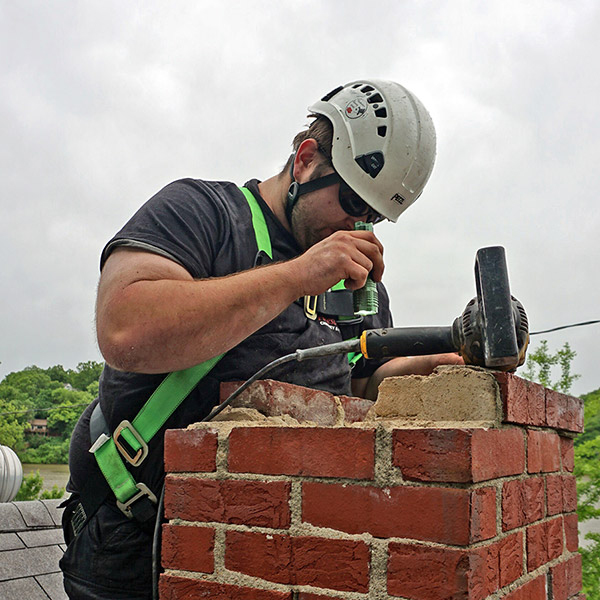 Pilot light inspection
 The only thing better than a fireplace in the winter is an efficient fireplace in the winter. By following these six tips for max fireplace efficiency and safety, you’ll make a big difference in how much you enjoy your fireplace during the cold months.
 Tip 3: maximum performance
 Many homeowners depend on
  It produces a lot of smoke
 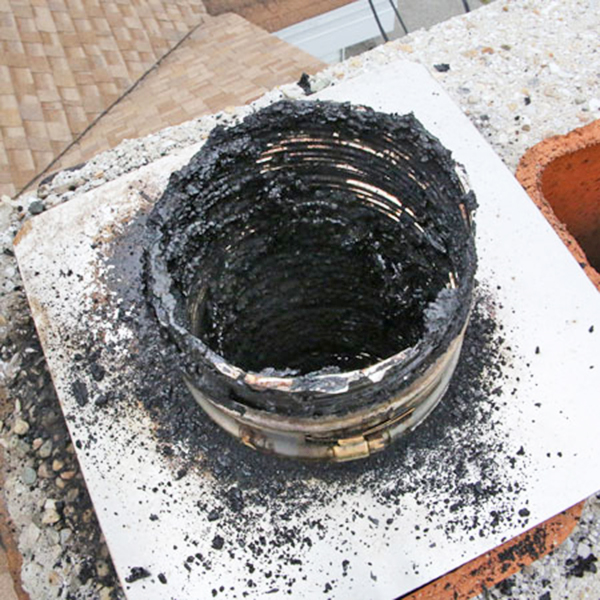 If you use a wood-burning fireplace, beautiful fires should be expected every time you fire up. So should the production of creosote. You can’t burn wood without creating at least some of this flammable smoke byproduct, but you can keep creosote buildup inside your chimney at minimum levels.
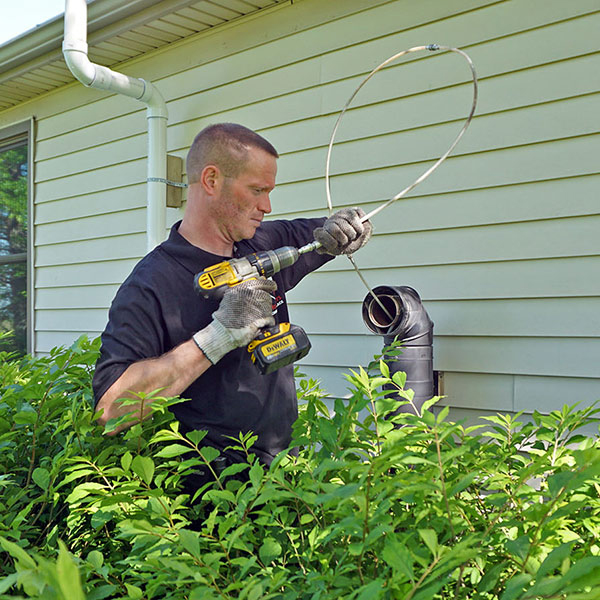 “Chimney sweep” is the common name for people who clean chimneys. The best chimney sweeps hold professional industry certifications such as Master Chimney Sweep and Certified Chimney Sweep, designations given by the Chimney Safety Institute of America. Always look for industry credentials when hiring someone to clean your chimney.