Time’s up! Why NOW is the time to get your chimney inspected!
You put it off all spring. You forgot about it during the summer Well, now the time is up and cold weather is here. Now you’re worried about your chimney!
Sure, it looks fine, there’s no smell or water damage evident. Plus, it’s the holiday season approaching and you’re just so busy… In reality, there’s no better time than now to get your chimney inspected! And while you’re at it, mark next year’s calendar too because that chimney inspection should be a regular, annual event.
Why do you need to get a jump on getting your chimney inspected now?
Safety – a lack of maintenance can lead to chimney and house fires. A regularly scheduled chimney inspection will prevent this. In fact, an annual chimney and venting system sweeping and inspection is recommended by the National Fire Protection Association and the Chimney Safety Institute of America.
Money – Many homes don’t get their chimneys inspected, and they wind up getting them repaired because they didn’t take that time. Being proactive stops this. You will save so much more money on an inspection and sweep than you will when you have to have major repairs done.
Lack of knowledge – …and that’s okay! It’s normal and happens all the time, but most people move into a home or begin renting one with a chimney and have no idea what condition that chimney’s really in. Don’t let that be you. For instance, how’s your cap? Do you even have one? Do you know what it is?
Peace of Mind – The masonry of a chimney is made to last forever and hold up like a house, so chimney damage is something that you can’t really see and, the worse it gets, the more expensive it is to repair. If you get things checked out every year, you don’t have to worry about it!
Keeping your chimney and fireplace properly maintained can protect your wallet and home. Give Southern Chimneys a call. We will save you money by doing a great job at the best price. Schedule an inspection with us today and you’ll see why we’re a different kind of chimney services company.
This post first appeared on https://southernchimneys.com
 A lot of times when fires in a fireplace are less than spectacular – when they’re too smoky, don’t last very long, produce excess soot and creosote – it’s not the fault of the fireplace. Often, the only problem is the wood that’s being used.
 Logs stored outside should be set on some kind of small riser/pallet to keep them off the damp ground. Cover the stack with a waterproof tarp, but leave the ends open so air can circulate within the logs and aid in the drying process.
 When the weather turns colder, cozying up to the warmth of a crackling fire in the fireplace is something many homeowners enjoy. But not everyone looks forward to lighting it. If this sounds like you, then you’re in luck. The following guide will show you the right way to light a fire in the fireplace and keep it lit.
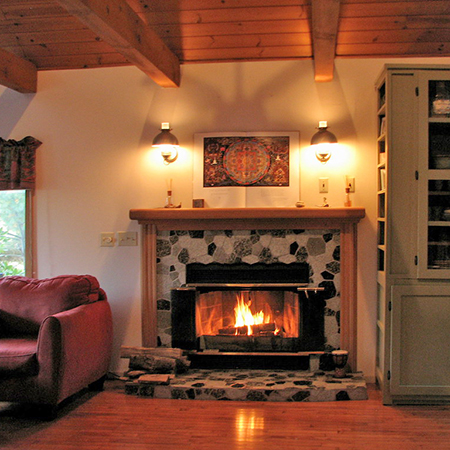 Warm up the flue. You can light your fire without warming the flue, but you could experience a draft where smoke may flow back into your home. To warm the flue, light some rolls of newspaper and hold them up inside the flue for around ten to fifteen seconds. It will also reduce air pressure, and oxygen will flow more smoothly.

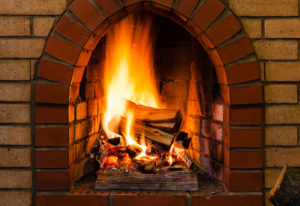 When a fire burns in your fireplace it constantly produces soot and creosote and deposits them into the chimney flue. Soot is merely carbon, harmless unless it’s allowed to buildup and cause an obstruction. Creosote is produced when organic materials are burned and is made up mostly of tar, a sticky, flammable substance. It builds upon itself until a significant buildup occurs, slowing the flow of air through the flue. As efficiency drops, the buildup worsens and hot air begins to stall in the system. As temperatures increase, the creosote boils and the water evaporates leaving a concentrated, hardened mass when the creosote cools. This buildup called “glazed creosote” is highly flammable, obstructs airflow, and is difficult to remove. Because of this, creosote should be removed before it reaches 1/8 inch in thickness. A standard chimney sweep can remove creosote, but glazed creosote requires a special industrial solvent that transforms the creosote as it’s absorbed.
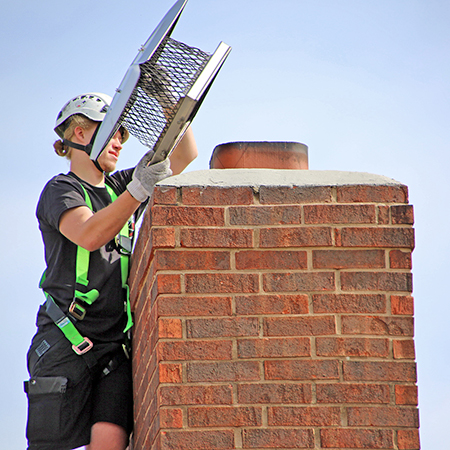 The
The 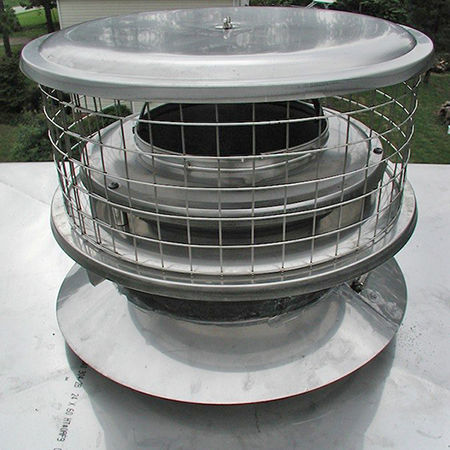 You should also replace the chimney cap when it begins to rust or corrode. The continuous exposure to moisture, creosote, and other contaminants can result in rust or corrosion and weaken its effectiveness. When the chimney cap is heavily rusted, it can easily rip apart. Even small animals looking for shelter can force their way through the weakened mesh and obstruct the flue.
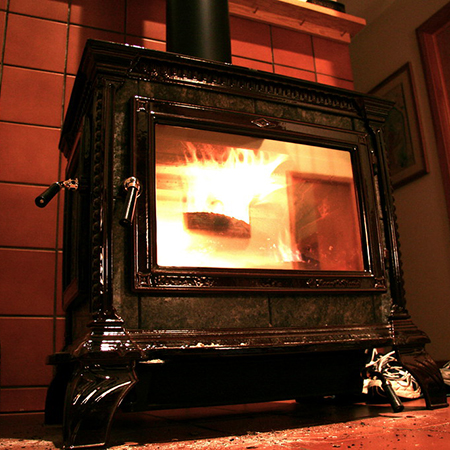
 The quintessential wood stove is an indispensable source of heat for many homeowners, especially in older homes built before the arrival of central air. And since modern wood stoves are more environmentally friendly than ever before, they have grown in popularity. But whether you use a wood stove for primary or supplemental heating, you need to make sure you are operating the appliance safely.
 The stovepipe vents the smoke and fumes in the wood-stove out through the chimney. It is unsafe to use a stovepipe without connecting it to an approved chimney system. A combination of high temperatures along with CO2 gases along with creosote buildup inside the stovepipe can start a fire. Periodically cleaning the stovepipe and ensuring it is correctly vented to the chimney reduces the risk of fire and carbon monoxide poisoning.
 Today’s wood stoves make elegant and useful additions to any home. They’re efficient and beautiful and give you years of performance. You can enhance the performance and safety of your wood heating stove by following these seven tips.
 The primary maintenance job with a