How to Improve a Drafty Fireplace?
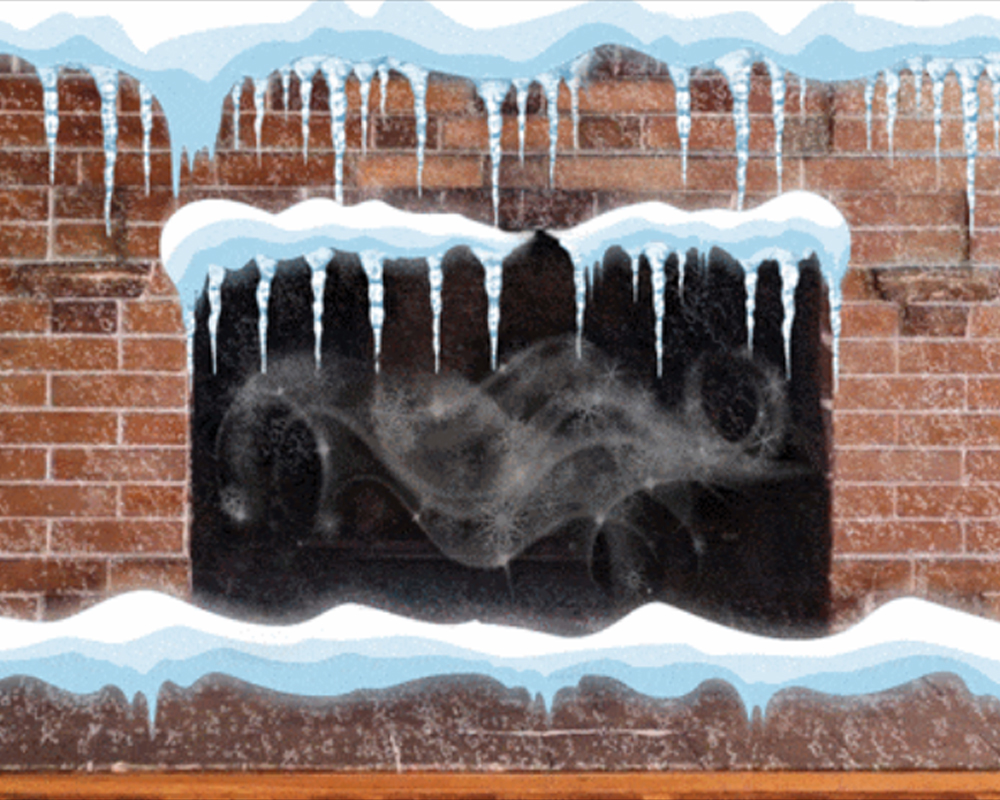 Although you may have a warm, glowing fire, your fireplace may still feel a bit drafty. While you’re using the fireplace to stay warm, the chimney is pulling in the cold, outside air to keep the fire going. But, warm air rises, so out the chimney goes most of the heat, leaving you a bit chilly on the inside.
Fortunately, there are a few things you can do to improve a drafty fireplace and make your home more energy-efficient at the same time.
Check Weather-stripping for Windows and Doors
The U.S. Department of Energy estimates that over $35B per year in energy is wasted through air leaks in windows and doors throughout the home. Sealing doors and windows with weather-stripping can increase the energy efficiency of your home and help reduce drafts.
Inspect the Damper
The fireplace damper is one of the most significant sources of energy loss. The damper must remain open while you are burning wood in the fireplace. But once the fire is extinguished, many homeowners forget to close it. Closing the damper after the fire is out and when you’re not using the fireplace will keep your home warmer for longer and reduce fireplace drafts. Also, the damper should be inspected regularly and repaired if it no longer forms an airtight seal when shut.
Top-sealing dampers have a rubber seal that needs replacing from time to time. And throat dampers can become warped or corroded. Partially closing the damper when burning wood logs will also reduce fireplace drafts. It will give your fire the oxygen it needs to burn while allowing contaminants and particulate matter to vent through the chimney.
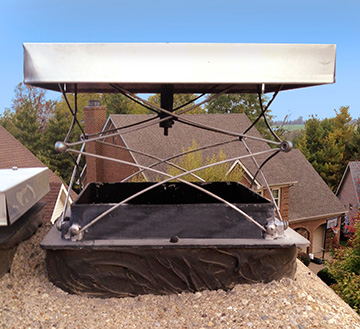 Glass Fireplace Door
You can enhance the appearance of your fireplace and save energy and increase fireplace safety with tempered glass doors. If you have an open drafty fireplace, a mesh screen is not enough. Installing a glass door protects your pets and family members from fire hazards and saves on energy too. Fireplaces will use less inside air during combustion when the glass doors are closed, thus improving its efficiency.
Draft Plug
Your chimney or hearth professional can install a fireplace draft plug, also known as a draft stopper or draft guard, that will significantly reduce drafts when the fireplace is not in use. Its primary purpose is to prevent the heated air from exiting the chimney. The plug is easily removed when you want to light the fireplace.
Fireback
Firebacks are another affordable way to reduce drafts and increase the energy efficiency of your fireplace. It not only protects the firebox from fire damage, but it also absorbs and radiates the heat back into the living space. Many decorative designs will enhance the appearance of your fireplace. There are also other options like installing top-sealing dampers and grate heaters that will reduce drafts and increase the heating efficiency of your fireplace. These small investments are an inexpensive way to make your home and fireplace more energy efficient.
The post How to Improve a Drafty Fireplace? appeared first on Fluesbrothers Chimney Service.
 Assuming your fireplace and
 Top-sealing damper
 Traditional masonry chimneys aren’t built to last forever, and thanks to unavoidable rain and moisture, these structures can become damaged and unsafe faster than you would expect.
 Annual chimney sweep services


 Gas
Gas Do you want to update your fireplace or add a new fireplace in your home? When you buy an EPA-approved fireplace, you are getting an efficient heating appliance that can help you cut your winter utility costs. Zero-clearance fireplaces can be installed in virtually any room of your home. Below, learn about a great way to upgrade your fireplace and also possibilities for new, modernized fireplace installations.
 A New Fireplace Installation
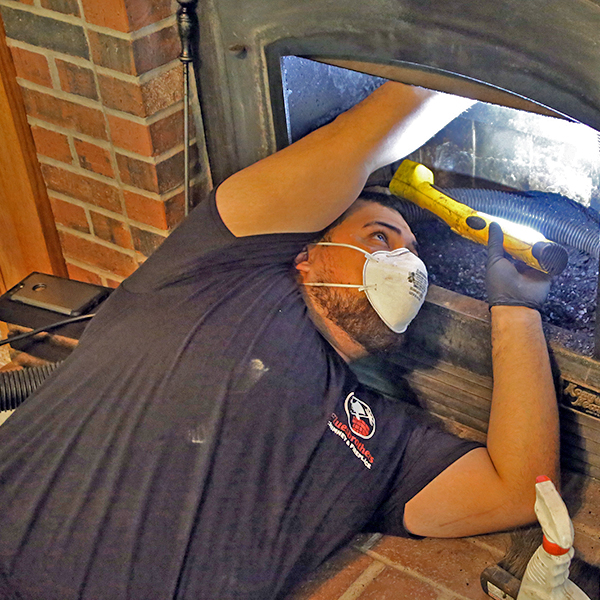 As solidly as chimneys are constructed, if regular care and maintenance are neglected, they easily can become hazardous. If you have a home with an active fireplace, here are a few tips on how to care for your chimney.
 Annual chimney sweep
 A fully functional chimney is a safe chimney. A damaged chimney can be dangerous. Fortunately, you can spot many signs of
 Issues inside the flue