Should I Keep My Chimney Damper Open or Closed During the Summer?
Even though summer is not a time during which people use their fireplaces, there are still some summer chimney tips that homeowners should know. One important piece of knowledge to have is what to do about your chimney damper. Clients often ask us “Should I keep my chimney damper open or closed during the summer?” Today, we’ll dive into what you should do with your chimney damper during the summer and why.
 At Boston’s Best Chimney, we are a one stop chimney service company specializing in every aspect of chimney maintenance and repair. Whether you are looking for a chimney inspection, a chimney sweep, chimney masonry work, or another service, we can help you. We serve Boston, Massachusetts and the Greater Boston area and are ready to assist you. Click here or call (781) 893-6611 to contact us.
Before we discuss what to do with your chimney damper during the summer, we’ll give you some background information on chimney dampers.
What is a Chimney Damper and How Does it Work?
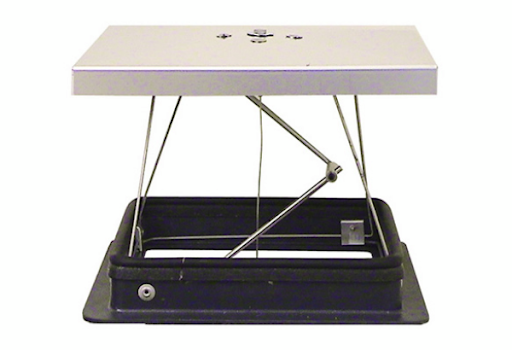
The chimney damper is the mechanism that opens and closes to give you access to the flue (venting passageway). Your chimney damper is an important chimney component that seals off the outside from the inside. With the door shut, it discourages cold air from entering the home when the fireplace is not in use. Similarly, it keeps conditioned air in the summer months from escaping from the chimney flue Prior to starting a fire, the fireplace damper should be opened to allow smoke to escape.
Should I Keep My Chimney Damper Open or Closed During the Summer? 
One of our off-season fireplace and chimney maintenance tips is to close your chimney damper when it is not in use. This can reduce your energy bills by preventing warm air from the outside from entering your home. If you have your damper open, it is like having a window open while your air conditioner is running.
Keeping your damper closed during the summer can also help keep critters out during a time of the year when wildlife is abundant.
Finally, any creosote that may be in your chimney may begin to smell if the damper is open and lets in hot air. This is one reason why people complain about their fireplace smelling during the summer. Regardless of whether or not creosote is causing your fireplace to smell, it is essential to have your chimney swept once a year to prevent creosote build up, which only becomes more difficult to remove over time.
When to Keep Your Damper Open
The exception to our recommendation to keep your damper closed in the summer is if you have a gas fireplace log set. The damper either needs to be permanently removed or fixed in the open position to prevent carbon monoxide leakage.
Call Boston’s Best Chimney for Your Boston, MA Area Chimney Needs
Summer is a great time to service your chimney. If your chimney needs to be swept or inspected, or if you have any other chimney needs or questions, do not hesitate to click here or call (781) 893-6611 to contact us.
The post Should I Keep My Chimney Damper Open or Closed During the Summer? appeared first on Boston's Best Chimney.
 Reasons Why You Should Have Your Chimney Swept During the Summer
 Common weather events that can damage a chimney
 Drone Inspections Tell Us
 When a new baby arrives, things start to change. New parents begin to experience no sleep, poopy diapers, bottles, formula, along with a new sense of safety concerns. Safety issues come from every corner of the house. Electrical outlets need to be covered, cabinets safety proofed, and sharp objects need to be out of reach. Does anyone think about the fireplace? That thought ordinarily doesn’t come until after the baby becomes mobile. It is possible to have a fireplace, stove, or
  Fireplace Inspection & Cleaning