Is It Me or the HOA? The Stress-Free Guide to Townhouse and Condo Chimney Restoration This Summer
Have you been staring at your townhouse chimney wondering whether a summer repair is your financial burden or your HOA’s responsibility? The heat is thick, the sweet tea is flowing, and afternoon thunderstorms roll through the metro area with clockwork precision. While most people focus on staying cool or planning weekend trips, savvy townhouse owners know that summer is the ultimate season for property maintenance. When the weather is dry and the autumn chill is still months away, you have the perfect window to evaluate your home. If you have been ignoring a drafty fireplace, a lingering smoky odor, crumbling exterior brickwork, or a mystery water leak near your roofline, you need to think about chimney restoration.
Living in an Atlanta townhouse offers a fantastic blend of community amenities and personal homeownership. You get the spaciousness of a single-family home without exhausting weekend lawn care. However, when structural maintenance issues arise, the convenience of a Homeowners Association can quickly turn into a maze of confusion. You might find yourself standing on your patio, staring up at your chimney, and asking a very common question: Who is actually responsible for fixing this? Is it your personal financial burden, or does the HOA foot the bill?
Navigating the line between individual homeowner responsibility and community property can feel like decoding an ancient secret language. At Southern Chimneys, we help homeowners across the Greater Atlanta area figure out exactly where they stand. This guide will walk you through a stress-free plan to handle townhouse chimney restoration this summer.
Schedule Your Diagnostic Inspection
The Great Divide: Understanding “Walls-In” Versus “Exterior” Rules
To solve the mystery of who pays for chimney repairs, you must understand how townhouse communities structure property ownership. In most Atlanta developments, owners are responsible for everything from the drywall inward, which is often called a studs-in policy. Conversely, the HOA typically covers the communal roof, exterior siding, shared structural elements, and landscaping.
Chimneys occupy a massive architectural grey area. They sit on the outside of the building, penetrate the communal roof, and connect directly to your private living room. This leaves owners wondering if they are considered part of the roof system or classified as an exclusive use element.
The answer is buried deep within your Covenants, Conditions, and Restrictions document. Commonly referred to as the CC&Rs, this packet of community laws dictates your exact maintenance boundaries. In some communities, the HOA fully covers the exterior chimney structure, the metal chase cover, and the chimney cap because they are integrated into the shared roofline. In neighboring developments, the HOA declares the entire chimney a limited common element dedicated solely to your specific unit, which places the financial burden of all repairs and maintenance on your shoulders.
Before you panic about a potentially massive repair bill, you need concrete facts. You need a clear understanding of the physical damage and a firm grasp of your community bylaws. Guessing will only lead to frustration.
Atlanta Neighborhood Scenarios: Who Pays for What?
To make this complex topic easier to understand, let us look at a few hypothetical situations across iconic Atlanta neighborhoods. Every community is legally unique, but these examples highlight the most common HOA dynamics you will encounter.
The Buckhead Chase Cover Crisis
Imagine you own a three-story townhouse in Buckhead. During a heavy July downpour, you notice an ugly brown water stain spreading across your living room ceiling right next to the fireplace. A professional inspection reveals that your rusted metal chase cover is allowing rainwater to pool and leak down the outside of the flue. In this scenario, the exterior chase cover is almost always considered part of the roof system. Because the HOA maintains the roof to protect the structural integrity of the entire building, they are highly likely to cover the cost of a new custom chase cover and the associated waterproofing.
The Midtown and West Midtown Internal Firebox Failure
Down in Midtown or West Midtown, you might reside in a modern townhouse equipped with a high-efficiency gas fireplace. You go to turn it on during a cool evening, only to find the electronic ignition system is unresponsive and the interior refractory panels are cracked from years of use. Because these delicate components are located entirely inside your unit and serve only your specific fireplace, the HOA will consider this an interior maintenance issue. You will need to cover the cost of the internal firebox repair, the gas log servicing, and the replacement parts yourself.
The Grant Park and Inman Park Masonry Mystery
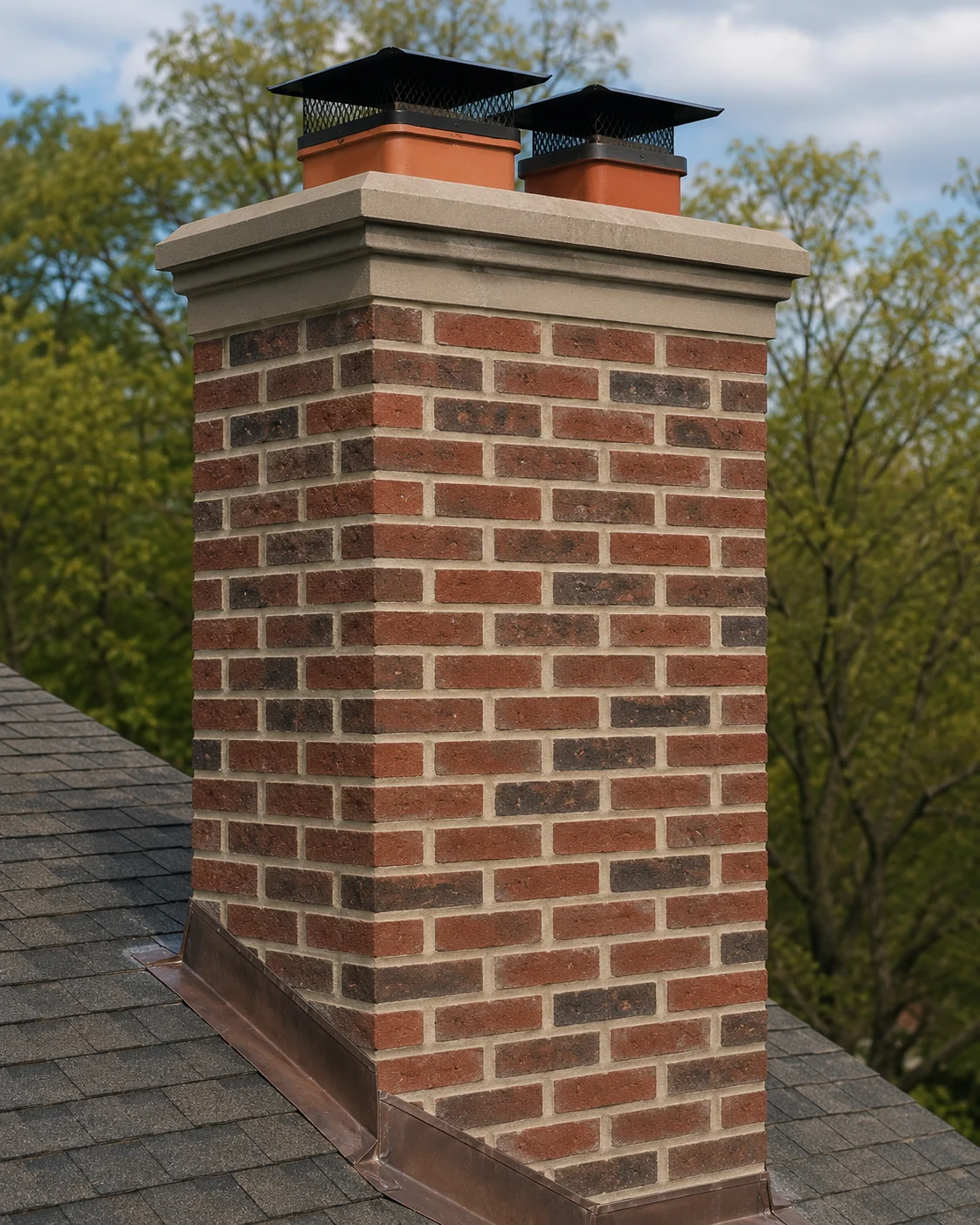
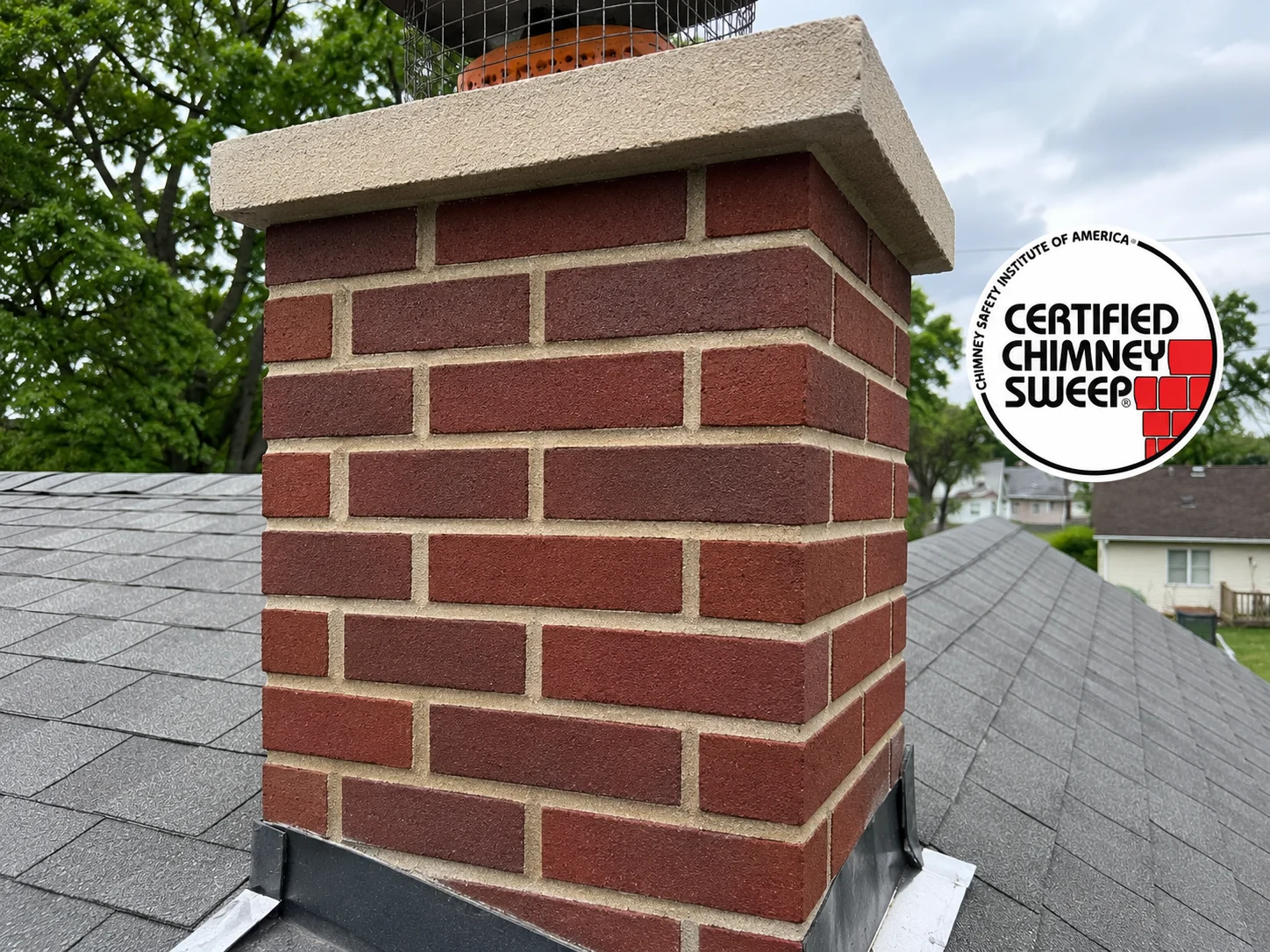
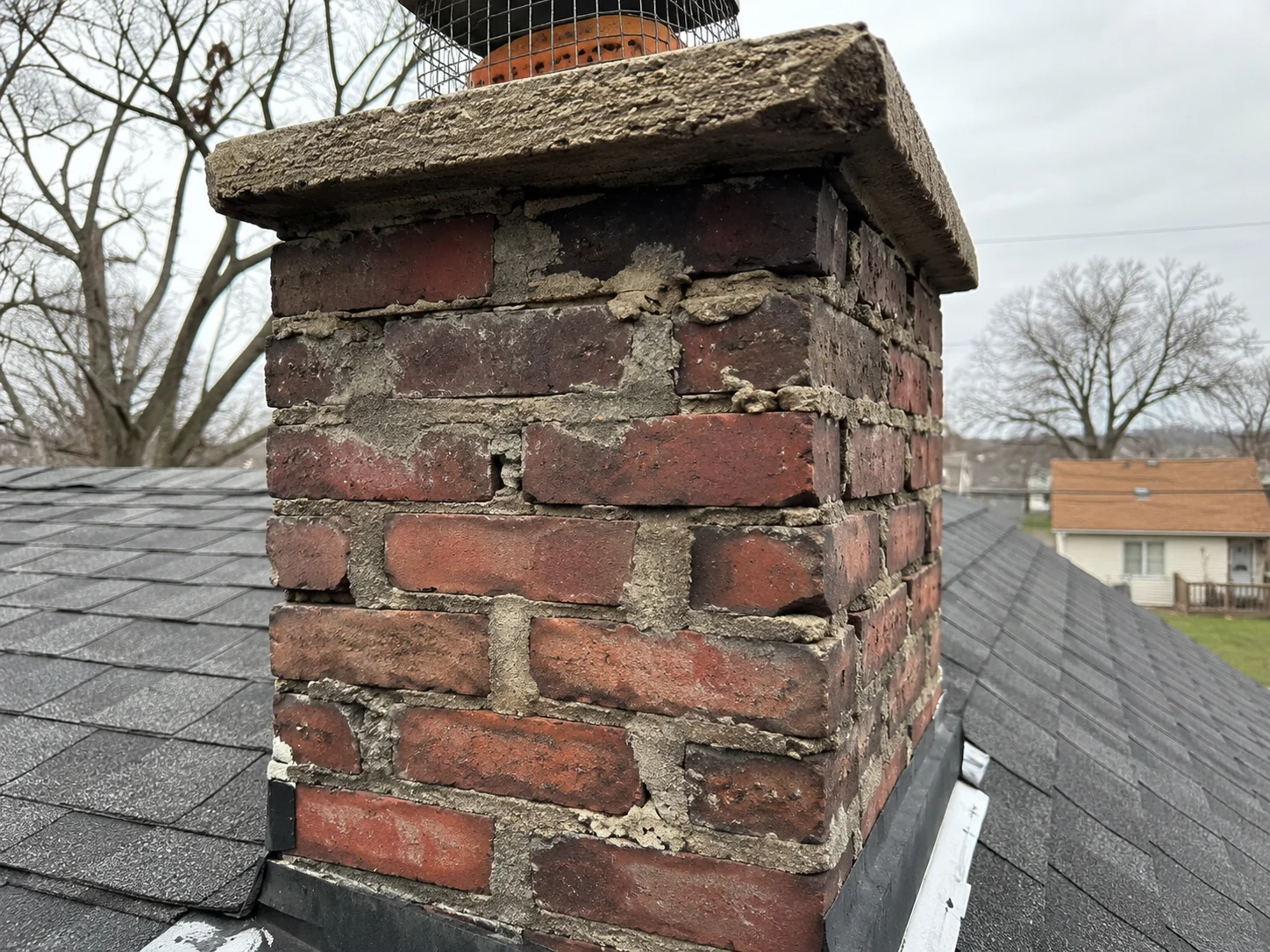
Over in Grant Park or Inman Park, historic brick townhouses offer incredible charm alongside unique maintenance challenges. Suppose the aging mortar on the exterior of your brick chimney is turning to dust and falling onto your patio. Crumbling masonry is an obvious, dangerous structural issue. In traditional townhouse setups, the HOA covers exterior brickwork and essential tuckpointing to keep the neighborhood looking uniform. However, if the HOA rules explicitly state that chimneys are exclusive elements tied strictly to the individual homeowner, you might find yourself covering the exterior masonry waterproofing entirely by yourself.
The Decatur and Candler Park Sweeping Surprise
Picture a cozy, tree-lined townhouse community in Decatur or Candler Park. You proactively hire a technician for a routine summer sweeping and inspection. The specialist discovers severe creosote buildup and a badly cracked terracotta flue liner. While the HOA might manage the exterior brick facade, the interior flue liner is often classified as a strict homeowner responsibility. The flue requires regular, private maintenance to prevent damage, meaning the resulting internal damage is your financial burden to fix.
Request a Chimney Consultation Today
Breaking Down the Responsibilities
Visualizing these legal and structural boundaries can save you hours of headaches. We have compiled a quick reference guide to help you understand the standard division of labor. Keep in mind that your specific HOA rules will always have the final say, but this chart represents the most common arrangements we see across the metro area.
| Chimney Component | Typical Responsibility | Action to Take Before Repair |
| Exterior Brick & Mortar | HOA | Submit inspection photos to the board for tuckpointing approval. |
| Chimney Cap & Chase Cover | HOA (Usually) | Check if roof components fall under community maintenance clauses. |
| Interior Firebox & Gas Logs | Homeowner | Book a repair directly with a certified fireplace technician. |
| Flue Liner & Sweeping | Homeowner | Schedule an annual sweep to maintain personal safety and efficiency. |
| Roof Flashing | HOA | Report water leaks immediately to your property management team. |
| Water Damage Inside Unit | Homeowner/HOA Split | Get a professional inspection to prove the leak originated outside. |
Your Stress-Free Summer Action Plan
Summer is the best time to handle these complicated projects. The weather is predictable, expert technicians are not yet booked solid with the frantic autumn rush, and you have plenty of time to navigate the HOA bureaucracy before winter arrives. Here is your definitive, step-by-step plan for a seamless restoration.
Step One: Book an Inspection First
Do not approach your HOA with a vague complaint about a weird draft or a strange burning smell. Volunteer boards and busy property managers deal with dozens of maintenance requests every week. To get your issue prioritized, you need undeniable proof of the problem. A professional, certified inspection gives you a highly detailed, photographic report outlining exactly what is wrong. Certified reports carry the professional weight you need to prompt action from an unresponsive board.
Step Two: Review the Bylaws Together
Once you have your comprehensive inspection report in hand, open your CC&Rs. Look closely for sections labeled Exterior Maintenance, Roofs, or Limited Common Elements. Compare the damaged components listed in the report directly to the responsibilities outlined in your legal documents. If the leaking roof flashing is clearly an HOA problem, you can submit the report directly to the property manager as proof of their liability.
Step Three: Submit an Architectural Review Request
Even if you are paying for the repairs completely out of pocket, exterior modifications usually require formal board approval. If you are replacing a rusted chimney shroud with a modern copper cap, the HOA will want to ensure the new design matches the overall community aesthetic. Submit your detailed repair proposal and product photographs alongside your architectural review request to speed up the approval process.
Step Four: Schedule the Work While the Sun is Shining
Once the paperwork is cleared, book the repair immediately. Summer provides the dry days necessary for masonry sealing, exterior tuckpointing, and heavy roof access. By completing the work in July or August, you guarantee your fireplace will be safe and fully operational the first time the temperature drops in October.
Why Choose Southern Chimneys for Your Townhouse?
Dealing with a neighborhood committee is frustrating enough. You do not need the added stress of an unreliable contractor. At Southern Chimneys, we pride ourselves on clear communication, certified expertise, and an unwavering commitment to residential safety. We routinely work hand in hand with property managers, HOA presidents, and individual homeowners alike. We know exactly how to provide the detailed documentation an HOA requires to release community funds or approve a complex aesthetic project. We have built our reputation on trust, earning over five hundred five-star reviews from your Atlanta neighbors. Let us handle the heavy lifting, dirty masonry work, and complex gas line diagnostics while you sit back and enjoy your summer.
Secure Your Summer Inspection Slot
Frequently Asked Questions
Do I need HOA approval for a simple chimney inspection or sweeping?
No. Routine interior maintenance, including professional sweeping, camera inspections, and minor firebox repairs, happens entirely inside the privacy of your home. These actions do not alter the exterior appearance or structure of the building. You can confidently schedule these essential services at your convenience without waiting for board approval.
If the HOA is paying for the repair, can I request they use Southern Chimneys?
Absolutely. While some property management companies have preferred vendors on file, as a dues-paying homeowner, you have the right to request a certified, highly rated company for the job. You can submit our professional estimate to your board and strongly advocate for using a dedicated business that specializes exclusively in chimney care.
How long does a townhouse chimney restoration typically take?
The timeline varies widely based on the specific damage. A simple cap replacement, chase cover swap, or waterproofing treatment can take just a few hours to complete. Major masonry rebuilds or complex flue relining projects might take a few consecutive days. Summer scheduling allows for faster turnaround times and minimal weather delays compared to the busy winter months.
This post first appeared on https://southernchimneys.com