How to Protect Your Chimney with Chimney Tuckpointing
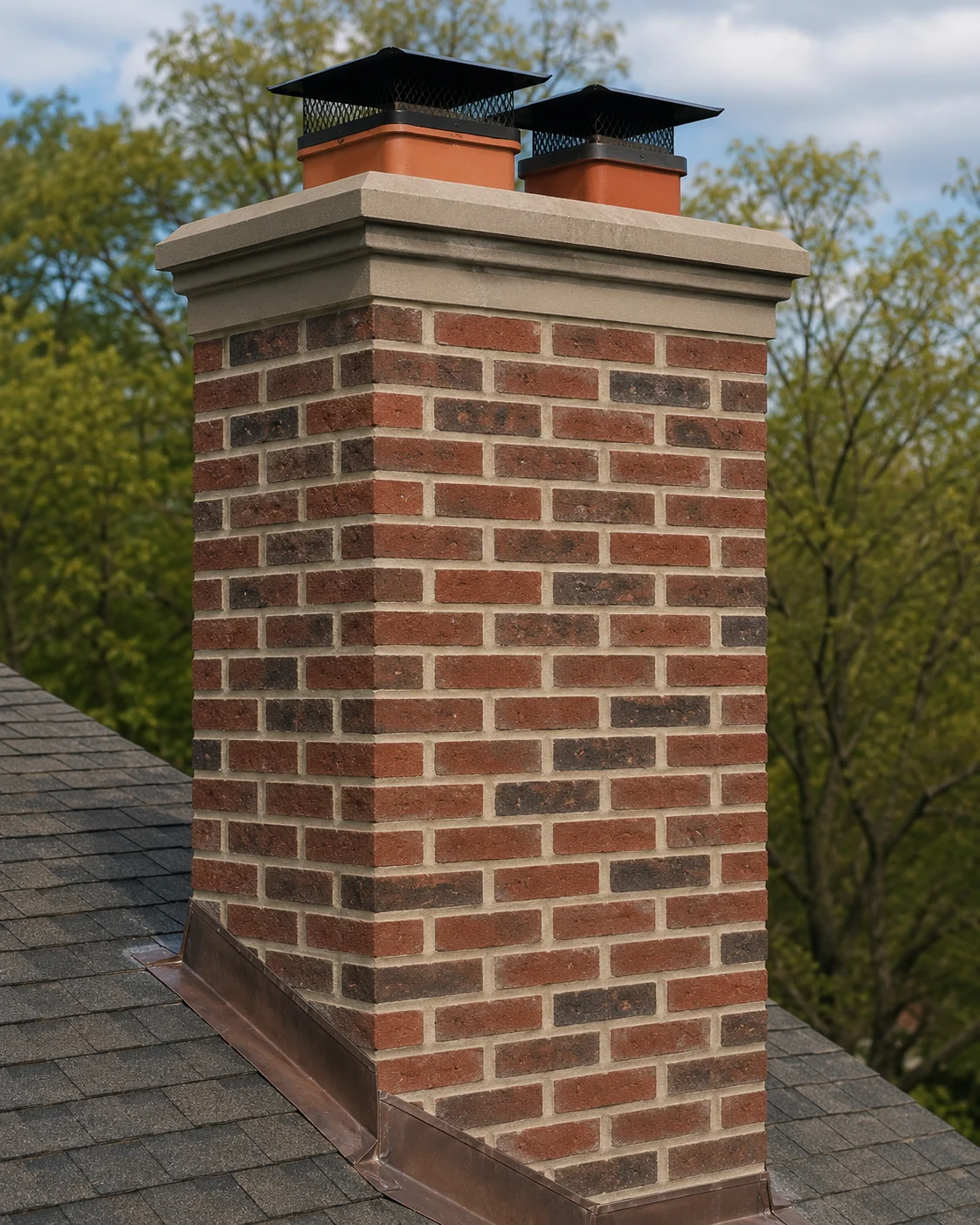
Do we pay attention to the fireplace? Of course, we do! The fire in the fireplace is beautiful, warm and creates an atmosphere of comfort. But in order to maintain it, you have to take a step back and remember that the fireplace is connected to the chimney. Paying attention to missing mortar on the outside of the home, while keeping a keen eye open for water stains or the feeling of humid or windy drafts, is important. It may require you to think about chimney tuckpointing.
What exactly is chimney tuckpointing?
You might find many different ways that chimney tuckpointing is talked about. Some call it fireplace repair, chimney flue repair, or repointing. However it is said, it all means the same thing: chimney tuckpointing. Chimney tuckpointing is the process of removing old, deteriorated mortar from the joints between your bricks or stones and replace it with fresh mortar. It seems like a relatively easy process when you watch a mason in action.
Now, once the new mortar is packed into the joints, it gets “tooled”, meaning it’s shaped and smoothed to match (or as close as possible) the original texture and color of your existing masonry. When the work is done right, the result is a strong, water-resistant joint that blends in with the current structure.
Why It Matters
Chimney tuckpointing does more than make the chimney look perfect. It works to restore the structural integrity, stops water from getting in, and extends the overall life of the chimney.
What does deteriorated mortar actually cause?
When the mortar joints between the bricks or stone start to fail, your chimney grows weaker over time. It simply cannot do its job. What happens when the problems start? It may not even be noticeable, but it does grow over time. undetectable, but it gets worse over time. Crumbling brickwork and mortar create gaps that lets in cold air, water, and even insects. But as we all know, water is the real problem as it can create extensive damage.
When water seeps into porous bricks and stones, and then freezes, it forces the brick to spall. Spalling is when chunks of brick or stone break off and fall away. Once that happens, the brick is no longer structurally useful. It no longer can support the masonry above and below it, and the chimney becomes structurally compromised.
Now let’s add water into the picture. Moisture and water can also weaken the mortar that’s still in place. When water gets in between the bricks, it loosens the mortar and it begins to deteriorate and eventually, it falls out from in between the bricks. Chimney tuckpointing breaks that cycle before it spirals out of control, and the chimney repairs move to the need for rebuilding the chimney.
How Do You Know You Need Chimney Tuckpointing Done?
This post first appeared on https://www.superiorchimney.net
