What to Do about Mold in Your Chimney
Under the right conditions, chimney flues can be ideal places to harbor mold growth. Mold thrives in dark, poorly vented and damp areas. Your chimney is already dark and poorly vented (compared with an open room in your home, for example). Add moisture from a leak somewhere in the chimney system, and the stage is set for mold growth, requiring a professional chimney sweep.
Over the last several decades, a lot of information has been released outlining the harmful effects that certain types of mold can have on people. Symptoms observed after mold inhalation have included sore throat, allergic reactions, and persistent cough and lung infections. In some cases, mold has been a contributing factor in deaths.
Preventing mold growth in your chimney
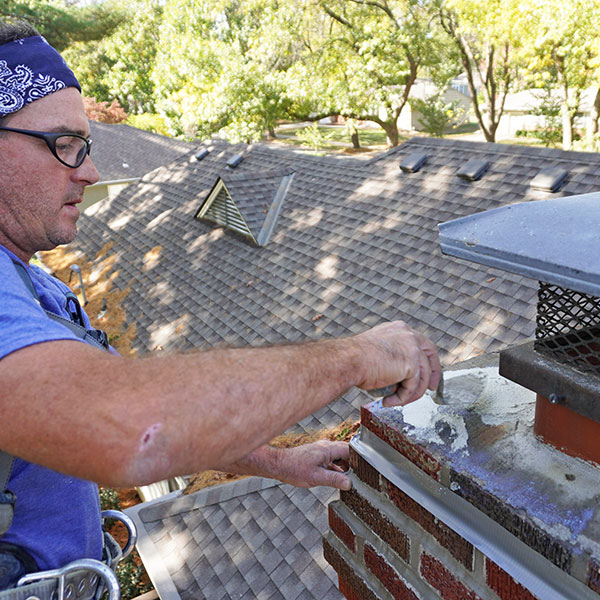 While no action you can take will guarantee there will never be any mold in your chimney, there are several things you can do to reduce the chances of a serious outbreak. The key to mold prevention is keeping water and moisture out of your flue.
Water can get into chimney structures in these four primary ways:
- Through the top of the flue openings if there’s no chimney cap: Rain and snow have an open path into the flue when a chimney cap isn’t there to serve as a block. If your chimney has no cap or the one you have is damaged, address this issue immediately.
- Through cracks in the chimney crown: Concrete chimney crowns can crack over the years, eventually allowing in enough water to create an ongoing cycle of water intrusion. Any area below the crown, which covers the top of your chimney minus the flue pipe, is susceptible to mold growth when moisture is present.
- Through warped or missing chimney flashing: Flashing seals off the gap between the roof and the exterior chimney. When flashing is damaged (or missing), water can run down into the home, affecting the masonry below the roof and building materials of the home. These areas can harbor large outbreaks of mold.
- Through cracks in the bricks and mortar: Chimney masonry can be cracked and otherwise damaged by weather events, earthquakes, house-settling and old age. Inferior bricks and mortar used to build the chimney will crack and decay sooner than expected. Water coming through these openings can easily contribute to the growth of mold.
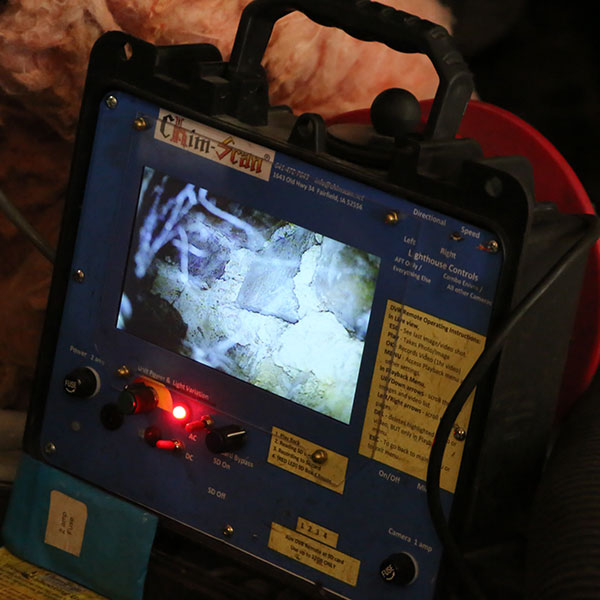 Inspecting a chimney for mold
Chimney repair companies and most chimney sweeps offer licensed chimney inspections that will detect the presence of mold. This is the only way you can know for sure if there’s mold in your chimney flue and how much is present.
Along with mold detection, a proper chimney inspection will determine the source of any chimney leaks and recommend the correct way to resolve these problems.
Professional chimney sweeps have the tools and training to safely remove mold from your chimney. They’ll also remove flammable creosote (which could lead to a chimney fire) and any outside debris that may have entered the flue and could cause drafting problems.
If it’s been more than a year since your last chimney inspection and cleaning, now is a good time to schedule this service. Annual inspections and chimney sweeping are two excellent ways to keep your chimney free of excess mold spores and to ensure that it operates safely and efficiently all winter long.
Fluesbrothers Chimney & Fireplace of Kansas City, KS, provides full-service chimney mold inspections, CSIA-certified chimney cleaning and all repair work throughout your chimney/fireplace system. Speak with an expert today at (913) 236-7141.
The post What to Do about Mold in Your Chimney appeared first on Fluesbrothers Chimney Service.

 Place a Decoy on or Near the Chimney
 Water + chimneys = bad recipe
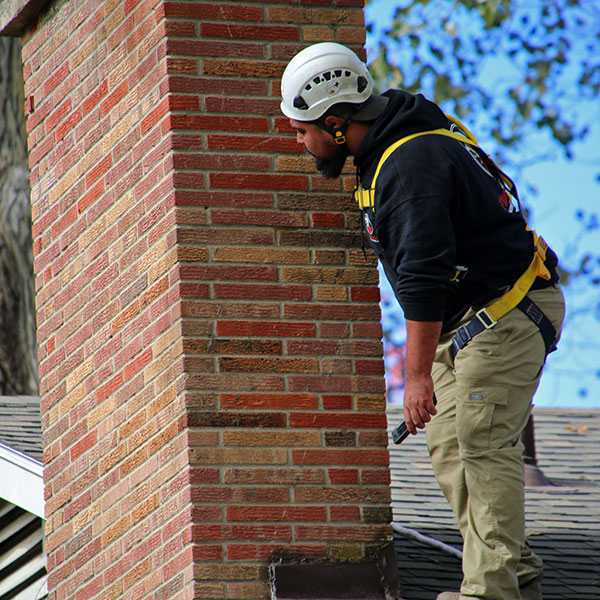 Annual chimney inspections
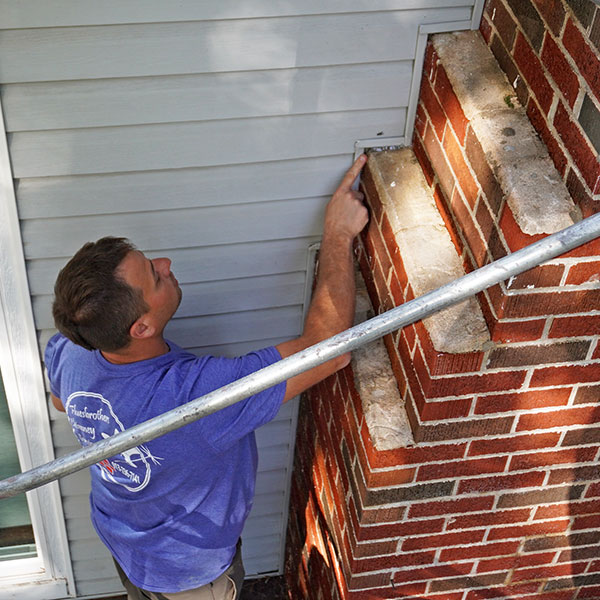 Many homes in the Kansas City area have masonry chimneys built with corbeled brick, and homeowners may need to
 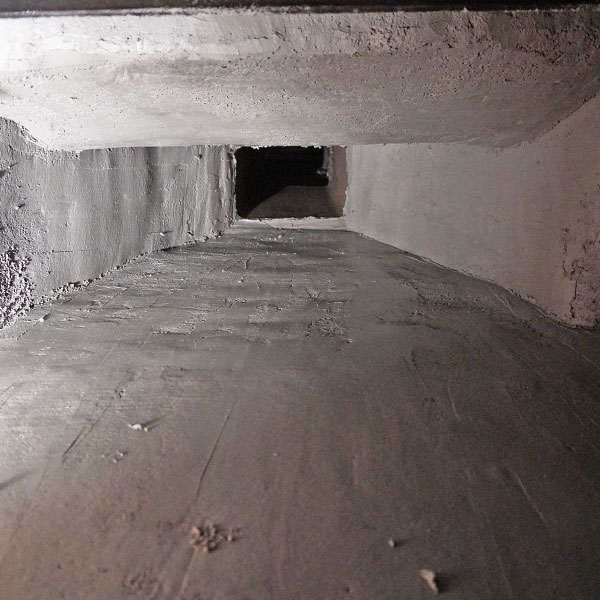 Parging is the process of smoothing the jagged edges and repairing any masonry damage like cracks or gaps in the brick and mortar. We use Heatshield® to make smoke chamber repairs because the cerfractory sealant increases the chimney’s integrity while resisting moisture, corrosive gases, and the extreme temperatures of the smoke chamber. It is UL listed and tested to ASTM C-199 and can withstand temperatures of over 2,500°F. A smooth smoke chamber surface reduces the build-up of creosote and soot deposits in the smoke chamber and reduces fire risk. It also improves the airflow efficiency in the chimney, making it easier for smoke and dangerous gases to vent out of the home.