As we move into the winter months and the season of thankfulness, we want to express how grateful we are to you, our customers, and colleagues. Our wish is for you to enjoy your time, friends, and family and feel warm and safe in the comfort of your home.
We are also pleased to announce that we have hired Reggie King, former owner of King and Son Masonry. Having Reggie join, our company expands our expertise in the masonry division and our services to you, including basement brick and stone repairs. Our expertise includes chimney maintenance, fireplace restoration, basement repair, and venting. Check out our full list other residential and commercial chimney and basement services on our website.
We are also very existed to announce that come January, we will begin offering building outdoor fireplaces and firepits! Your outdoor patio can be an extension of gathering space year-round. Give us a call and queue up smores for some winter outdoor fun.
Our intention in these newsletters is to help you remain educated consumers and to understand the latest offerings pertaining to chimneys and basements and our services. An educated consumer is our best customer. Please read this list of terms and updates:
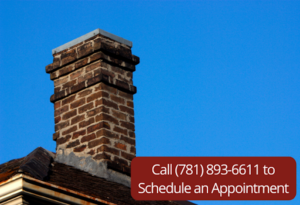
Chimneys are the highest point on our home or business property and are needed to push flue gases and smoke away from the building. However, that also means they are more exposed to the elements and will get hit the hardest by the weather. While they are designed to take a beating from mother nature, they do not last forever. Traditional chimneys are built from mortar, brick, and similar materials that can deteriorate over time. The damage will start at the cap and work its way downwards, so chances are if the upper part of your chimney is worsening, the lower half may be as well.
Repair
Rebuild
When the mortar AND brick have crumbled, a chimney rebuild is needed. Our chimney rebuilds include tearing down the existing structure and debris disposal of the old, decayed brick. The chimney will then be built up using new brick and mortar and finished with crown/wash. Brick color, mortar color, and decorative corbel style options can all be discussed to give your chimney a fresh new designer look.
Pointing
When a chimney starts to deteriorate, but the bricks still appear to be in good shape, chimney pointing may be your solution. Pointing is when the mortar joints between the bricks are partially ground out and filled back in with new mortar. The mortar in between the bricks can become soft and crumbly even though the bricks are still intact. Removing the old mortar and replacing it can add new life to the chimney, stop water leaks and save thousands in rebuilding costs. After your chimney has been re-pointed, consider waterproofing to protect your investment.
Skim Coat
Skim coating is a great way to make chimneys and basement walls strong again. Skim coat is a thin layer of polymer-modified Portland based blend also known as fiberglass surface bonding cement. You can do a skim coat to smooth out damaged load and non-load bearing walls, patio walls and retaining walls.
Cement Crown rebuilding (partial or complete teardown and rebuilding)
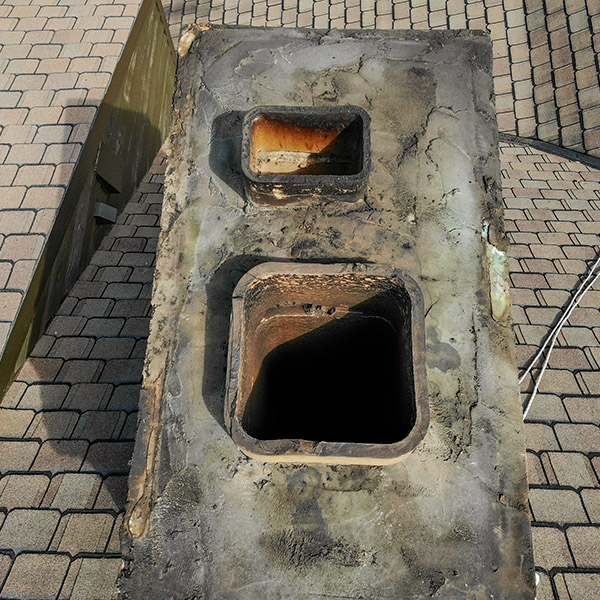
Cement chimney crowns are built to form a protective layer over the top of the chimney (minus the flue opening) can become cracked and eventually fall apart. Our chimney rebuilding team will reconstruct your deteriorated crown to prevent further system damage and water leaks.
Liners
A chimney liner is, in fact, a lining that goes in the flue of the chimney. The flue is a tunnel or passageway located within the chimney structure. A flue lining is made of clay, ceramic, or metal conduit. It is intended to contain the burning products and direct them to the outside atmosphere while protecting the chimney walls from heat and corrosion (similar to exhaust for a car).
Caps
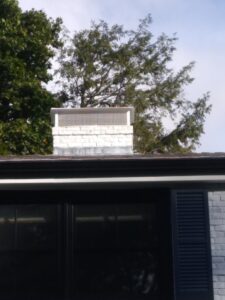
A Chimney Cap sits on top of the chimney and has several functions. The first is to keep debris, leaves, branches, and most animals from entering the chimney, potentially causing the flue to become blocked. A blocked chimney will keep by-products of combustion from properly exiting the flue and, should they enter the home, can be harmful.
Chimney caps can also significantly reduce the amount of rain that enters the chimney through the peak. Therefore, slow down the rate of deterioration compared to a chimney unsheltered to water.
A chimney cap also acts like a spark arrestor helping keep sparks from leaving your chimney and ending up on your roof.
A well-made and properly sized chimney cap gives a great finish to your chimney and adds beauty to your home.
Updates
Gas Inserts and Gas Log Sets
Gas fireplaces are making a major comeback. Let’s consider a fire that needs no tending, requires minimal cleanup, and provides heat for your home. That’s what you get with today’s gas fireplaces. Modern versions are very realistic. They have glowing red embers and tall orange-yellow flames that dance and flicker around ceramic-fiber logs molded from the real thing.
Gas inserts are fuel-efficient
Both gas insert and gas logs burn natural gas or liquid propane depending on the source which is available in your home. Gas inserts are installed using a sealed system with a glass door on the front of the fireplace, sealing up cold air from drafting into your home and allowing the fireplace to burn more efficiently. Because of the sealed system, your gas insert will burn at about 70% fuel efficiency – compared to only 10 to 20% of a traditional wood burning fireplace.
Wood Stoves
A wood-burning stove is a heating appliance capable of burning wood fuel and wood-derived biomass fuel, such as sawdust bricks. Generally, the appliance consists of a solid metal closed firebox, often lined by fire brick, and one or more air controls. We can install one almost anywhere.
Stone Veneer
Many people choose stone veneer installation and stone veneer siding for their residential and commercial projects. Stone veneer siding is known to be highly preferred.
Stone veneer is a very easy material to use, and it can cover any other material. Using stone veneer can add a lot of beauty and value to the environment of your property.
Basements
Most people assume that the most important part of their home is the roof. While your roof is very important, it’s not the only one that keeps you safe. The basement is the foundation to any home, and it’s inevitable that this area will decay over time. Most basements house the home utilities; heating and hot water equipment, breaker panel, washer and dryer. These appliances are costly to replace and need to be protected from drafts, rodents and moisture. Stopping leaks and cracks before they become costly structural issues is important to prolonging the life to your foundation.
Pointing of Motar Joints
Mortar joints are the spaces between bricks, concrete blocks, or stone filled with mortar or grout. Mortar joints can be finished in a variety of different techniques, but the most common ones are raked, concave, V, struck, flush, weathered, and beaded.
In order to produce a mortar joint, the mason must use one of several types of jointers (slickers), rakes, or beaders. These tools are run through the grout between the building material before the grout is cured to create the desired outcome.
Stone Foundation Pointing
Pointing of stone foundations is a unique service we now offer, and the type of repair is contingent on many factors. Similar to brick, the mortar in-between the stone is usually the first to decay. Grinding out and filling back in will re-secure these weak points.
Seal Gaps
When the weather starts getting cold, rodents will seek shelter through gaps and openings in the basement. In the US alone, it is estimated that rodents cause about 20 billion of damage to homes and business annually. They will chew on just about anything, wood, paper, cloth, books, electrical, etc. Being proactive is key because you likely won’t know right away that you have rodent occupancy and may not notice until the damage is done.
Now is the time to check the chimney and basement for signs of wear and tear or damage by storms and high winds.
We offer chimney and basement inspections and invite you to schedule here!
Happy Thanksgiving!
The post From Top to Bottom; The Importance of Your Chimney appeared first on Boston's Best Chimney.
 When To Get a Chimney Inspection
 What is a CSIA Certified Chimney Sweep
 The Best Materials for Chimney Caps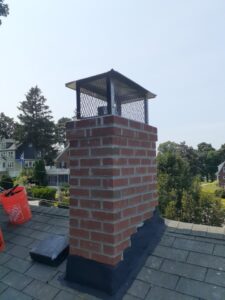
 Check the firebox
 Schedule a chimney inspection
 Fire Prevention
 Improve Heating Efficiency
 When to Have Your Chimney Inspected